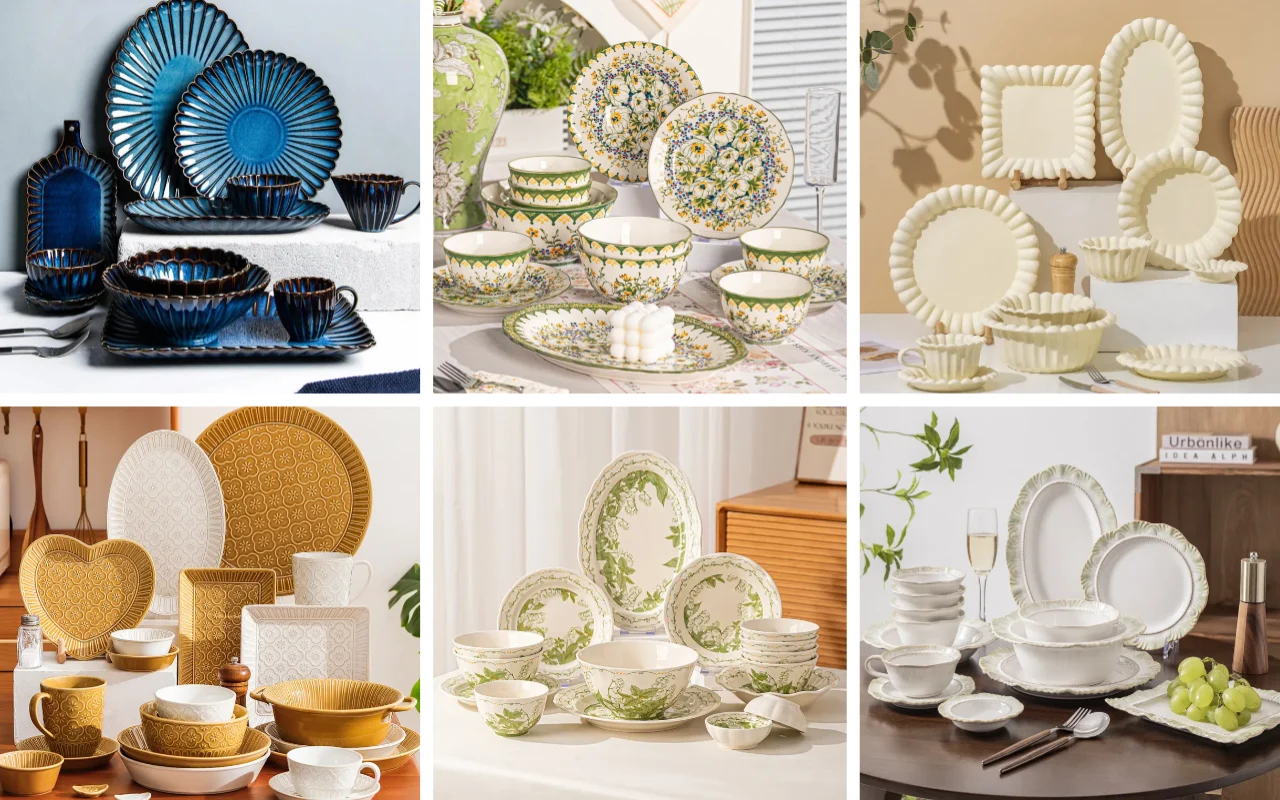
في عام 2026، يولي المشترون بالجملة أولوية متزايدة لأواني الطعام الخزفية التي تتميز بتصميمات مميزة وهوية تجارية قوية. وتشمل الاتجاهات الرئيسية الأشكال العضوية، وتأثيرات الطلاء التفاعلي، والملمس ثلاثي الأبعاد، والأنماط النباتية والزهرية، والتصاميم ثنائية اللون. ولا تقتصر هذه الأنماط على الارتقاء بتجربة تناول الطعام فحسب، بل تساعد أيضًا المطاعم والعلامات التجارية التجزئية على تكوين مجموعات منتجات فريدة.
مع سعي المطاعم والفنادق والعلامات التجارية للبيع بالتجزئة باستمرار إلى تحسين تجربة المستهلك، تطورت أدوات المائدة من مجرد أدوات يومية عادية إلى عنصر أساسي في التعبير البصري عن العلامة التجارية. وبالنسبة للمشترين بالجملة، فإن اختيار المنتجات التي تتوافق مع هذه اتجاهات أواني المائدة الخزفية يزيد من جاذبية المنتج على الرفوف ويلبي رغبة المستهلك النهائي في الاستمتاع بتجارب طعام مخصصة.
كمحترف مورد أدوات المائدة الخزفية, يونغجيان تراقب عن كثب التغيرات في الأسواق العالمية، وتطور مجموعات من أواني الطعام الخزفية التي تجمع بين الجاذبية الجمالية والقيمة التجارية لشركات خدمات الطعام والعلامات التجارية في قطاع التجزئة والمستوردين.
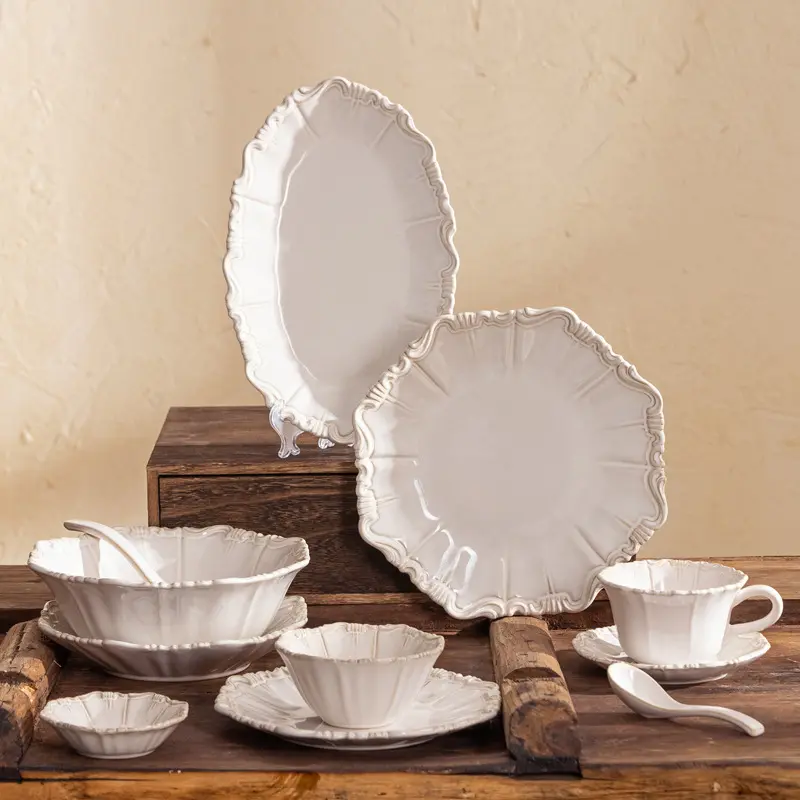
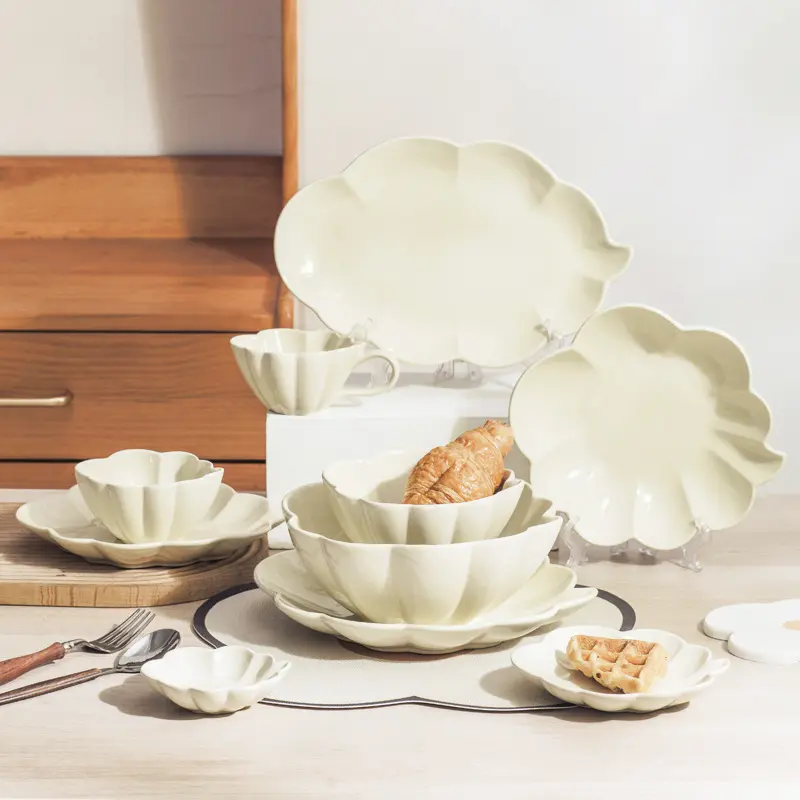
1. أطقم أواني الطعام ذات الأشكال العضوية: خلق تجارب طعام فريدة من نوعها
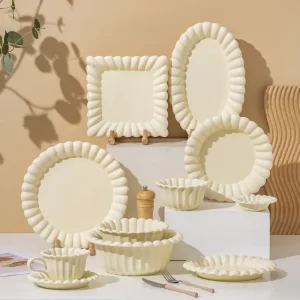
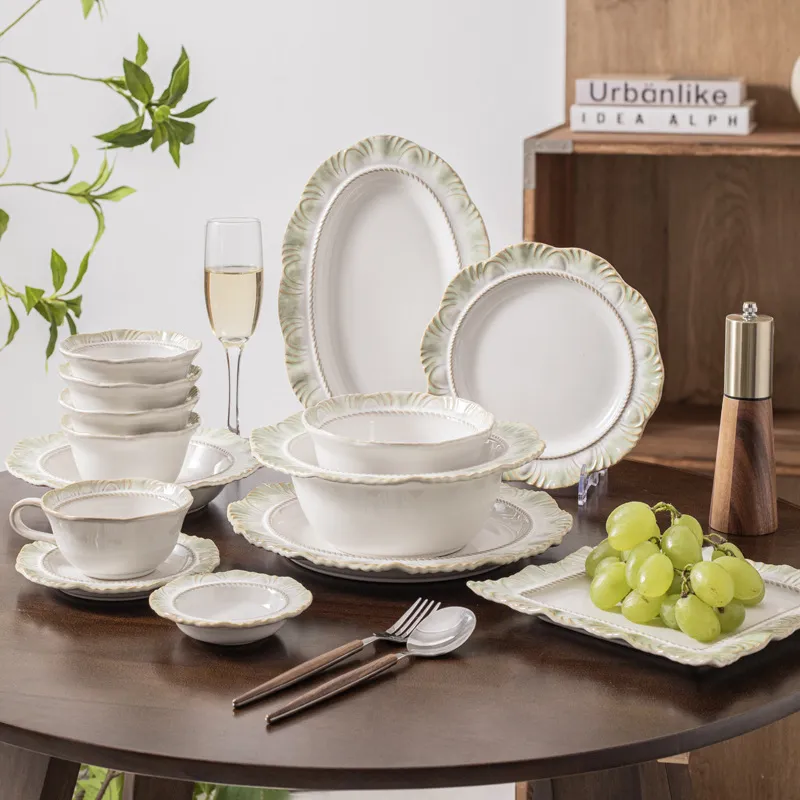
في السنوات الأخيرة، بدأت الأطباق الدائرية التقليدية تفسح المجال بشكل متزايد لتصاميم أكثر طبيعية وغير منتظمة. أواني مائدة ذات أشكال عضوية يُعد هذا اتجاهاً بارزاً في تصميم أطقم الأواني المائدة لعام 2026.
عادةً ما تتميز هذه الأنواع من أطقم الأواني بما يلي:
- حواف غير منتظمة
- خطوط انسيابية طبيعية
- جمالية الصنع اليدوي
- تعزيز التعبير الفني
بالنسبة لمشتري المطاعم، فإن أطقم الأواني ذات التصميم العضوي تضفي لمسة جمالية على طريقة تقديم الأطباق، مما يجعلها الخيار المثالي لـ:
- المطاعم الفاخرة
- المقاهي الصغيرة الفاخرة
- مطاعم الفنادق الفاخرة
بالمقارنة مع الأطباق القياسية، تكسر التصاميم العضوية الرتابة البصرية على المائدة، مما يساعد على ترك انطباع أكثر تميزًا عن العلامة التجارية لدى المستهلكين.
تتضمن سلسلة YJ-275–294 من شركة يونغجيان أشكالاً متنوعة غير منتظمة؛ وفي الوقت الذي تحافظ فيه هذه السلسلة على التناسق المطلوب للإنتاج الضخم، فإنها توفر للعملاء تصميمات أنيقة أواني الطعام الخزفية بالجملة خيارات.
2. أواني المائدة المطلية بطلاء تفاعلي: إضافة ألوان فريدة إلى مائدة الطعام
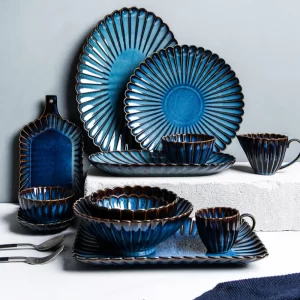
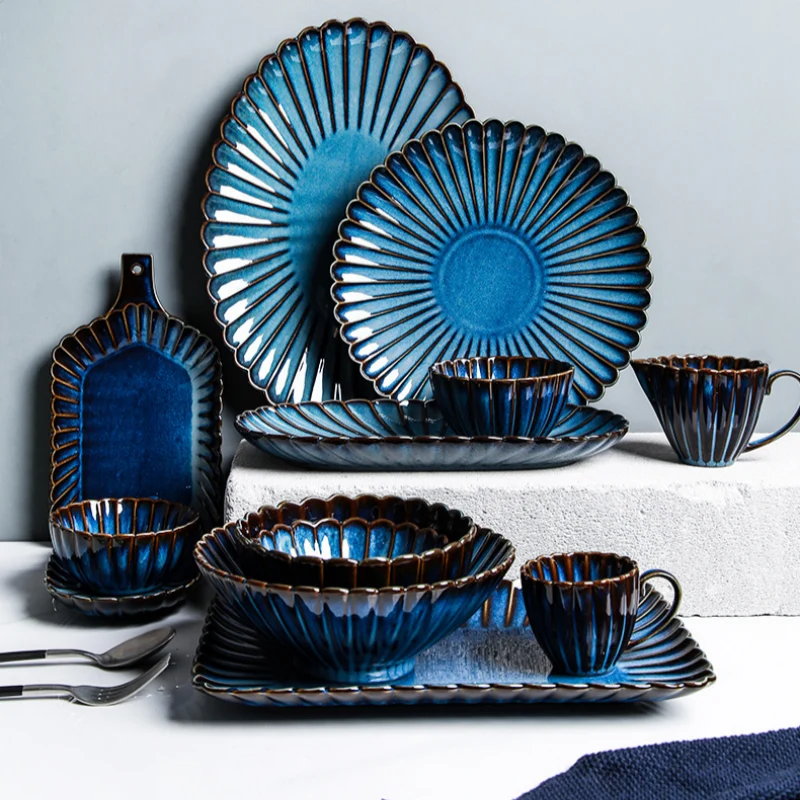
أواني مائدة مطلية بطبقة زجاجية تفاعلية لا يزال هذا النمط يحظى بإقبال كبير في سوق أواني الطعام الخزفية لعام 2026. وعلى عكس الطلاءات الزجاجية أحادية اللون التقليدية، تُحدث الطلاءات التفاعلية تأثيرات تدرج لوني طبيعية من خلال التغيرات الكيميائية التي تحدث أثناء عملية الحرق، مما ينتج عنه اختلافات طفيفة في كل قطعة.
يحظى أسلوب التصميم هذا بشعبية كبيرة بين المطاعم والعلامات التجارية في قطاع التجزئة لعدة أسباب:
- تتميز كل قطعة بجاذبية بصرية فريدة.
- وهو يعزز الجودة الفنية للخزف المصنوع يدويًّا.
- إنه مثالي لخلق أجواء فاخرة لتناول الطعام.
على سبيل المثال، تتناغم أواني المائدة المزججة بطريقة تفاعلية بألوان طبيعية — مثل الأزرق أو الأخضر أو البني — بشكل جميل مع أسطح الطاولات الخشبية والتصميمات الداخلية المستوحاة من الطبيعة.
تقدم سلسلتي «يونغجيان» YJ-76–101 وYJ-226–243 مجموعة واسعة من تصاميم الطلاء التفاعلي المناسبة لمشاريع المطاعم ومشتريات الفنادق واحتياجات العلامات التجارية المخصصة.
تجدر الإشارة إلى أن نجاح منتجات الطلاء التفاعلي بالنسبة للمشترين بالجملة لا يعتمد فقط على التصميم البصري، بل يعتمد أيضًا على قدرة المورد على ضمان اتساق الألوان ومراقبة الدُفعات.
3. أواني الطعام الخزفية المزخرفة: تصاميم منقوشة ومضلعة ومخددّة
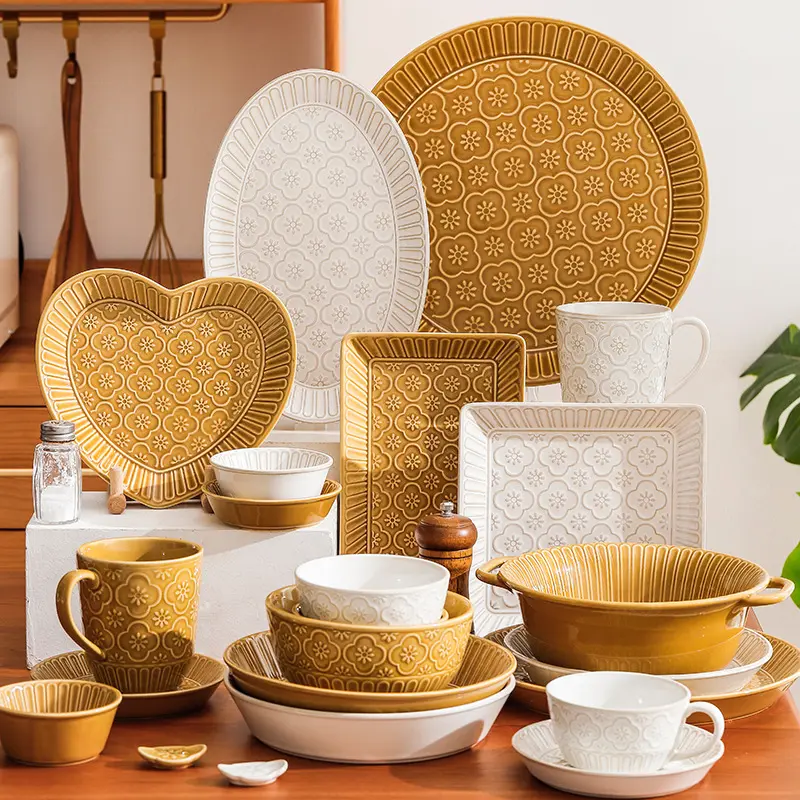
تتجه توقعات المستهلكين فيما يتعلق بتجربة تناول الطعام من الجانب البصري إلى الجانب الحسي، مما يجعل أواني مائدة خزفية ذات ملمس مميز تزداد شعبيتها.
أواني مائدة خزفية ذات ملمس مميز وتشمل بشكل أساسي:
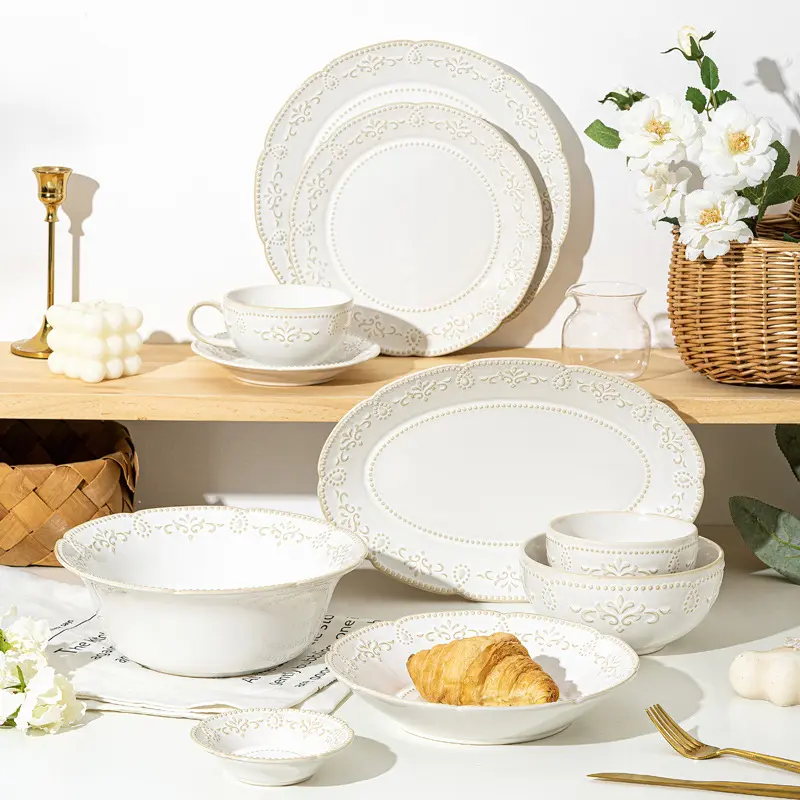
أواني مائدة خزفية منقوشة
تضفي النقوش البارزة عمقاً بفضل تصاميمها السطحية البارزة، مما يجعلها خياراً مثالياً لمجموعات أواني المائدة الراقية والمتطورة.
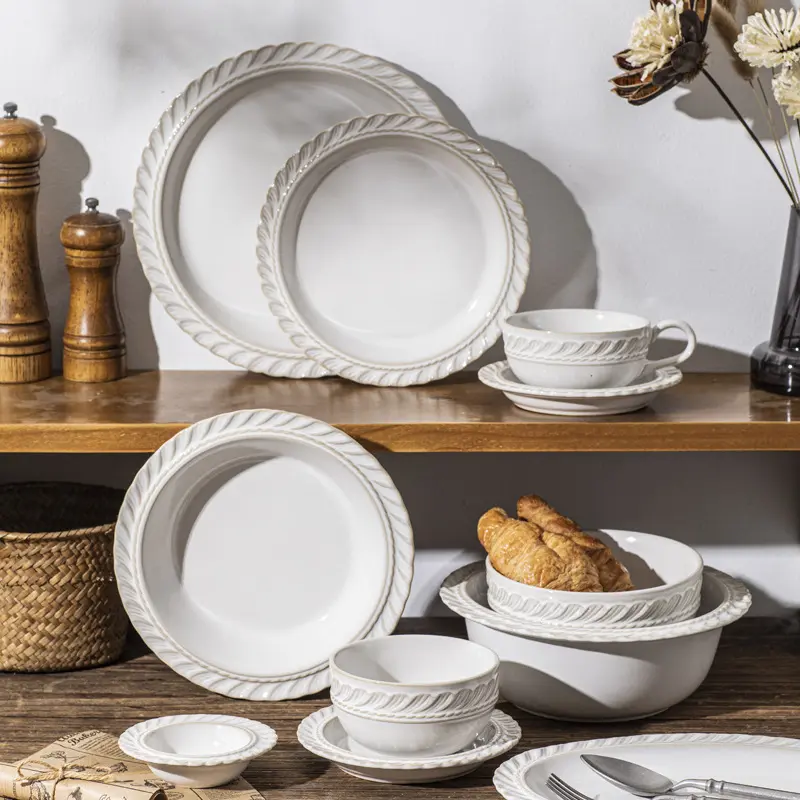
أواني طعام خزفية مخددة
تُحدث النسيجات المضلعة تأثيرًا بصريًّا إيقاعيًّا، مع تحسين الثبات عند اللمس.
أواني مائدة خزفية مخددة
تستحضر الأخاديد العمودية جماليات العمارة الحديثة، وتُستخدم بشكل متكرر في:
- المطاعم الفاخرة
- مجموعات التجزئة المنزلية
- سوق الهدايا
بالنسبة للمشترين بالجملة، لا تقتصر فائدة التصاميم المزخرفة على زيادة قيمة المنتج فحسب، بل تساعد العلامات التجارية أيضًا على التميز في سوق مزدحم ومتجانس.
تتميز سلسلة Yongjian YJ-203–274 بتصاميم متنوعة من النقوش البارزة والمضلعة والمخددّة، مما يوفر لعملاء العلامات التجارية خيارات متنوعة لتطوير المنتجات.
4. أطقم أواني الطعام المستوحاة من النباتات والأزهار: أنماط أواني المائدة المستوحاة من الطبيعة
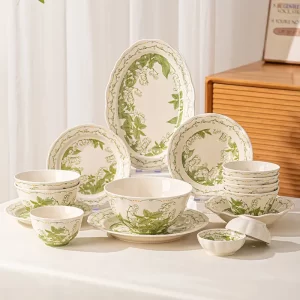
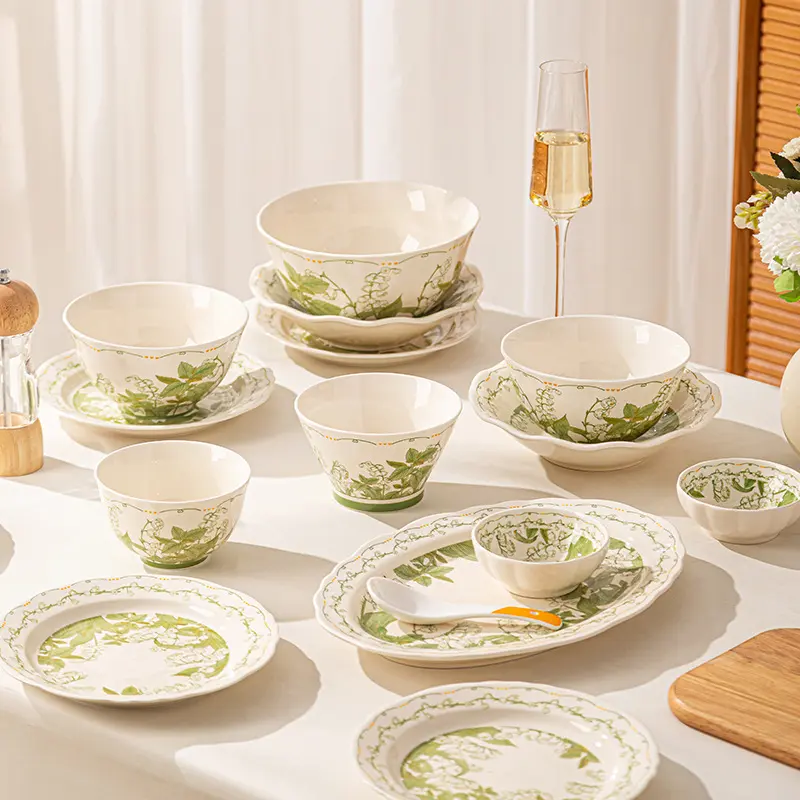
مع تزايد إقبال المستهلكين على أنماط الحياة الموجهة نحو الطبيعة، تعود العناصر النباتية والزهرية لتحتل مكانة بارزة في تصميم أطقم الأواني. أواني مائدة خزفية بزخارف نباتية تتميز عادةً بما يلي:
- الأنماط الزهرية
- رسومات تخطيطية نباتية
- أنماط أوراق الشجر
- ألوان طبيعية
تُعد هذه التصاميم مناسبة بشكل خاص لما يلي:
- المطاعم المتخصصة في تقديم وجبات الإفطار
- ماركات شاي ما بعد الظهر
- قنوات بيع التجزئة للسلع المنزلية
- مجموعات المنتجات الموسمية
تركز التصاميم النباتية الحديثة على البساطة والطابع الفاخر بدلاً من التأثيرات الزخرفية البحتة. فعلى سبيل المثال، يؤدي الجمع بين العناصر الزهرية الرقيقة وخلفية بسيطة ومتواضعة إلى جعل المنتج أكثر قابلية للتكيف مع مختلف الأذواق الجمالية في السوق.
تجمع سلسلة «يونغجيان YJ-295–312» بين الزخارف النباتية والزهرية، لتقدم للعملاء تصاميم مخصصة أدوات مائدة سيراميك حلول مناسبة لكل من سوق خدمات الأغذية وسوق التجزئة.

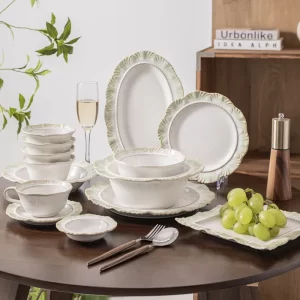
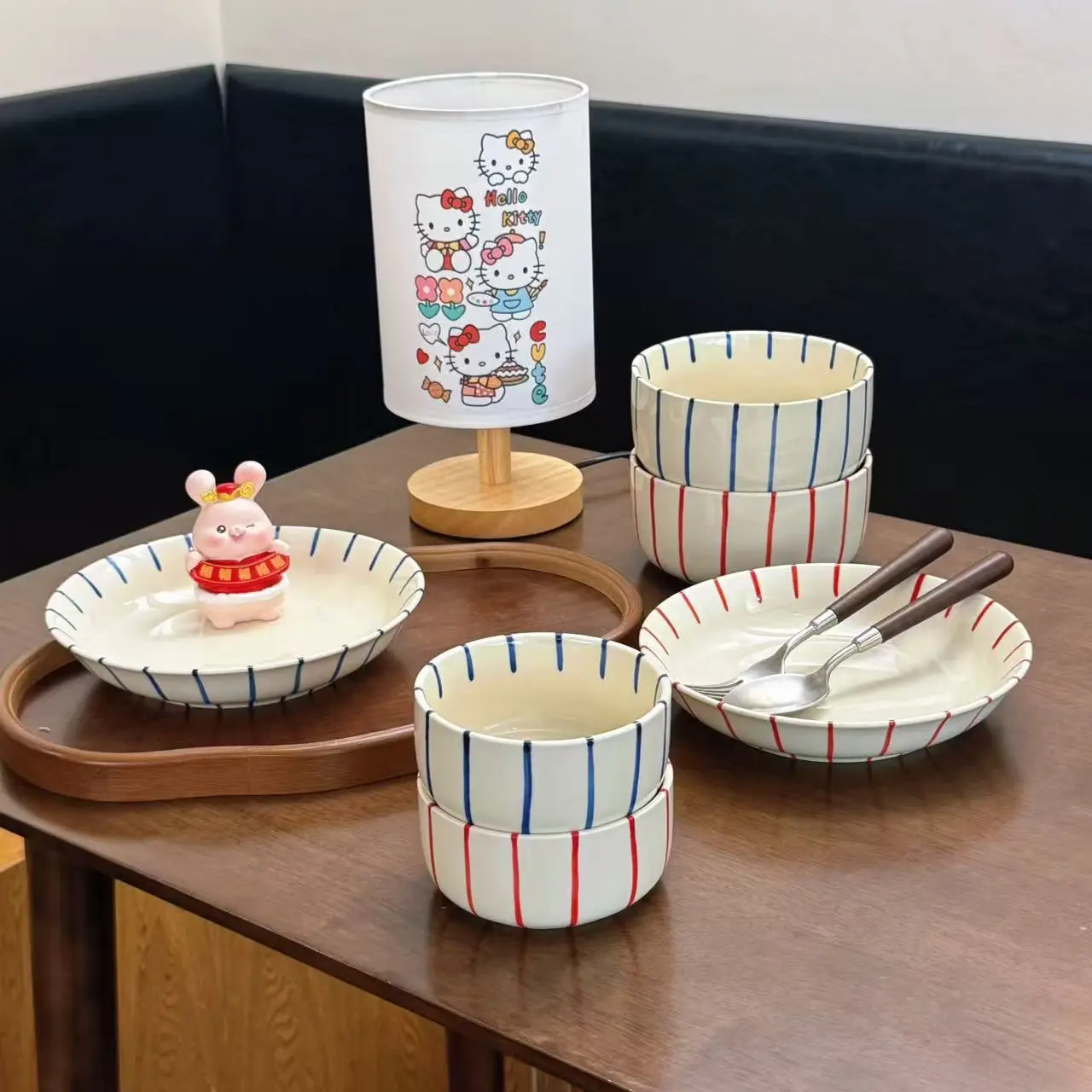
5. أطقم أواني الطعام الخزفية ثنائية اللون: إضفاء تباين لوني عصري
أصبحت أطقم الأواني الخزفية ذات اللونين استراتيجية رئيسية للعلامات التجارية التي تسعى إلى إنشاء مجموعات منتجات متناسقة.
أواني مائدة خزفية ثنائية اللون يخلق عمقًا بصريًّا من خلال تركيبات الألوان، مثل:
- تباين الألوان الداخلية والخارجية
- التباين بين لون الحافة ولون الهيكل
- مزيج من الأسطح المزججة والعناصر غير المزججة (البيسك)
تشمل مزايا أسلوب التصميم هذا ما يلي:
- تسهيل إنشاء هوية بصرية مميزة للعلامة التجارية
- تسهيل تطوير خطوط الإنتاج
- تعزيز الجاذبية البصرية لعروض المنتجات
بالنسبة للعلامات التجارية في قطاع التجزئة، تساعد التصاميم ثنائية اللون على تمييز المنتجات في سوق مشبعة بالبورسلين الأبيض التقليدي؛ أما بالنسبة للمطاعم، فيمكن اختيار مجموعات الألوان بحيث تتناسب مع أنواع معينة من المأكولات.
تقدم سلسلة Yongjian YJ-102–112 مجموعة متنوعة من تركيبات الألوان الثنائية، مما يساعد العملاء على تطوير منتجات أدوات المائدة التي تلبي الاحتياجات المحددة لأسواقهم المستهدفة.
كيف يختار مشترو الجملة أطقم الأواني الخزفية العصرية
اختيار تصميم عصري ليس سوى الخطوة الأولى؛ فعلى المشترين بالجملة أن يأخذوا في الاعتبار أيضًا ما إذا كان المنتج مناسبًا للمبيعات التجارية على المدى الطويل.
1. النظر في تحديد الموقع في السوق
تختلف متطلبات شرائح العملاء المختلفة فيما يتعلق بأدوات المائدة:
- تولي المطاعم الراقية الأولوية للتصاميم الفريدة والتجارب البصرية.
- تركز سلاسل المطاعم على استقرار الإمدادات واستدامتها.
- تركز العلامات التجارية في قطاع التجزئة على التغليف ومجموعات المنتجات والتميّز في السوق.
لذلك، ينبغي على المشترين اختيار اتجاهات التصميم التي تتوافق مع قنوات البيع الخاصة بهم. —
2. تقييم قدرات المورد في مجال التخصيص
ممتاز مورد أدوات المائدة الخزفية يجب أن تقدم أكثر من مجرد المنتجات الحالية؛ بل يجب أن تتمتع أيضًا بما يلي:
- خدمات تصنيع المعدات الأصلية (OEM)
- قدرات التصميم في مجال تصنيع التصميمات الأصلية (ODM)
- تخصيص الألوان
- تطور العفن
- تخصيص التغليف حسب الطلب
بالنسبة لعملاء العلامات التجارية، غالبًا ما تحدد قدرات المورد في مجال البحث والتطوير مدى تنافسية المنتج.
3. تحقيق التوازن بين التصميم واستقرار الإنتاج
تبدو بعض التصاميم مذهلة في الصور، لكنها قد تواجه بعض التحديات أثناء الإنتاج الضخم، مثل:
- تنوعات الألوان
- صعوبات في القولبة
- انخفاض معدلات المحصول
لذلك، عند الشراء بالجملة، من الضروري مراعاة كل من الابتكار في التصميم وقدرات الإنتاج.
استنادًا إلى سنوات خبرة يونغجيان في مجال التصنيع, ، لا يجب أن يتماشى تصميم أدوات المائدة الناجح مع الصيحات فحسب، بل يجب أن يكون مناسبًا للإنتاج الضخم أيضًا — وهو عامل غالبًا ما يغفله العديد من المشترين.

الأسئلة الشائعة حول اتجاهات أطقم الأواني الخزفية
السؤال 1: ما هي أنماط أواني الطعام الخزفية التي ستحظى بشعبية في عام 2026؟
تشمل الأنماط الشائعة لأواني الطعام الخزفية لعام 2026 الأشكال العضوية، والطلاءات التفاعلية، والتشطيبات المزخرفة، والأنماط النباتية، والتصاميم ثنائية اللون. وتجمع هذه الأنماط بين الجاذبية الفنية والجدوى التجارية.
السؤال 2: هل أواني المائدة المطلية بطلاء تفاعلي مناسبة للمطاعم؟
نعم. تضفي أواني المائدة المطلية بالطلاء التفاعلي لمسة جمالية فريدة على المائدة، مما يجعلها خيارًا مثاليًّا للمطاعم التي تسعى إلى الارتقاء بتجربة تناول الطعام وتعزيز صورة علامتها التجارية. ومع ذلك، من المهم الشراء من موردين يتمتعون بقدرات إنتاجية مستقرة.
السؤال 3: هل يمكن لموردي أواني الطعام الخزفية تقديم تصاميم مخصصة؟
عادةً ما يقدم موردو السيراميك المحترفون خدمات تصنيع المعدات الأصلية (OEM) وتصميم وتصنيع المنتجات (ODM)، والتي تشمل كل شيء بدءًا من اللون والشكل والنقش والتغليف وصولاً إلى تطوير مجموعات كاملة من المنتجات.
السؤال 4: كيف أختار موردًا موثوقًا لأدوات المائدة الخزفية؟
ينبغي على المشترين تقييم خبرة المورد في مجال التصنيع، وأنظمة مراقبة الجودة، وقدراته على تلبية متطلبات التخصيص، وسجله في مجال التصدير، وقدرته على ضمان إمدادات مستقرة وطويلة الأجل.
تعاون مع شركة «يونغجيان» للحصول على حلول لأواني الطعام الخزفية التي تتماشى مع أحدث الاتجاهات
سيراميك يونغجيان هي شركة تصنيع متخصصة تتمتع بسنوات من الخبرة في إنتاج أدوات المائدة الخزفية، وتكرس جهودها لتوفير أواني مائدة خزفية عالية الجودة إلى المطاعم والفنادق والعلامات التجارية للتجزئة والمستوردين في جميع أنحاء العالم. بدءًا من مجموعات الأواني المزججة التفاعلية وأدوات المائدة ذات الأشكال العضوية وصولاً إلى التصاميم المزخرفة والأنماط النباتية والتصاميم ثنائية اللون، تقدم «يونغجيان» خدمات التخصيص حسب الطلب/التصنيع حسب الطلب مصممة خصيصًا لتلبية متطلبات السوق، مما يساعد العلامات التجارية على إنشاء خطوط إنتاج قادرة على المنافسة.
إذا كنت تبحث عن مورد موثوق لأدوات المائدة الخزفية وإذا كنتم ترغبون في تطوير منتجات تتماشى مع اتجاهات السوق لعام 2026، يرجى الاتصال بفريق «يونغجيان» للتعاون في ابتكار الجيل القادم من المنتجات الأكثر مبيعًا لقطاعي المطاعم والتجزئة.