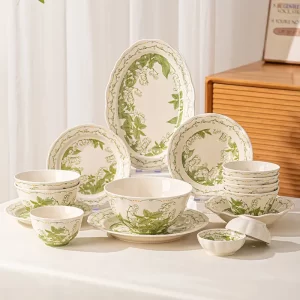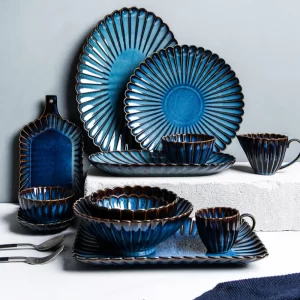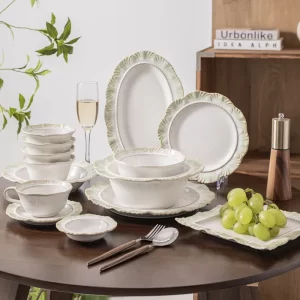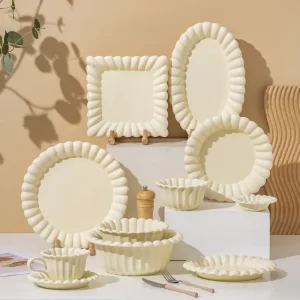
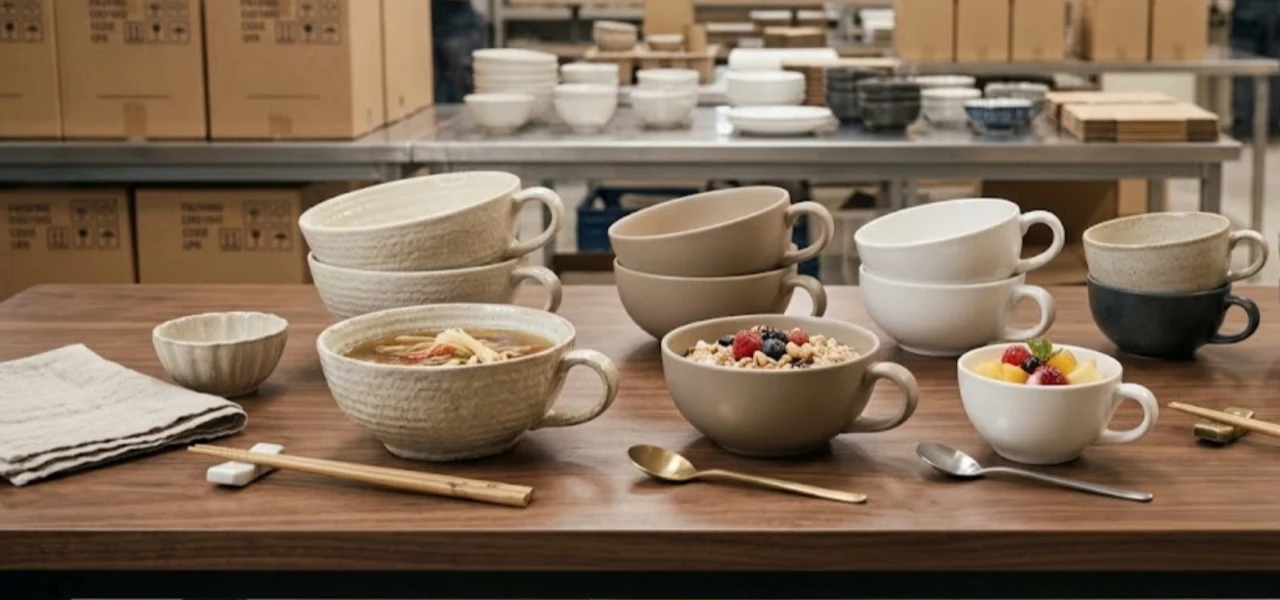
For restaurants, cafés, hotels, and tableware brands, wholesale handled ceramic bowls offer a blend of functional utility and ease of handling, making them suitable for a variety of dining contexts—from soups and oatmeal to breakfast dishes and desserts. When sourcing these products, buyers should look beyond aesthetics and focus on key factors such as capacity, handle design, stackability, packaging, and OEM capabilities.
A handled ceramic bowl is more than just a standard bowl with a handle attached. For commercial procurement, factors such as handle dimensions, attachment structure, overall weight, and shipping packaging all impact both usability and cost. Consequently, buyers should evaluate these products from the perspectives of both design and supply chain logistics.
What Are Handled Ceramic Bowls Used For?
Handled ceramic bowls have a wide range of applications, particularly in dining settings that require frequent handling or where table presentation is a priority.
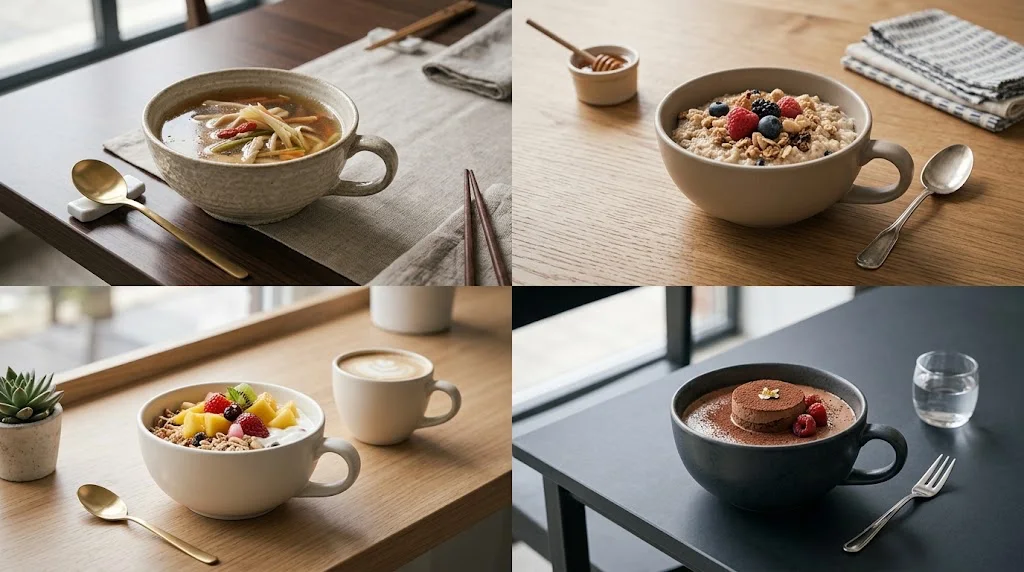
Soup
The handled design allows service staff to carry and serve certain soup dishes more easily, making them ideal for restaurants, hotel breakfast services, and casual dining environments.
Oatmeal and Breakfast
Breakfast service often requires a balance between capacity and ease of use. Handled bowls are excellent for serving oatmeal, cereals, fruit, and other breakfast items.
Café Desserts
For cafés and dessert shops, ceramic bowls with handles serve as distinctive tableware that sets them apart from standard dessert bowls. Brands can coordinate the bowl’s color and glaze finish with their store’s visual identity.
Louça de restaurante
For restaurant buyers, handled bowls can be incorporated into set menus or used for signature dishes, offering versatility beyond a single, specific use.
Why Do Restaurants Choose Ceramic Bowls with Handles?
When restaurants source wholesale handled ceramic bowls, their considerations go beyond mere styling.
Easier Serving
Handles provide an additional grip point, making it easier for staff to carry the bowls and set tables in specific service scenarios.
Safer Handling
Handles allow for a different point of contact between the user and the bowl. However, actual handling safety depends on factors such as capacity, weight, temperature, and handle design; therefore, the presence of a handle does not automatically guarantee safety in all high-temperature applications.
Premium Presentation
Compared to standard dining bowls, ceramic bowls with handles create a more distinctive look on the dining table. For branded restaurants and boutique cafés, such details can become an integral part of the overall tableware collection.
What Should Buyers Check Before Ordering Handled Ceramic Bowls?
Ao adquirir handled ceramic bowls wholesale, consider the following aspects when inspecting samples:
Handle Design
First, assess whether the handle size allows for a comfortable grip and check that the connection point between the handle and the bowl body is smooth. The design of this junction affects both visual appeal and ease of cleaning.
Bowl Capacity
Capacity must align with the specific dishes being served. A bowl that is too small limits versatility, while one that is too large may increase product weight and shipping costs.
Surface and Glaze
If the brand requires multiple SKUs, it is advisable to verify the consistency of color, gloss, and glaze finish across different production batches.
Capacidade de empilhamento
Stacking requires more careful consideration for products with handles than for standard bowls. Buyers should conduct physical tests to confirm stable stacking and ensure the stacked items do not consume excessive warehouse space.
Embalagem
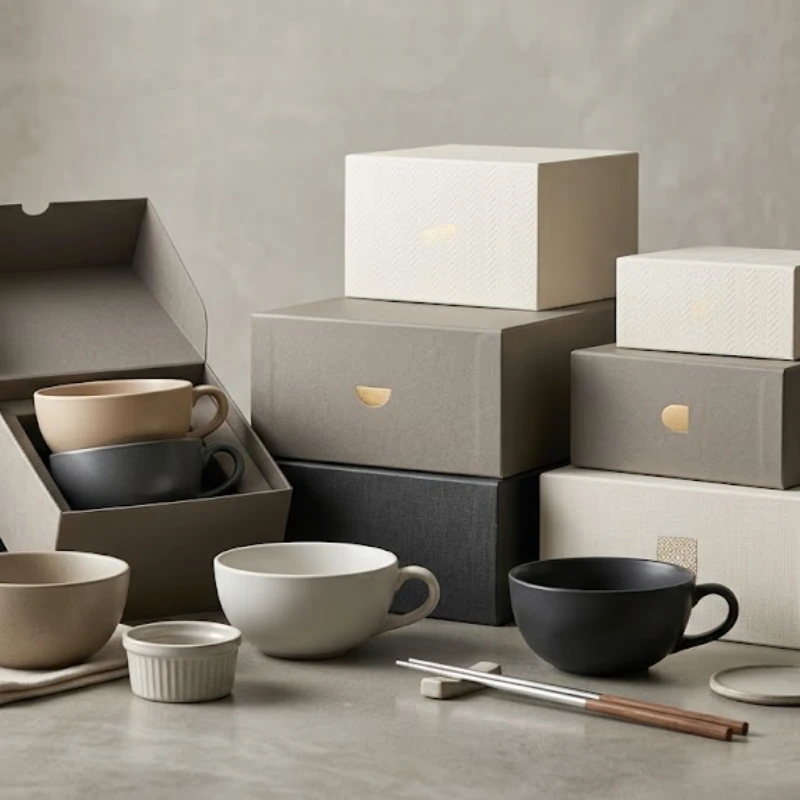
Since handles protrude from the main body, shipping packaging must be designed to protect this specific shape. For bulk orders, request the supplier’s packaging plan and conduct drop or transit tests.


How to Import Handled Ceramic Bowls in Bulk?
For wholesalers and foodservice suppliers, the process of sourcing handled ceramic bowls wholesale typically follows these steps: sample confirmation, specification confirmation, packaging confirmation, and mass production.
The first step is to define the target market and usage scenarios, including capacity, color, quantity, and sales channels.
The second step is to confirm the Minimum Order Quantity (MOQ). Established, in-stock products are usually best for initial orders, whereas custom colors, packaging, or new product development may entail different MOQs and lead times.
The third step is to confirm packaging details. Beyond individual product protection, consider outer carton dimensions, quantity per carton, and shipping efficiency.
The fourth step is to determine OEM requirements. Brands can discuss logos, packaging, or product sets based on the base product design. If the project involves new molds or extensive design development, costs, MOQs, and lead times will require separate assessment.
Handled Ceramic Bowls for Private Label Brands
For private label brands, product differentiation does not necessarily require developing a completely new bowl shape from scratch.
A more practical approach is to select established ceramic bowls with handles and build brand identity through glaze colors, product assortments, logos, and packaging. For instance, the same bowl shape can be developed into a breakfast collection, a dessert line, or a restaurant set.
This strategy helps brands reduce product development complexity while maintaining ample room for SKU variety.

FAQ About Handled Ceramic Bowls Wholesale
Are handled ceramic bowls suitable for restaurants?
They are suitable for various restaurant and café settings; however, specific suitability depends on the product design, capacity, and intended usage environment.
Can handled ceramic bowls be private labeled?
Options regarding logos, colors, packaging, and product assortments can be discussed based on the supplier’s capabilities. Specific MOQs and development terms are determined on a project-by-project basis.
What is the most important factor when buying handled ceramic bowls?
Beyond price, it is recommended to focus on handle structure, capacity, glaze stability, stackability, packaging, and bulk delivery capabilities.
Sobre a cerâmica Yongjian
Fundada em 1990, Cerâmica de Yongjian é um profissional fabricante de loiça de cerâmica that has long supplied products to clients worldwide. The company offers over 10,000 in-stock items—including bowls, plates, cups, baking dishes, and spoons—and exports to more than 100 countries.
Se está à procura de um supplier of ceramic bowls with handles—whether for foodservice supply, wholesale purchasing, or private label projects—Por favor, contacte a Yongjian Ceramics to obtain product solutions tailored to your target market and specific requirements.