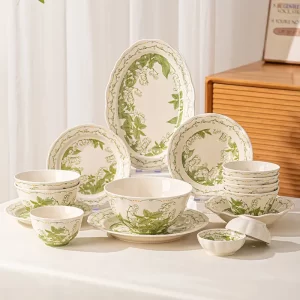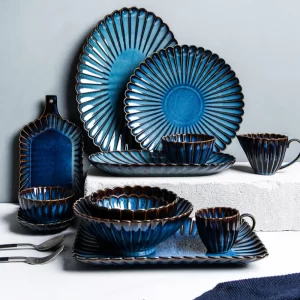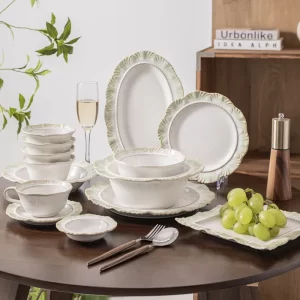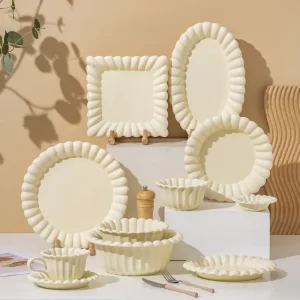

تندرج الأنماط المزخرفة والمخددّة والمضلعة جميعها ضمن فئة أواني مائدة خزفية ذات ملمس مميز, ، ومع ذلك فهي تختلف من حيث الجاذبية البصرية وموقعها في السوق: يتميز النوع «المزخرف» بأنماط بارزة، مما يجعله مناسبًا للمجموعات الزخرفية الراقية؛ ويتميز النوع «المخدد» بأخاديد عمودية منتظمة، وهو مثالي للمطاعم العصرية؛ أما النوع «المضلع» فيتميز بخطوط دقيقة متقاربة، وهو مثالي للعلامات التجارية التي تتبنى أسلوب الحياة البسيط. عند اختيار الموردين، يجب أيضًا مراعاة عوامل مثل سهولة التنظيف، وقابلية التكديس، واتساق الإنتاج، وطريقة العرض في متاجر البيع بالتجزئة.
بالنسبة للعلامات التجارية وتجار الجملة، فإن اختيار ملمس أواني الطعام الخزفية لا يقتصر على الجانب الجمالي فحسب. فالملمس يؤثر بشكل مباشر على المظهر البصري، الملمس، درجة تعقيد التصنيع، متطلبات التغليف، مستوى السعر في متاجر البيع بالتجزئة، وإمكانية توسيع المجموعة.
في السنوات الأخيرة، أبدى المستهلكون اهتمامًا متزايدًا بأدوات المائدة ثلاثية الأبعاد التي تتميز بملمس مميز، مما أدى إلى طفرة في أواني مائدة خزفية ذات ملمس مميز—التي تتميز بأنماط بارزة وأخاديد وخطوط دقيقة—المتوفرة في السوق. ومع ذلك، غالبًا ما يتم الخلط بين مصطلحات «منقوش» و«مخدد» و«مضلع».
يتناول هذا المقال هذه الأنماط من منظور خصائص التصميم، والأسواق المستهدفة، والإنتاج، والتوريد، بهدف مساعدة العلامات التجارية وتجار الجملة على تحديد أي نوع من أواني طعام من السيراميك التي تناسب خطوط منتجاتها على أفضل وجه.
المنقوش مقابل المُخدد مقابل المُضلع: مقارنة سريعة
| الأسلوب | مقال خاص | الأفضل لـ |
|---|---|---|
| منقوش | الزخارف البارزة | تجربة طعام فاخرة |
| مخدد | الأخاديد العمودية | المطاعم الحديثة |
| مضلع | الخطوط الدقيقة | العلامات التجارية ذات الطابع البسيط |
باختصار:
- منقوش: تتميز بنقوش بارزة.
- مخدد: تتميز بوجود أخاديد عمودية.
- مضلع: تتميز بخطوط دقيقة ومنتظمة.
ورغم أن هذه القطع الثلاث تندرج جميعها ضمن فئة أدوات المائدة الخزفية المزخرفة، فإن كل منها يعكس هوية مميزة لعلامتها التجارية.
ما هي أواني الطعام الخزفية المنقوشة؟
أواني طعام خزفية مزخرفة تتميز بنقوش بارزة تم إنشاؤها على سطح السيراميك من خلال عمليات القولبة أو التشكيل، مما ينتج عنه تأثير ثلاثي الأبعاد يمكن الإحساس به عن طريق اللمس.
تشمل التصاميم الشائعة ما يلي:
- الزخارف الزهرية
- أنماط الأوراق
- الزخارف الهندسية
- أنماط الدانتيل
- الأنسجة المنسوجة
- شعارات العلامات التجارية
- الحدود الزخرفية
على عكس التصاميم المطبوعة العادية، تتميز الأنماط المنقوشة ببنية مادية ثلاثية الأبعاد، مما يتيح للمستهلكين رؤية التصميم ولمسه في آن واحد.
وهذا يجعلها مناسبة بشكل خاص للمطاعم الراقية، والفنادق، وخدمات تقديم الطعام في حفلات الزفاف، والعلامات التجارية الفاخرة المتخصصة في أسلوب الحياة.
لماذا تفضل العلامات التجارية التصاميم المنقوشة؟
بالنسبة للعلامات التجارية، لا تكمن الميزة الأكبر للتنقيش بالضرورة في تعقيده، بل في قدرته على إنشاء هوية بصرية لا تُنسى.
على سبيل المثال، قد يكون من الصعب تمييز طبق عشاء أبيض عادي عن غيره من الأطباق المتوفرة في السوق؛ لكن بإضافة نقش بارز على شكل ورقة شجر، أو نمط هندسي، أو ملمس مميز للعلامة التجارية، يكتسب المنتج هوية مميزة — حتى لو بقي اللون كما هو.
طرازات YJ-203~214 من شركة يونغجيان, سلسلة 215~225 يُعد مرجعاً ممتازاً لأواني الطعام الخزفية المزخرفة.
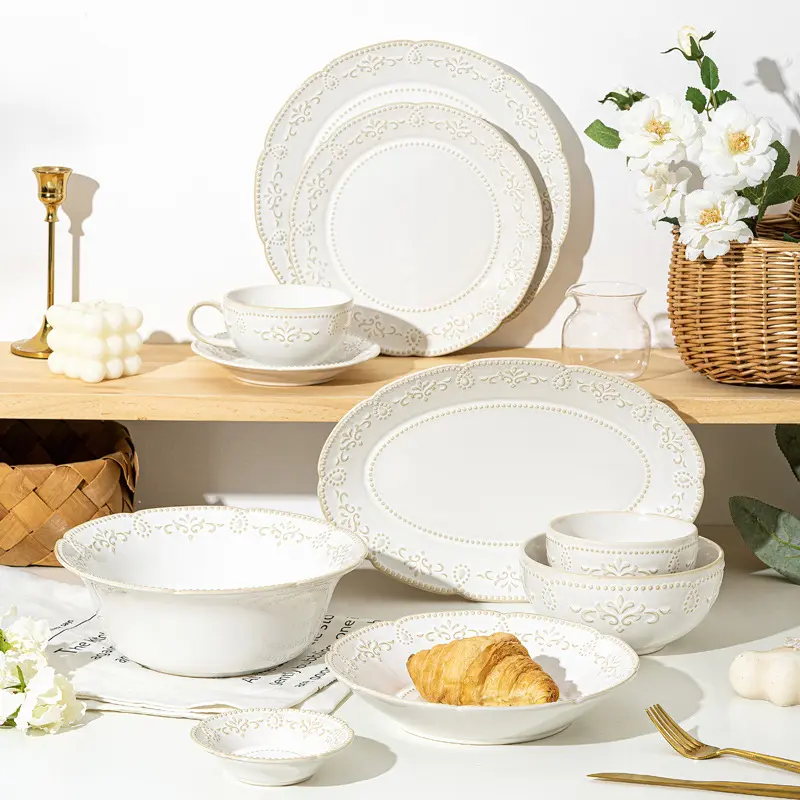
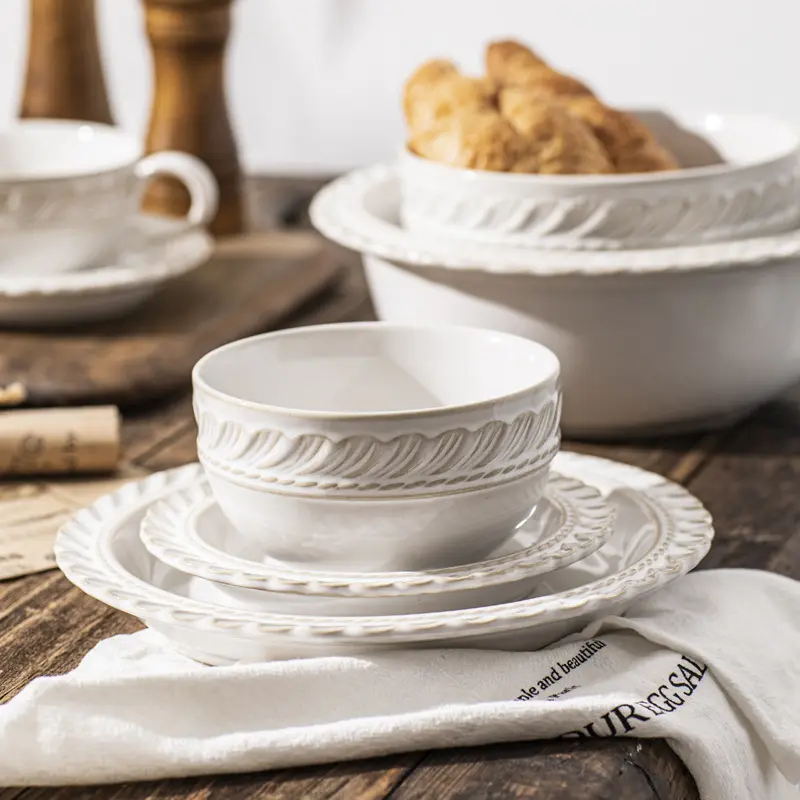
ومع ذلك، هناك نقطة غالبًا ما يتم تجاهلها ويجب أخذها في الاعتبار عند عملية التوريد: لا يعني الملمس الأكثر كثافة بالضرورة أن المنتج ذو جودة أعلى.
قد تؤدي أنماط النقش العميقة بشكل مفرط إلى صعوبة التنظيف وتسبب تفاوتًا في سماكة الجسم الخزفي، مما يعقّد عملية مراقبة الإنتاج. وتُظهر الخبرة في هذا المجال أن التصاميم المعقدة ذات النقوش العميقة تتطلب مراقبة صارمة لعمق القالب وكثافة الجسم الخزفي ومقدار الانكماش أثناء التجفيف والحرق؛ وإلا فإن النسيج يصبح عرضة للتشوه أو التمويه.
رؤية يونغجيان في مجال التوريد:
بالنسبة للعلامات التجارية في قطاع التجزئة، غالبًا ما يكون من الأفضل إعطاء الأولوية لمزيج من العوامل التالية، بدلاً من الاكتفاء بمجرد السعي وراء “تخفيضات كبيرة”، عمق ملمس معتدل وتأثيرات طلاء زجاجي عالية التباين. ويحافظ هذا النهج على الجاذبية ثلاثية الأبعاد، مع تسهيل تحقيق التوازن بين سهولة التنظيف وإمكانية التكديس والاتساق في الإنتاج الضخم.
ما هي الأطباق الخزفية المخددة؟
أطباق خزفية مخددة تتميز بوجود أخاديد أو قنوات منتظمة ومتصلة، تُرتب عادةً بشكل عمودي على طول حافة الصفيحة أو جسمها الرئيسي.
الفرق الرئيسي بين التصاميم المخددة والتصاميم المنقوشة هو:
تبرز التصاميم المنقوشة نمط, ، في حين أن التصاميم المخددة تبرز الهيكل. عادةً ما تتجنب التصاميم المخددة الأنماط الزهرية المعقدة أو الزخرفية، وتعتمد بدلاً من ذلك على أخاديد خطية متكررة لخلق تفاعل بين الضوء والظل.
يُعد أسلوب التصميم هذا مناسبًا بشكل خاص لـ:
- المطاعم الحديثة
- المقاهي المعاصرة
- الفنادق البوتيكية
- العلامات التجارية الحديثة للأدوات المنزلية
- مجموعات طاولات الطعام ذات التصميم البسيط
سلسلة YJ-250~260 من شركة يونغجيان يُعد مثالاً بارزاً على أطقم الأواني الخزفية المُخددّة.
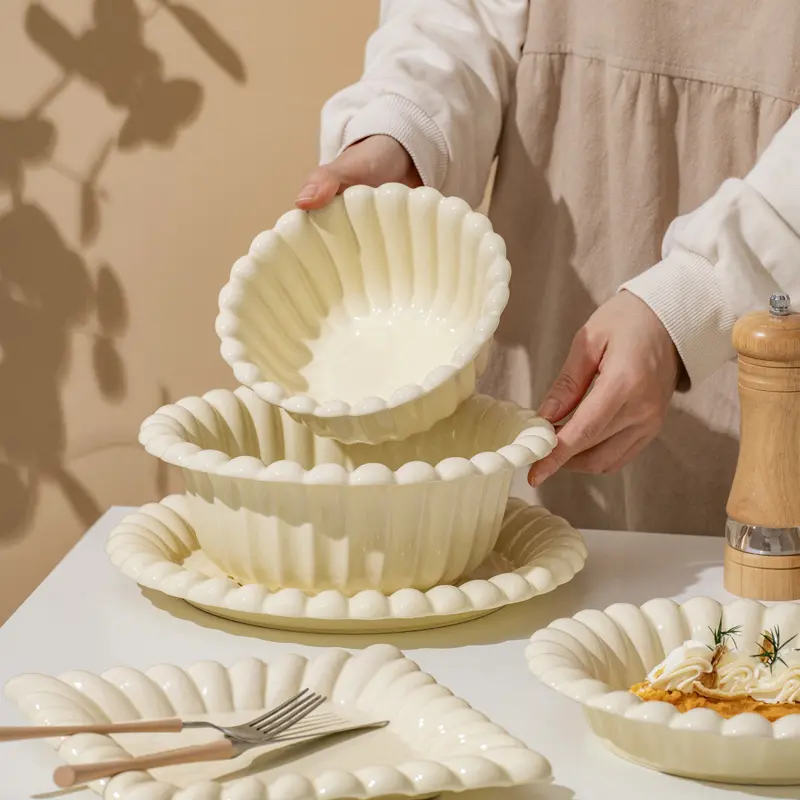
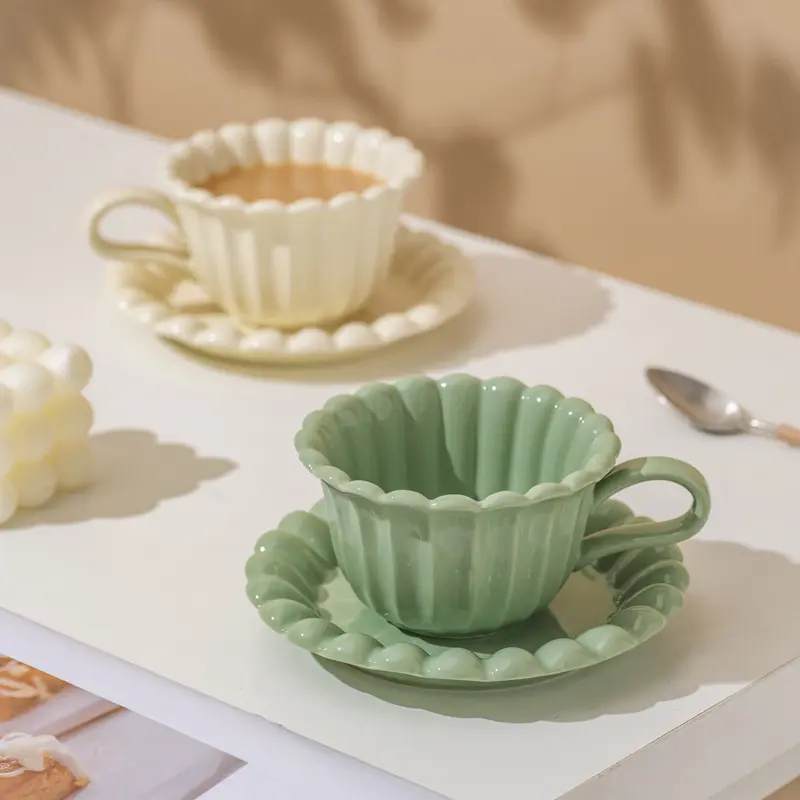
لماذا يُعد التصميم المُخدد مثاليًّا لقطاع خدمات الطعام؟
بالنسبة لمشتريي المطاعم، لا يجب أن تبدو أدوات المائدة جذابة فحسب، بل يجب أن تتناسب أيضًا مع مجموعة واسعة من الأطباق.
لا تتنافس الخطوط العمودية في التصميم «المخدد» على جذب الانتباه البصري بالطريقة التي قد تفعلها الأنماط البارزة المعقدة؛ بل إنها، بدلاً من ذلك، تبرز ملامح الصحن من خلال تفاعل الضوء والظل.
وبالتالي، فهو خيار ممتاز للمطاعم التي ترغب في أن يكون الطعام نفسه هو محور الاهتمام.
على سبيل المثال، تتناسب الصحن الأبيض المُزخرف بشكل رائع مع:
- المعكرونة
- شريحة لحم
- سلطة
- الحلوى
- المطبخ الآسيوي المعاصر
…الحفاظ على أسلوب بصري متماسك في جميع المجالات.
نصيحة عملية بشأن الشراء:
إذا كان عملاؤك من المطاعم التي تبحث عن أدوات مائدة “تضفي لمسة تصميمية دون أن تطغى على الطعام”، فإن الأنماط المخددة تُعد عمومًا خيارًا تجاريًّا أكثر أمانًا وموثوقية مقارنةً بالأنماط المنقوشة المعقدة.
ما هي أواني الطعام الخزفية المضلعة؟
تتميز أواني الطعام الخزفية المضلعة عادةً بنقوش خطية أدق ومتقاربة ومتكررة.
بالمقارنة مع التصاميم المخددة، تميل الخطوط المضلعة إلى أن تكون أرق وأكثر كثافة، مما يخلق تأثيرًا بصريًّا عامًّا أكثر نعومة.
يونغجيان YJ-261~274 تُعد هذه السلسلة مرجعاً لأواني الطعام الخزفية المُضلعة.

تُعد التصاميم المضلعة مناسبة بشكل خاص لما يلي:
- العلامات التجارية ذات الطابع البسيط
- مجموعات على الطراز الاسكندنافي
- ماركات ديكور المنزل
- منتجات الطعام اليومية
- متاجر التجزئة المتخصصة في منتجات نمط الحياة
إذا كان النمط “المزخرف” يميل إلى “الزخرفة” والنمط «المخدد» يميل إلى «الجماليات المعمارية»، فإن النمط «المضلع» هو الأقرب إلى تصميم نمط الحياة اليومي.
لماذا يُعد التصميم المضلّع خيارًا مثاليًّا لتصنيع سلسلة من المنتجات؟
هذه نقطة بالغة الأهمية يجب على العلامات التجارية أخذها في الاعتبار أثناء عملية الشراء.
تتميز الأنسجة المضلعة عادةً بطابعها المحايد، مما يجعلها مناسبة لمجموعة واسعة من القطع، بما في ذلك:
- أطباق العشاء
- الألواح الجانبية
- الأوعية
- أكواب
- الأكواب
- أطباق تقديم الطعام
تسهل هذه المرونة على العلامات التجارية تطوير خط إنتاج شامل يتمحور حول نسيج واحد متماسك. فعلى سبيل المثال، يمكن توسيع نطاق تصميم نسيج مضلع واحد ليشمل مجموعة تتراوح بين 12 و20 وحدة تخزين (SKU)، مما يلغي الحاجة إلى إنشاء نمط جديد لكل منتج على حدة.
ويساعد ذلك العلامات التجارية على الحفاظ على الاتساق البصري عبر مجموعة وحدات التخزين الخاصة بها، مع إدارة التكاليف المرتبطة بتصميم العبوات والتصوير الفوتوغرافي للمنتجات.
المزخرفة مقابل المخددة مقابل المضلعة: أيها يجب أن يختار المشترون؟
إذا كنت مالك علامة تجارية أو تاجر جملة، فيمكنك اتخاذ قرارك استنادًا إلى المنطق التالي:
اختر «Embossed» للحصول على موقع متميز
إذا كان تحديد موقع منتجك يستهدف الفئات التالية:
- الرفاهية
- كلاسيكي
- أنيق
- زخرفي
- ضيافة فاخرة
تحديد الأولويات أواني مائدة خزفية منقوشة.
ويعد هذا مفيدًا بشكل خاص للعلامات التجارية التي تسعى إلى تعزيز ظهور منتجاتها على الرفوف؛ حيث تساعد الأنماط المنقوشة على إبراز ميزة بيع فريدة.
اختر تصميم «Fluted» لقطاع خدمات الطعام العصري
إذا كان عملاؤك الرئيسيون هم:
- المطاعم
- المقاهي
- الفنادق
- شركات تقديم الطعام
ضع في اعتبارك أطباق خزفية مخددة.
فهي تتميز بتصميم جمالي مميز دون أن تطغى على مظهر الطعام نفسه.
اختر التصميم المضلع لمتاجر التجزئة ذات الطراز البسيط
إذا كان التموضع التسويقي لعلامتك التجارية هو:
- بسيط
- الاسكندنافية
- معاصر
- عروض يومية مميزة
كما أن التصميم المضلع غالبًا ما ينسجم بشكل أكثر سلاسة مع مجموعة أوسع من السلع المنزلية.
ويعد هذا أمرًا مفيدًا بشكل خاص للعلامات التجارية الخاصة، حيث يمكنها إنتاج العديد من وحدات التخزين (SKU) بسرعة من خلال تنويع الألوان والطلاءات الزجاجية.

الفرق الخفي في مجال المشتريات: الملمس عامل مؤثر في التكلفة أيضًا
يركز العديد من المشترين على المظهر وعروض الأسعار فقط، متجاهلين مسألة أساسية وهي:
يُعد تعقيد الملمس بحد ذاته أحد العوامل المؤثرة في تكاليف التصنيع.
على سبيل المثال، عادةً ما يكون من الأسهل توحيد معايير خطوط التضليع البسيطة في مرحلة الإنتاج، في حين تتطلب الأنماط المعقدة ذات النقوش البارزة العميقة قوالب أكثر دقة ومراقبة أكثر صرامة أثناء عملية التشكيل.
بالإضافة إلى ذلك، تؤثر الخصائص الملمسية على:
1. اتساق الإنتاج
كلما زادت تعقيد البنية، زادت الحاجة إلى ضمان الاتساق بين دفعات الإنتاج المختلفة.
2. أداء الطلاء الزجاجي
يؤثر الملمس على طريقة تدفق الطلاء الزجاجي على سطح المنتج؛ وبالتالي، قد يُسفر لون الطلاء الزجاجي نفسه عن نتائج بصرية مختلفة على الأسطح المسطحة، والمنقوشة، والمخددة.
وهذا ما يفسر لماذا لا تضمن نفس مواصفات اللون مظهرًا نهائيًّا متطابقًا عبر جميع أنواع النسيج الثلاثة.
3. التغليف
يمكن أن تؤدي القوامات ثلاثية الأبعاد إلى زيادة عدد نقاط التلامس بين المنتجات، مما يستلزم استخدام عبوات واقية أكثر متانة. ولذلك، عند تطوير منتجات جديدة، ينبغي على العلامات التجارية تجنب الاكتفاء بطرح السؤال التالي فقط:
“ما هو سعر الوحدة؟”
بل ينبغي عليهم أيضًا أن يسألوا:
“كيف تؤثر القوام على الإنتاج والتعبئة والسيطرة على الكسر؟”
يؤدي هذا النهج إلى الحصول على رقم أقرب إلى التكلفة الحقيقية للشراء مقارنة بمجرد مقارنة عروض الأسعار.
كيف يغير التزجيج مظهر أواني المائدة الخزفية المزخرفة
يُعد كل من الملمس والطلاء الزجاجي عنصرين تصميميين لا يمكن فصلهما تمامًا.
مع نفس القوام، يمكن أن تختلف النتيجة النهائية بشكل كبير اعتمادًا على ما إذا كنت تستخدم:
- طلاء لامع
- طلاء غير لامع
- طلاء تفاعلي
- طلاء زجاجي ثنائي اللون
على سبيل المثال، تنتج الطلاءات التفاعلية تباينات طبيعية في اللون والملمس؛ وعندما تقترن هذه الطلاءات بأنماط منقوشة أو مخددة أو مضلعة، فإن هذه التأثيرات يمكن أن تزيد من تفاعل الضوء والظل. يونغجيان تستخدم الشركة طلاءات تفاعلية في صناعة أواني المائدة الخزفية الخاصة بها، مع الالتزام الصارم بمتطلبات الحرق عند درجات حرارة عالية وسلامة التلامس مع الأغذية.
وجهة نظر يونغجيان:
بالنسبة لتجار الجملة، لا ينبغي التعامل مع الملمس على أنه “سمة زخرفية” قائمة بذاتها يتم اختيارها بمعزل عن غيرها؛ بل يجب النظر إليه جنبًا إلى جنب مع اللون، والطلاء الزجاجي، وشكل المنتج، والسعر المستهدف للبيع بالتجزئة.
على سبيل المثال:
منقوش + أبيض غير لامع → أنيق، ناعم
مخدد + أبيض لامع → نظيف وحديث
طلاء مخطط + طلاء تفاعلي بألوان ترابية → طبيعي، يركز على نمط الحياة
يقدم هذا النهج قيمة أكبر لقرارات اختيار الموردين مقارنة بمجرد السؤال: “ما هي القوام الأكثر رواجًا؟”
الأسئلة الشائعة حول أطقم أواني الطعام الخزفية المزخرفة والمخددة والمضلعة
هل أطباق الطعام الخزفية المزخرفة أكثر تكلفة؟
بشكل عام، قد تتطلب التصاميم المنقوشة المعقدة قوالبًا وإجراءات مراقبة إنتاج أكثر تعقيدًا، مما قد يؤدي إلى ارتفاع التكاليف مقارنةً بالأنسجة الأبسط. ومع ذلك، فإن السعر الفعلي يعتمد على عوامل مثل المادة، والحجم، والطلاء الزجاجي، والحرفية، والكمية، ومتطلبات التغليف.
هل الأطباق الخزفية المخددة مناسبة للمطاعم؟
نعم. الأخاديد الرأسية في أطباق خزفية مخددة تتميز بتصميم جمالي فريد مع الحفاظ على مظهر عام أنيق وخالٍ من الفوضى، مما يجعلها خيارًا مثاليًّا للمطاعم والمقاهي وأماكن تناول الطعام في الفنادق ذات الطابع العصري.
ما الفرق بين أواني الطعام «المخددة» و«المضلعة»؟
“عادةً ما يبرز مصطلح ”مخدد“ (Fluted) الهياكل ذات الأخاديد الواضحة والمنتظمة، في حين يتميز مصطلح ”مضلع» (Ribbed) عادةً بخطوط متكررة أدق ومتقاربة. ورغم التشابه البصري بينهما، فإن التصاميم «المخددة» تضفي إحساسًا أقوى بالهيكلية، بينما تميل التصاميم «المضلعة» إلى أن تكون أكثر نعومة وبساطة.
ما هو النمط الأفضل لعلامة تجارية خاصة؟
لا توجد إجابة واحدة صحيحة.
إذا كانت العلامة التجارية تسعى إلى هوية قوية وذات طابع زخرفي،, منقوش يُعد خيارًا رائعًا؛ أما بالنسبة لمفاهيم تناول الطعام العصرية، ففكر في مخدد; ؛ إذا كان الهدف هو إنشاء مجموعة أزياء تعكس أسلوب الحياة، تكون قابلة للتوسع وتستمر على المدى الطويل،, مضلع غالبًا ما توفر مرونة أكبر.
هل يمكن تخصيص أواني المائدة الخزفية المزخرفة؟
نعم. وبناءً على هيكل المنتج ومتطلبات التصنيع، تشمل خيارات التخصيص الملمس واللون والطلاء الزجاجي والحجم والشكل وموضع الشعار والتغليف. ويُنصح أصحاب العلامات التجارية بالتحقق من عينات الملمس وعينات الألوان ونتائج التحميص الفعلية قبل الشروع في الإنتاج الضخم.
اختر الملمس المناسب لمجموعة أواني الطعام الخزفية الخاصة بك
بالنسبة للعلامات التجارية وتجار الجملة، لا تمثل الأنماط المزخرفة والمموجة والمضلعة مجرد “جماليات بصرية” فحسب، بل إنها تجسد استراتيجيات متميزة لتحديد موقع المنتج في السوق.
منقوش وهي الأنسب لتصنيع المنتجات الزخرفية الفاخرة؛;
مخدد وهي مثالية لتصميمات غرف الطعام العصرية والمجموعات المعاصرة؛;
مضلع وهي مثالية لخطوط الإنتاج التي تتسم بالبساطة، والتي تركز على أسلوب الحياة، وتستهدف الاستخدام على المدى الطويل. توريد أطقم الأواني الخزفية يتطلب العمل في هذا المجال النظر إلى ما هو أبعد من مجرد الملمس الجذاب؛ بل يجب أيضًا تقييم السوق المستهدفة، وأسعار البيع بالتجزئة، وتوسيع نطاق وحدات التخزين (SKU)، وأداء الطلاء الزجاجي، واتساق الإنتاج، والتغليف، وقدرات إعادة التزويد على المدى الطويل.

لماذا تختار سيراميك يونغجيان؟
تأسست في 1990, سيراميك يونغجيان هي شركة متخصصة في تصنيع أواني المائدة الخزفية وتتمتع بخبرة واسعة في مجال الإنتاج، وتتخصص في تصنيع وبيع الجملة للأطباق والأوعية والأكواب وأواني الخبز والملاعق الخزفية.
مع محفظة تضم أكثر من 10,000 منتج متوفر في المخزون تُباع في أكثر من 100 دولة ومنطقة, ، تقدم شركة «يونغجيان» مجموعة واسعة من أواني طعام من السيراميك خيارات للعلامات التجارية وتجار الجملة وتجار التجزئة ومشتري خدمات الأغذية.
من YJ-203–225 منقوش, YJ-250–260 مخدد, ، إلى YJ-261–274 مخطط في هذه السلسلة، تتيح قواماتنا المتنوعة للعملاء إنشاء تشكيلات منتجات مميزة مصممة خصيصًا لتلبية احتياجات أسواق معينة.
إذا كنت تبحث عن شركة موثوقة مورد بالجملة لأواني الطعام الخزفية—أو ترغب في تطوير مجموعات جديدة من المنتجات المزخرفة أو المخددة أو المضلعة لعلامتك التجارية—يرجى الاتصال بشركة «يونغجيان للسيراميك». نقدم حلولاً تتراوح بين اختيار المنتجات الحالية وتطوير مجموعات جديدة، مما يضمن توفير أطقم الأواني الخزفية المثالية لسوقكم.