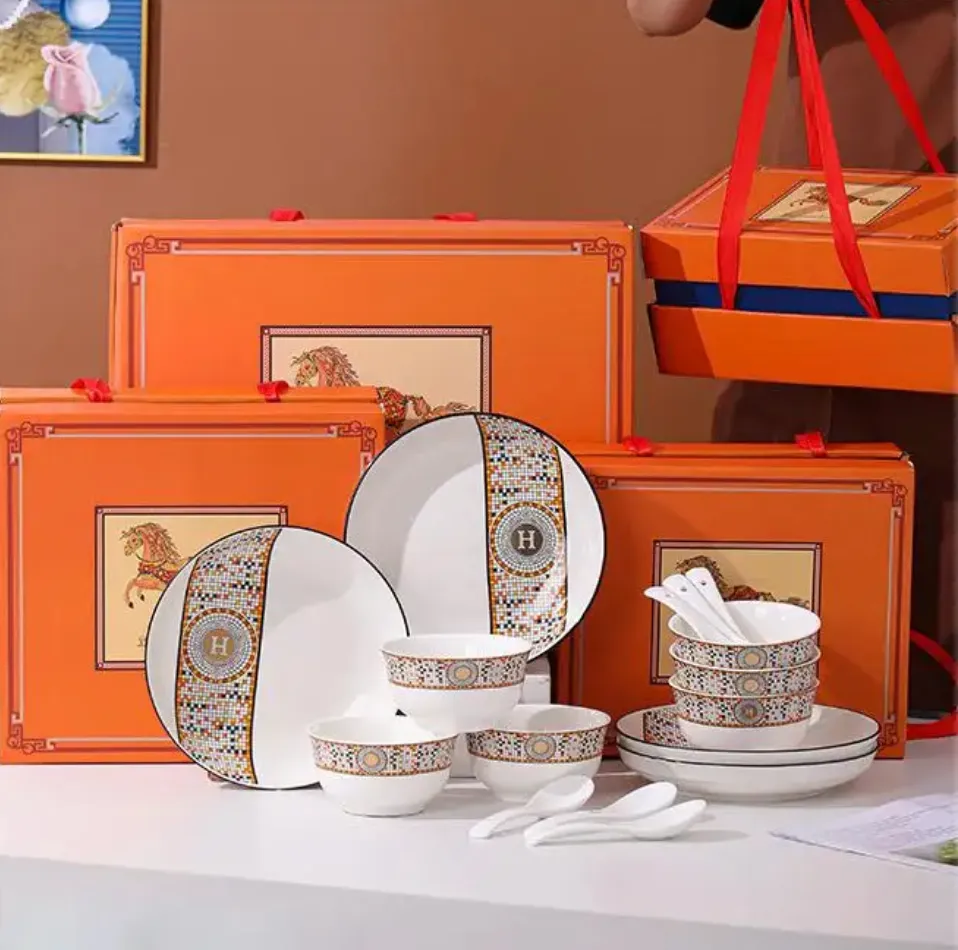
في تجارة تصدير أواني المائدة الخزفية، لطالما شكّل الكسر أثناء النقل مشكلة حرجة تؤثر على كل من الربحية ورضا العملاء. سواء تعلق الأمر بالأطباق أو الأوعية أو الأكواب أو أواني الخبز، فإن الطبيعة الهشة للمنتجات الخزفية تجعلها معرضة بشدة للصدمات والاهتزازات وضغط التكديس أثناء الشحن البحري لمسافات طويلة أو خلال مراحل إعادة الشحن المتعددة. وبالتالي، فإن تحسين تغليف أواني الطعام الخزفية أصبح ذلك أولوية بالنسبة للمصنعين والمصدرين على حد سواء.
في المشهد العالمي الحالي للمشتريات بين الشركات (B2B)، لا يقتصر اهتمام العملاء على تصميم المنتج وسعره فحسب؛ بل أصبحوا يولون أهمية متزايدة لاستقرار سلسلة التوريد وجودة التسليم. إن المحترف تغليف أواني الطعام الخزفية لا يقتصر دور هذا الحل على خفض معدلات الكسر بشكل فعال فحسب، بل إنه يعزز أيضًا الصورة المهنية للعلامة التجارية ويحفز العملاء على تكرار الشراء. بالنسبة للمصنعين مثل سيراميك يونغجيان, ، ويُعد تحسين أنظمة التعبئة والتغليف خطوة حاسمة في تعزيز القدرة التنافسية الدولية.
يحلل هذا المقال بشكل منهجي كيفية خفض معدلات الكسر في أطقم الأواني الخزفية المخصصة للتصدير — ويساعد الشركات على إرساء نظام أكثر موثوقية تغليف أواني الطعام الخزفية الأنظمة — من خلال دراسة خمسة أبعاد رئيسية: اختيار المواد، والتصميم الهيكلي، وحلول التبطين، وتحسين النقل، ومراقبة التكاليف.
أولاً: اختيار مواد التغليف: أساس الحماية
من بين العوامل التي تؤثر على معدلات الكسر، تُعد مواد التغليف العنصر الأساسي والأكثر أهمية. عالية الجودة تغليف أواني الطعام الخزفية يتم تصميمه عادةً بهيكل مكون من ثلاث طبقات: طبقة حماية داخلية، وطبقة توسيد متوسطة، وطبقة خارجية مقاومة للضغط.
أولاً، بالنسبة للتغليف الداخلي، يُنصح باستخدام مواد مثل رغوة EPE (البولي إيثيلين الموسع) أو اللب المقولب القابل للتحلل البيولوجي؛ حيث تُغلف هذه المواد سطح الخزف بإحكام، مما يقلل من الاحتكاك والاهتزازات الدقيقة. لنأخذ أكواب السيراميك كمثال: إذا تم تغليفها بالورق العادي فقط، فقد تصل معدلات الكسر أثناء النقل البحري إلى 8–12%، في حين أن استخدام بطانات EPE يمكن أن يخفض هذا الرقم إلى أقل من 2%.
ثانياً، عادةً ما تستخدم التبطينات المتوسطة حواجز من الورق المقوى المموج أو هياكل ورقية على شكل خلية النحل لفصل العناصر وتثبيتها داخل تغليف أواني الطعام الخزفية. وهذا أمر مهم بشكل خاص بالنسبة لمنتجات مثل الأطباق الخزفية؛ فعند تكديسها دون فواصل، قد يؤدي الضغط الجانبي بسهولة إلى تكسر الحواف أو تشققها. وأخيرًا، يجب أن يكون الكرتون الخارجي مصنوعًا من الورق المقوى المموج المقوى المكون من خمس أو سبع طبقات، لضمان أن قوة الضغط تفي بمعايير الشحن الدولية (مثل ECT 32 أو أعلى). في سيناريوهات التصدير الفعلية، يمكن أن يؤدي استخدام الصناديق الخارجية عالية القوة لتغليف أواني المائدة الخزفية إلى خفض معدل الكسر الإجمالي أثناء النقل بنسبة تتراوح بين 30% و50%.
بالنسبة لصناعة السيراميك، لا ينبغي الاكتفاء بخفض تكاليف التغليف فحسب؛ بل يجب تحقيق توازن بين “التكلفة المنخفضة” و“الحماية العالية” من خلال تحسين التصميم الهيكلي.

ثانياً: تحسين التصميم الهيكلي: تعزيز مقاومة الصدمات في عبوات أواني الطعام الخزفية
وبصرف النظر عن المواد المستخدمة، يُعد التصميم الهيكلي عاملاً أساسياً في تحديد الفعالية الحقيقية لتغليف أواني الطعام الخزفية. وتعتقد العديد من الشركات خطأً أن “الحشو الكافي يعني الأمان”، في حين أن التصميم الهيكلي السليم هو في الواقع أكثر أهمية من كمية الحشو المستخدمة.
على سبيل المثال، عند تغليف الأوعية الخزفية للتصدير، فإن ترتيب “التكديس الرأسي” يجعل القطع السفلية معرضة بشدة للتشقق تحت الضغط الرأسي أثناء النقل. غير أن التحول إلى هيكل “التداخل المتداخل” يوزع الضغط على نقاط تلامس متعددة، مما يقلل بشكل كبير من خطر الكسر.
علاوة على ذلك، أصبحت التصاميم المقسمة إلى وحدات نمطية شائعة بشكل متزايد في تغليف أطقم الأواني الخزفية الحديثة. توفر الحجرات ذات الأحجام المخصصة مساحة خاصة لكل قطعة خزفية، مما يمنع بشكل فعال التصادم بين المنتجات. على سبيل المثال، تنخفض نسبة كسر أواني الخبز الخزفية — التي عادةً ما تكون كبيرة وثقيلة — إلى ثلث المستوى الأصلي عند تغليفها باستخدام حشوات فردية مقطوعة بالقالب.
كما ينبغي أن تشمل الاعتبارات المتعلقة بالتصميم الهيكلي مرحلة تحميل الحاويات. فهناك تقنيات مثل التكديس بنمط “تيك-تاك-تو” (الشبكي) أو التكديس “المتقاطع” التي تعزز الاستقرار العام، وتمنع الأضرار المتراكمة الناجمة عن التحرك أثناء النقل لمسافات طويلة.
في نهاية المطاف، فإن التصميم الهيكلي الممتاز لتغليف أواني الطعام الخزفية يحقق التوازن الأمثل بين امتصاص الصدمات وتوزيع القوى وتثبيت المنتج.

ثالثًا: تكنولوجيا التبطين والحشو: الطبقة الواقية الحاسمة في تغليف أواني الطعام الخزفية
يُعد نظام التبطين هو العنصر في عبوات أواني المائدة الخزفية الذي يؤثر بشكل مباشر أكثر من غيره على معدلات الكسر. وتتمثل وظيفته الأساسية في امتصاص طاقة الصدمات وتقليل انتقال الاهتزازات إلى أدنى حد ممكن.
تشمل مواد التبطين الشائعة المستخدمة حاليًا رغوة EPE (القطن اللؤلؤي)، والغلاف الفقاعي، واللب المقولب، والأكياس ذات الأعمدة الهوائية. ومن بين الخيارات المختلفة، أصبح اللب المقولب خيارًا سائدًا في الأسواق الأوروبية والأمريكية بفضل طبيعته الصديقة للبيئة وإمكانية تخصيصه. وتشير البيانات إلى أنه، في ظل ظروف شحن متطابقة،, تغليف أواني الطعام الخزفية يقلل استخدام اللب المقولب من خطر الكسر بنسبة 20% تقريبًا مقارنةً بمواد الرغوة التقليدية.
لنأخذ أطقم أواني الطعام الخزفية كمثال: إذا تم تغليفها بطبقة واحدة فقط من ورق التغليف الفقاعي، فإن حوافها تكون عرضة للتآكل الناجم عن الاهتزاز المستمر أثناء الشحن البحري لمسافات طويلة. في المقابل، فإن استخدام “هيكل توسيد ثلاثي النقاط” (يغطي الجزء العلوي والسفلي والجوانب) يوفر حماية شاملة، مما يعزز السلامة بشكل كبير.
علاوة على ذلك، فإن التحكم في كثافة التعبئة أمر بالغ الأهمية. فإذا كان التعبئة فضفاضة جدًّا، فقد يتحرك المنتج؛ أما إذا كانت ضيقة جدًّا، فقد يتراكم الضغط الداخلي. المثالي تغليف أواني الطعام الخزفية يضمن أن يكون المنتج “مثبتًا بإحكام في مكانه دون التعرض لأي ضغط” داخل الصندوق.
في عملية الإنتاج الفعلية، تقوم شركة «يونغجيان للسيراميك» عادةً بتخصيص تصاميم التبطين وفقًا لشكل المنتج — مثل استخدام غلاف حلقي الشكل للأوعية المستديرة وحماية معززة للزوايا للأطباق المربعة — لضمان توفير الحماية المثلى لكل فئة من فئات المنتجات.
الجزء الرابع: إدارة النقل والتكديس: تحسين “الميل الأخير” لتغليف أواني الطعام الخزفية
حتى مع وجود تصميم ممتاز للتغليف، فإن سوء إدارة النقل والتكديس قد يؤدي إلى حدوث كسر. ولذلك، فإن تحسين تغليف أواني الطعام الخزفية يجب أن يمتد ذلك ليشمل المرحلة اللوجستية.
أولاً، أثناء تحميل الحاويات، تجنب ارتكاب خطأ تكديس الأغراض الثقيلة فوق الأغراض الأخف وزناً. يجب دائماً ترتيب المنتجات الخزفية بحيث تكون “قاعدتها معززة وتوزيع وزنها متساوياً”. يُنصح عموماً بالحد من ارتفاع كل طبقة بحيث لا يتجاوز 1.2 متر، وذلك لمنع الضغط المفرط على الطبقات السفلية.
ثانياً، تُعد الحماية من الرطوبة أمراً لا يقل أهمية. فقد تؤدي تقلبات الرطوبة أثناء الشحن البحري لمسافات طويلة إلى إضعاف متانة الكرتون؛ ولذلك، فإن إدخال مواد ماصة للرطوبة أو أغشية مقاومة للرطوبة في تغليف أواني الطعام الخزفية يمنع بشكل فعال حدوث أي خلل هيكلي ناجم عن تليين الكرتون.
بالإضافة إلى ذلك، يمكن أن يؤدي تحسين مسارات النقل إلى تقليل المخاطر. فعلى سبيل المثال، يمكن أن يؤدي تقليل نقاط إعادة الشحن إلى الحد الأدنى واختيار مسارات شحن مباشرة إلى خفض الأضرار المرتبطة بعمليات التحميل والتفريغ المتكررة بشكل كبير. وفي بعض حالات التصدير، أدى تحسين المسارات اللوجستية إلى انخفاض معدل الكسر في تغليف أواني الطعام الخزفية بمقدار 15% تقريبًا. وأخيرًا، لا ينبغي إغفال الملصقات وعلامات التحذير — مثل “قابل للكسر” أو “هذا الجانب إلى الأعلى” —؛ فهذه المؤشرات يمكن أن تساعد في الحد من سوء التعامل مع البضائع أثناء النقل.
خامساً: تحقيق التوازن بين التكلفة والكفاءة: إنشاء نظام تغليف قابل للتوسع لأواني الطعام الخزفية
في عمليات التصدير بين الشركات (B2B)، يُعد التحكم في التكاليف دائمًا عاملاً حاسمًا. ويجب على الشركات مواجهة التحدي المتمثل في تحسين تغليف أواني الطعام الخزفية التكاليف مع ضمان سلامة المنتج.
أولاً، يمكن خفض تكاليف التصميم والإنتاج من خلال توحيد معايير التغليف. فعلى سبيل المثال، يتيح توحيد أبعاد الأطباق والأوعية والأكواب الإنتاج الضخم لمواد التغليف، مما يؤدي إلى خفض التكلفة لكل وحدة.
ثانياً، يُعد الاستخدام الاستراتيجي للمواد خفيفة الوزن اتجاهاً متنامياً. فاستبدال بعض مواد البولي إيثيلين الموسع (EPE) باللب المقولب لا يُعدّ صديقاً للبيئة فحسب، بل يقلل أيضاً من وزن الشحنة، مما يؤدي إلى انخفاض تكاليف الشحن.
علاوة على ذلك، يمكن أن يؤدي الشراء بالجملة لمواد التغليف إلى خفض التكاليف الإجمالية بشكل كبير. وبالنسبة لشركات مثل «يونغجيان سيراميكس» — التي تمتلك قدرات تصنيع المعدات الأصلية (OEM) وتصميم وتصنيع المنتجات (ODM) — فإن تطبيق نظام موحد تغليف أواني الطعام الخزفية يتيح هذا التصميم تحقيق تحسينات متزامنة في كفاءة الإنتاج والفعالية من حيث التكلفة.
تجدر الإشارة إلى أن التكلفة المنخفضة لا تعني بالضرورة جودة منخفضة. بل إن نظام التغليف المصمم جيدًا يمكنه في الواقع الحد من الخسائر بعد البيع، مما يؤدي في النهاية إلى تعزيز الربحية الإجمالية.
الخاتمة
باختصار، تنبع مشكلات الكسر في صادرات أواني المائدة الخزفية من مجموعة من العوامل — بما في ذلك المواد، والتصميم الهيكلي، والتبطين، والنقل، وإدارة التكاليف — وليس من سبب واحد. تصميم علمي تغليف أواني الطعام الخزفية يمكن لهذا النظام أن يقلل من المخاطر من مصدرها، ويحسن جودة الخدمة، ويعزز ثقة العملاء.
بالنسبة لشركات صناعة السيراميك الموجهة للتصدير، لم تعد التغليف مجرد “خطوة ثانوية”، بل أصبح عنصراً حيوياً في تنافسية سلسلة التوريد. ويمكن أن يؤدي التحسين المستمر لتصميم التغليف وإدارة الخدمات اللوجستية إلى تعزيز الكفاءة التشغيلية بشكل كبير، وبناء سمعة أقوى للعلامة التجارية في السوق الدولية.
وبالنظر إلى المستقبل، مدفوعًا بالتطورات في مجال المواد الصديقة للبيئة والخدمات اللوجستية الذكية،, تغليف أواني الطعام الخزفية ستتطور لتتجه نحو مزيد من خفة الوزن والاستدامة وكفاءة الحماية.

نبذة عن سيراميك يونغجيان
تأسست في عام 1990،, سيراميك يونغجيان هي شركة تصنيع محترفة متخصصة في إنتاج وبيع أطقم الأواني الخزفية بالجملة. تشمل مجموعة منتجات الشركة الأطباق، والأوعية، والأكواب، وأواني الخبز، والملاعق، وتتمتع بخبرة واسعة في التخصيص حسب الطلب/التصنيع حسب الطلب. تدعم شركة «يونغجيان للسيراميك» عمليات الشراء بكميات طلب دنيا (MOQ) منخفضة، مما يتيح للعملاء اختبار المنتجات والتوسع في أسواق جديدة بمرونة أكبر. تختلف كميات الطلب الدنيا حسب المنتج؛ ونشجع العملاء على استشارة فريق المبيعات لدينا للتأكد من المتطلبات المحددة. وبفضل قدرات إنتاجية مستقرة وخبرة واسعة في مجال التصدير،, سيراميك يونغجيان يقدم دائمًا حلول أدوات المائدة الخزفية عالية الجودة للعملاء في جميع أنحاء العالم.

الأسئلة الشائعة
1. ما هو الجانب الأكثر إهمالًا في تغليف أواني الطعام الخزفية؟
تهمل العديد من الشركات تنظيم التكديس والحماية من الرطوبة أثناء النقل. وغالبًا ما يؤثر هذان العاملان بشكل مباشر على معدل الكسر النهائي؛ فحتى مواد التغليف عالية الجودة قد تفشل في أداء وظيفتها إذا لم تتم إدارة هذين العنصرين بشكل سليم.
2. كيف يمكن خفض معدلات كسر منتجات السيراميك المخصصة للتصدير بسرعة؟
نوصي باتباع نهج ثلاثي المحاور: تحسين التصميم الهيكلي، وتطوير مواد التبطين، وتوحيد أساليب تحميل الحاويات. ويؤدي الجمع بين هذه الإجراءات إلى تحقيق أفضل النتائج.
3. هل من الممكن خفض تكاليف التغليف مع ضمان السلامة؟
نعم. يمكن تحقيق التوازن بين التكلفة والحماية من خلال التصميم الموحد واستبدال المواد (مثل استخدام اللب المقولب بدلاً من الرغوة)؛ ومع ذلك، فإن مجرد تقليل سماكة المادة لا يُعد حلاً عمليًّا.