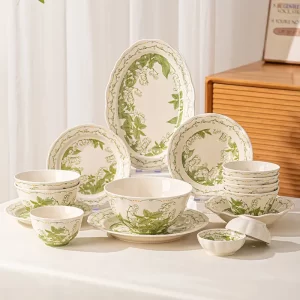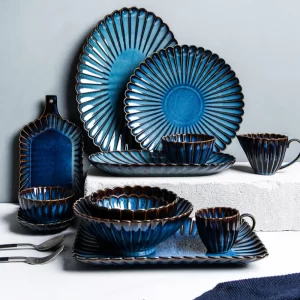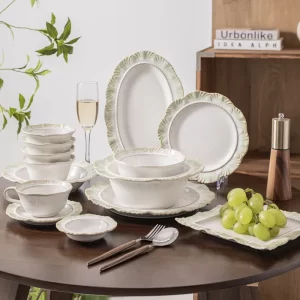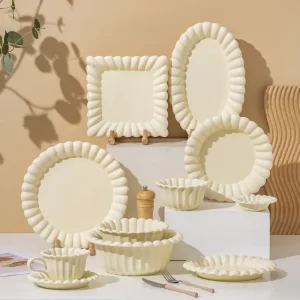
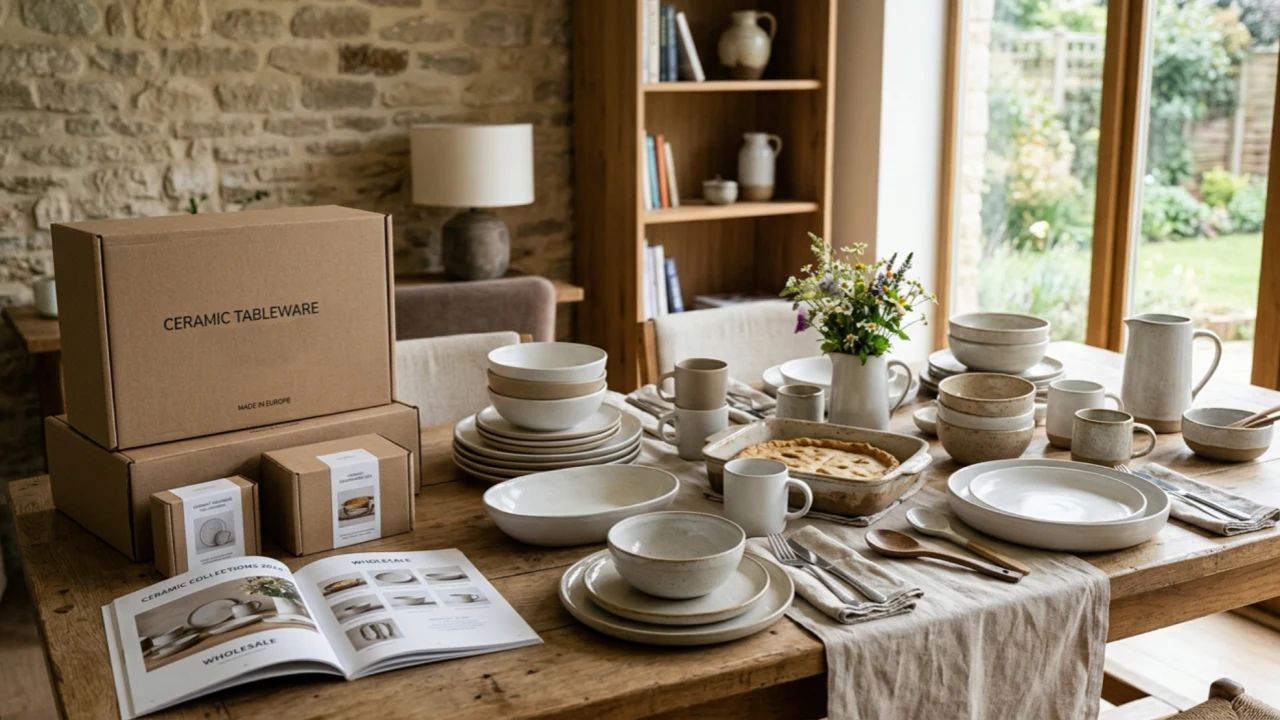
Lors de la sélection vente en gros de vaisselle en céramique En ce qui concerne les fournisseurs, les acheteurs européens devraient ne pas se limiter aux prix unitaires et évaluer également la gamme de produits, la sécurité alimentaire, la constance de la qualité, les emballages, les quantités minimales de commande, les capacités de réapprovisionnement et l'efficacité des livraisons. Pour les marques et les grossistes, une chaîne d'approvisionnement stable a plus de valeur qu'un prix bas sur une seule commande.
Pour les marques européennes de restauration, les marques d’articles pour la maison, les détaillants et les grossistes en vaisselle, l’approvisionnement en vaisselle en céramique ne se résume pas simplement à “ trouver l’usine proposant le prix le plus bas ”. Parmi les facteurs qui ont un impact réel sur la rentabilité, on peut citer l’assortiment de produits, la documentation relative à la conformité, l’uniformité des lots, les taux de casse lors du transport, la rotation des stocks et la capacité à réapprovisionner les stocks.
Par conséquent, un système robuste vente en gros de vaisselle en céramique La stratégie d'approvisionnement doit aller au-delà de la simple question de “ quoi acheter ” pour prendre en compte “ comment vendre, comment réapprovisionner et comment atténuer les risques liés à l'approvisionnement ”.”
1. Pourquoi les acheteurs européens doivent-ils revoir leur approche de l'achat en gros de vaisselle en céramique ?
La consommation de vaisselle en céramique sur le marché européen est très variée.
Les restaurants et les hôtels privilégient la durabilité, l'uniformité dimensionnelle et la stabilité de l'approvisionnement à long terme ; les enseignes d'articles pour la maison mettent l'accent sur le design, le conditionnement et les niveaux de prix ; tandis que les marques accordent davantage d'importance à la cohésion des collections, à la cohérence des couleurs et à la différenciation des produits.
Cela signifie que lors de l’approvisionnement vente en gros de vaisselle en céramique, les acheteurs européens ne devraient pas se contenter de demander :
“ Combien ça coûte ? ”
Voici quelques questions plus pertinentes :
- Quelles tailles et quels articles assortis sont disponibles dans cette collection ?
- Est-il possible de s'approvisionner régulièrement en ce même produit sur le long terme ?
- Comment assure-t-on la cohérence des couleurs d'un lot de production à l'autre ?
- Pouvez-vous fournir des documents attestant de la sécurité des produits en contact avec les aliments ?
- L'emballage est-il conçu pour réduire au minimum les risques de casse pendant le transport ?
- Les quantités minimales de commande (MOQ) sont-elles adaptées à mes canaux de vente ?
- Le fournisseur est-il en mesure de traiter rapidement les nouvelles commandes après le lancement d'un nouveau produit ?
Aperçu de l'approvisionnement : Pour les marques européennes, la véritable valeur d’un fournisseur ne réside pas dans un devis bas pour la première commande, mais dans sa capacité à fournir des produits présentant des caractéristiques techniques identiques, une couleur homogène et une qualité constante pour les commandes de réapprovisionnement ultérieures. Pour les collections de vaisselle destinées à une commercialisation à long terme, cette fiabilité est souvent plus importante que de réaliser une économie de quelques points de pourcentage sur le prix d’achat initial.
2. Quels articles de vaisselle en céramique les acheteurs européens devraient-ils se procurer ?
Lorsqu'on cible Acheteurs européens de vaisselle en céramique, il est conseillé de ne pas se limiter à un seul référence ; il vaut mieux constituer un portefeuille de produits reposant sur une structure “ articles de base + articles complémentaires + articles à forte marge ”.”
Vaisselle de base
Il s'agit des produits de base qui permettent aux grossistes de générer des volumes de ventes stables, tels que :
- Plaques en céramique
- Bols en céramique
- Tasses en céramique
- Tasses en céramique
- Cuillères en céramique
Les palettes de couleurs blanc, beige, gris et naturel s'intègrent généralement facilement à divers styles de décoration intérieure et d'aménagement de salle à manger.
Produits fonctionnels
Les produits en céramique fonctionnels peuvent aider les marques à augmenter le montant moyen des commandes (AOV), notamment :
- Plats de cuisson en céramique
- Plats à gratin
- Bols de service
- Bols de pâtes
- Bols à soupe
- Ustensiles de cuisine « du four à la table »
Pour les enseignes de grande distribution qui proposent à la fois des ustensiles de cuisine et de la vaisselle, des articles tels que les plats de cuisson permettent aux fournisseurs d'élargir leur offre, qui ne se limite plus à la vaisselle de base, pour proposer des gammes plus complètes de produits en céramique destinés à la cuisine.
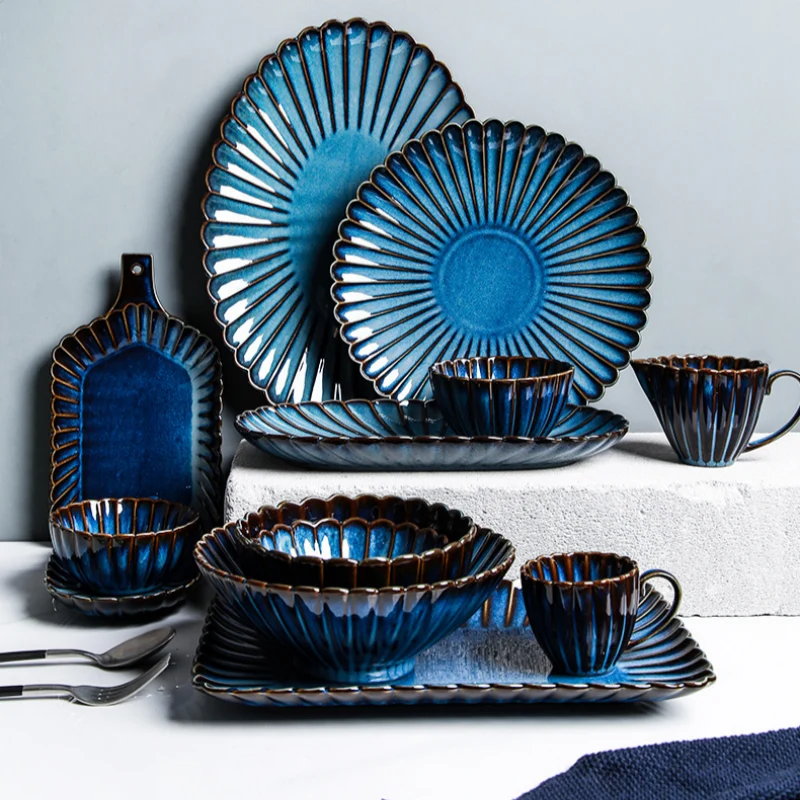
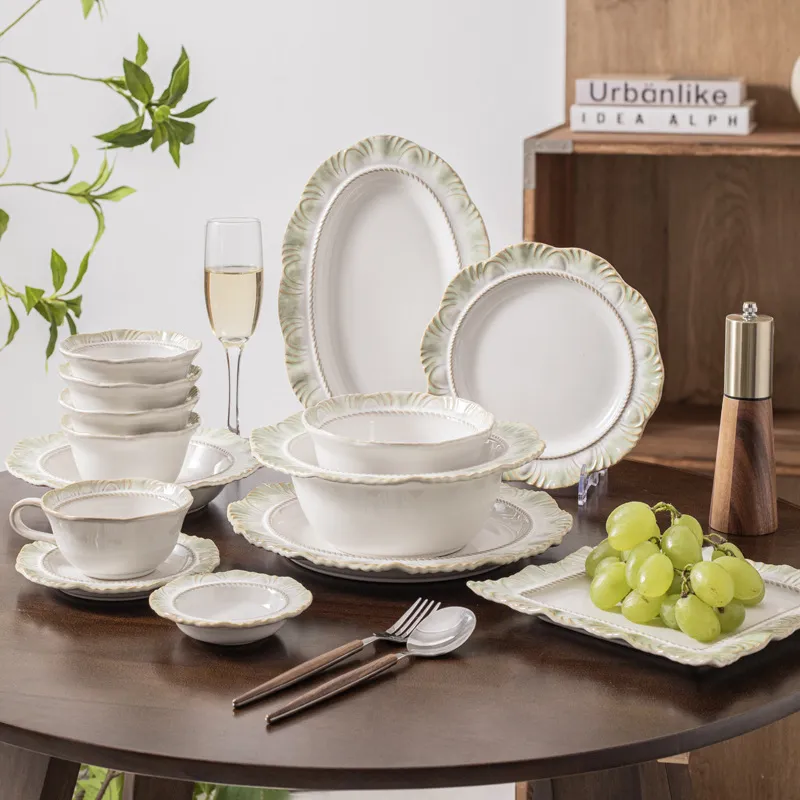
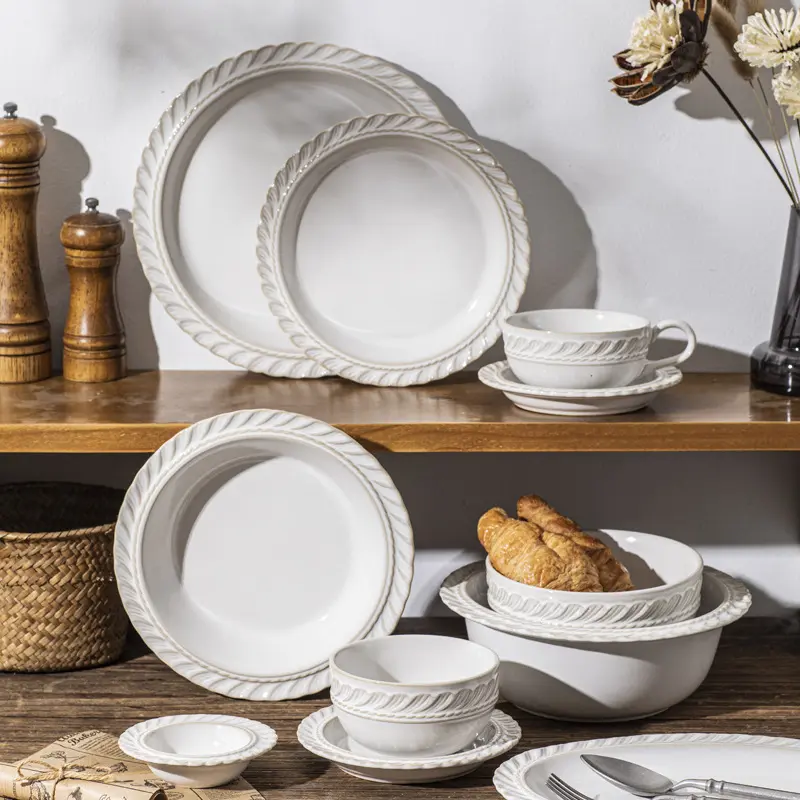
Produits axés sur le design
Si vous visez le marché européen de milieu à haut de gamme, pensez à ajouter des gammes de produits au caractère visuel distinctif, telles que :
- Vaisselle à glaçure réactive
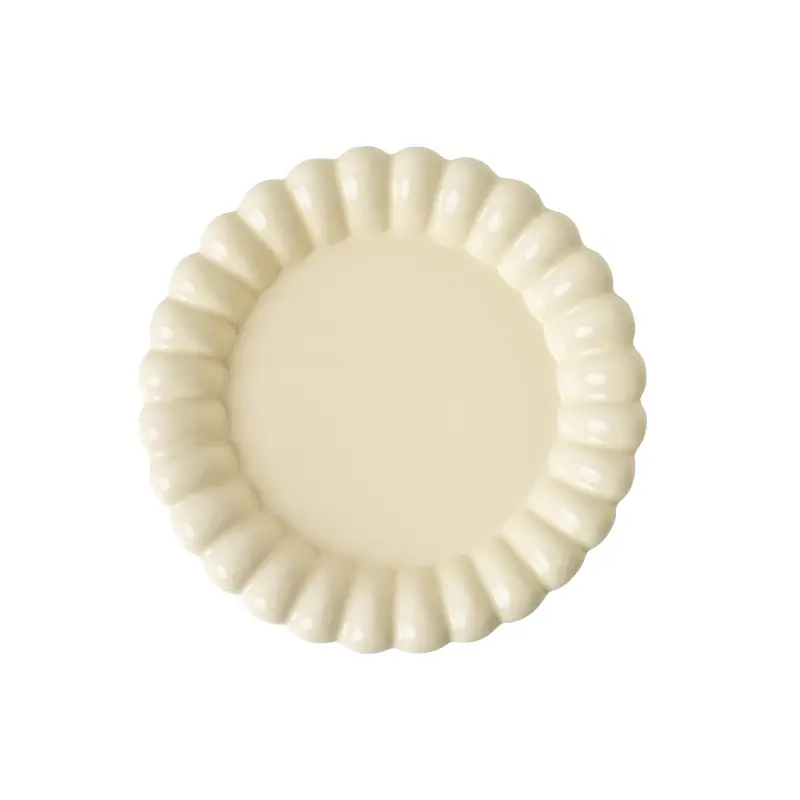
- Assiettes aux formes organiques
- Céramiques d'aspect artisanal
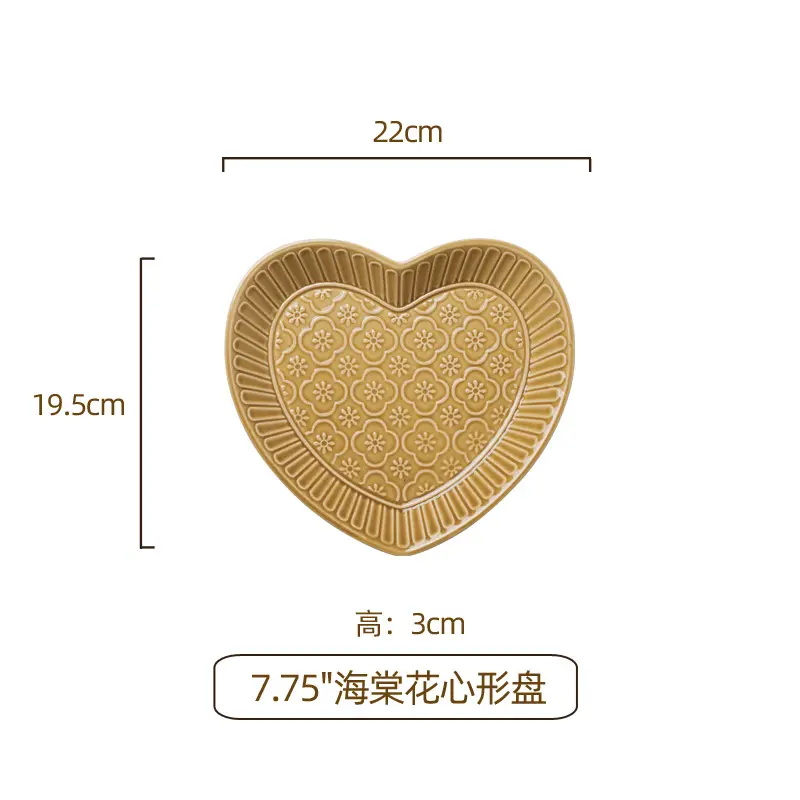
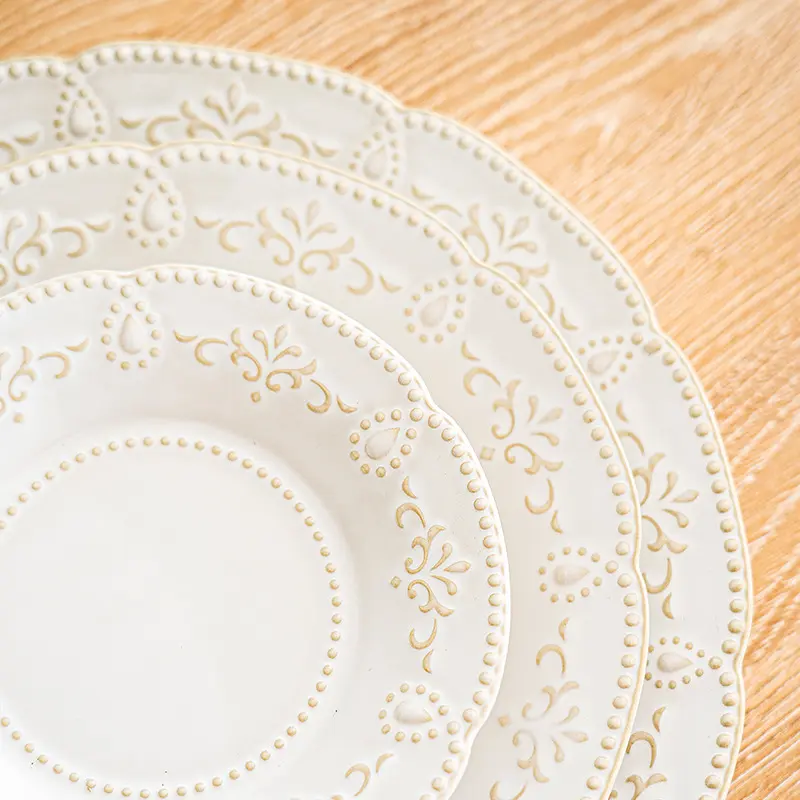
- Vaisselle en céramique texturée
- Motifs botaniques ou inspirés de la nature
Dans le cadre de vente en gros de vaisselle en céramique, les articles axés sur le design ne doivent pas nécessairement être ceux qui se vendent le mieux ; ils servent plutôt à attirer les consommateurs et à rehausser le niveau de prix de l'ensemble de la collection.
3. Quels sont les contrôles qualité les plus importants à effectuer dans le cadre de la vente en gros de vaisselle en céramique ?
Pour les acheteurs européens, la qualité de la céramique ne se limite pas à son aspect esthétique.
Il est recommandé de vérifier les points suivants avant de procéder à l'achat :
Homogénéité des dimensions et du poids
Des écarts dimensionnels importants au sein d'une même référence peuvent avoir un impact direct sur :
- Assortiment de vaisselle
- Empilabilité
- Dimensions de l'emballage
- Capacité de chargement des conteneurs
- Présentoir de magasin
Pour les grossistes, la régularité est bien plus importante que le simple fait qu'un échantillon “ ait l'air bien ”.”
Homogénéité de la glaçure et de la couleur
Céramiques émaillées peuvent présenter de légères variations de couleur d'un lot de production à l'autre, notamment dans le cas des glaçures réactives et des produits conçus pour avoir un aspect artisanal. Par conséquent, lors du développement d'une gamme de produits, les marques européennes doivent définir clairement à l'avance les éléments suivants :
- Plage acceptable de variation de couleur
- Les variations naturelles de l'effet de la glaçure sont-elles autorisées ?
- La question de savoir si de légères différences au niveau des bords, des bases et des surfaces émaillées sont acceptables
- Faut-il conserver l'échantillon de référence d'origine en vue de futures commandes ?


En exclusivité : Si une marque prévoit de commercialiser une collection de vaisselle sur le long terme, il est conseillé de conserver un “ échantillon de référence ” (échantillon standard de référence) dès la validation initiale de la production en série, plutôt que de se fier uniquement aux images du produit. Les images ne permettent pas de rendre fidèlement la profondeur de la glaçure, son éclat ou son toucher, alors qu'un échantillon physique de référence constitue un élément essentiel pour garantir la qualité des lots suivants.
Finition des chants et des bases
Les bords des assiettes, des bols et des tasses sont des zones très exposées au contact et doivent donc faire l'objet d'une inspection minutieuse afin de vérifier :
- Impatiences
- Arêtes vives
- Sténopés
- Fissures
- Défauts de glaçure
- Déformation
- Qualité de l'anneau de pied
Même si ces détails ne ressortent pas forcément clairement sur les photos des produits, ils ont une incidence directe sur l'expérience client et les taux de retour.
4. Quelles sont les exigences réglementaires applicables à l'approvisionnement en vaisselle en céramique destinée au marché européen ?
Quand Approvisionnement en vaisselle en céramique Sur le marché européen, la sécurité en matière de contact alimentaire est un critère déterminant dans le choix des fournisseurs.
La Commission européenne classe la vaisselle parmi les “ matériaux destinés à entrer en contact avec les denrées alimentaires ” (FCM). Les matériaux mis sur le marché de l'UE doivent satisfaire aux exigences fondamentales du règlement (CE) n° 1935/2004 et respecter les normes de fabrication applicables.
En ce qui concerne les produits en céramique, il convient d'accorder une attention particulière à la migration du plomb et du cadmium. La directive européenne 84/500/CEE définit les protocoles d'essai de migration et les limites applicables aux articles en céramique destinés à entrer en contact avec les denrées alimentaires.
Il convient de noter que l'UE travaille actuellement à de nouvelles révisions de la réglementation relative aux matériaux et objets destinés à entrer en contact avec les denrées alimentaires (FCM), en envisageant d'abaisser les limites de migration pour le plomb et le cadmium tout en instaurant des restrictions concernant des substances telles que l'aluminium, l'arsenic, le baryum, le cobalt, le chrome et le nickel. Par conséquent, lors de l'approvisionnement vaisselle en céramique destinée aux acheteurs européens, ne vous contentez pas de demander : “ Est-ce sans plomb ? ” Exigez plutôt de vos fournisseurs qu'ils précisent les points suivants :
- Que des essais de migration du plomb et du cadmium soient effectués ou non
- Quels sont les produits et décorations spécifiques concernés par ces essais ?
- Les échantillons testés correspondent-ils aux produits issus de la production en série ?
- Si des rapports d'essai peuvent être fournis
- Si les produits sont adaptés au marché cible
Astuce exclusive pour l'approvisionnement : Ne vous contentez pas de sauvegarder les “ certificats PDF ” du fournisseur. Une approche plus rigoureuse consiste à établir un lien clair entre Référence, rapport d'essai, décoration, glaçure et lot de production. Cela vous permet de déterminer rapidement si de nouveaux tests sont nécessaires chaque fois qu'un article phare subit des modifications au niveau de son émail, de sa décoration ou de ses matériaux.
5. Comment gérer les risques liés au transport dans le cadre de la vente en gros de vaisselle en céramique ?
L'un des principaux défis logistiques liés à la vaisselle en céramique n'est pas son poids, mais le les coûts cachés liés à la fragilité.
Lors de la recherche de fournisseurs, vous devez tenir compte des éléments suivants :
- Emballage individuel
- Boîte intérieure
- Carton principal
- Protection contre les chutes
- Conception des séparateurs
- Résistance du carton
- Chargement des palettes
- Rendement du chargement des conteneurs
Même si un produit est proposé à un prix départ usine bas, un emballage mal conçu peut entraîner des casse, des envois de remplacement et des réclamations de la part des clients — des coûts susceptibles de réduire rapidement tout avantage de prix initial.
Pour les grossistes européens, il est recommandé de procéder à des tests d'emballage avant la production en série, plutôt que de ne constater les problèmes qu'une fois les marchandises arrivées à l'entrepôt.
Une méthode plus pratique de calcul des coûts
Ne vous contentez pas de comparer :
Prix du produit = prix FOB
Comparez plutôt :
Coût à l'arrivée = Produit + Emballage + Fret + Droits de douane/taxes + Risque de casse + Frais de manutention
Il s'agit là d'un facteur souvent négligé lors de l'évaluation des fournisseurs pour vente en gros de vaisselle en céramique.
6. Comment déterminer la quantité minimale de commande (MOQ) ?
Pour les marques et les grossistes, il n'existe pas de quantité minimale de commande (MOQ) unique valable pour tous les projets. Les méthodes d'approvisionnement adaptées doivent être déterminées en fonction du type de produit :
| Type de produit | Stratégie d'approvisionnement recommandée |
|---|---|
| Vaisselle blanche standard | Achats en gros |
| Les incontournables les plus vendus | Gérer le stock de sécurité |
| Nouveaux modèles | Commencez par tester le marché |
| Objets en céramique à glaçure réactive | Limiter la taille initiale de l'ordre |
| Motifs personnalisés | Développer l'activité après avoir confirmé les ventes à long terme |
| Produits de saison | Achats en fonction des cycles de vente |
À propos de vente en gros de vaisselle en céramique, si un acheteur n'a pas encore validé le marché, l'achat à l'aveuglette d'un grand nombre de références peut entraîner une pression sur les stocks.
Une meilleure approche consiste à constituer dans un premier temps un “ portefeuille de références clés ” — qui soutient les ventes grâce à un petit nombre de produits à forte rotation —, puis à introduire progressivement des articles axés sur le design.
7. Comment les marques doivent-elles choisir un fournisseur en gros de vaisselle en céramique ?
Il est recommandé d'évaluer les fournisseurs selon les six critères suivants :
① Gamme de produits
Le fournisseur est-il en mesure de proposer une gamme complète de produits, tels que des assiettes, des bols, des tasses, des plats de cuisson et des cuillères ?
Plus la gamme de produits est complète, plus il est facile pour les marques de proposer des séries de produits cohérentes.
② Expérience dans le secteur industriel
Les usines qui produisent de la céramique depuis longtemps disposent généralement de procédés de fabrication plus aboutis, d'un savoir-faire en matière de gestion des fours et d'une expérience en contrôle qualité.
③ Disponibilité des stocks
Pour les grossistes, la capacité à livrer à partir des stocks existants est essentielle.
Si les produits les plus vendus nécessitent de nouveaux cycles de production à chaque commande, cela entraîne souvent des cycles de réapprovisionnement excessivement longs.
④ Cohérence de la qualité
Veillez tout particulièrement à la cohérence entre les différents lots en ce qui concerne :
- Forme
- Taille
- Poids
- Glaçage
- Couleur
- Décoration
⑤ Expérience à l'exportation
Les fournisseurs qui connaissent bien le marché européen ont généralement une meilleure compréhension des exigences pratiques en matière d'emballage, de documentation, d'expédition et de conformité des produits.
⑥ Communication
L'efficacité de la communication est un indicateur que l'on a tendance à négliger.
Pour les marques, un fournisseur qui comprend parfaitement les spécifications des produits, les exigences en matière d’emballage et les délais de livraison offre souvent une plus grande valeur à long terme qu’un fournisseur qui se contente de proposer le devis le plus bas.
8. Pourquoi un stock important de références prêtes à être expédiées est-il un atout pour les grossistes européens ?
Lorsqu'il s'agit de vaisselle en céramique destinée aux acheteurs européens, le fait de proposer une large gamme de produits ne signifie pas nécessairement qu'il faille acheter un grand nombre de références.
La véritable valeur réside dans la capacité à tester d'abord le marché, puis à augmenter les volumes d'achat en fonction des données de ventes réelles. Par exemple, une marque pourrait commencer par :
Vaisselle blanche → Émail réactif → Forme organique → Motif saisonnier
…et se développer progressivement.
Cette approche facilite grandement la gestion des stocks par rapport au développement simultané de dizaines de produits complexes et sur mesure.
Pour les grossistes, le fait de disposer d'un stock important de références prêtes à être expédiées permet également de réduire au minimum les cas où un client recherche un modèle spécifique que le fournisseur n'a pas en stock, ce qui améliore ainsi l'efficacité en matière de devis et de sélection des produits.
9. Vente en gros de vaisselle en céramique par Yongjian Ceramics
Fondée en 1990, Céramique de Yongjian est depuis longtemps spécialisée dans la fabrication et la vente en gros de vaisselle en céramique. Sa gamme de produits couvre des catégories telles que assiettes, bols, tasses, plats de cuisson et cuillères en céramique, avec plus de 10 000 articles en stock disponible.
Forte de nombreuses années d'expérience dans la fabrication et la vente en gros de vaisselle en céramique, la société Yongjian Ceramics a exporté ses produits vers plus de 100 pays et régions, proposant un vaste choix aux marques, grossistes, détaillants et importateurs européens.
Pour les clients qui recherchent un approvisionnement stable, une gamme variée de références et une sélection rapide de produits, Yongjian peut les aider à composer des assortiments adaptés à des marchés cibles spécifiques à partir de son stock existant, ce qui évite aux acheteurs de devoir développer chaque référence à partir de zéro.
Si vous recherchez un service fiable fournisseur en gros de vaisselle en céramique—que ce soit pour lancer une gamme de vaisselle destinée au marché européen ou pour vous assurer un approvisionnement régulier en vaisselle en céramique pour votre marque – Contacter Yongjian Ceramics pour obtenir des catalogues de produits, des informations sur la disponibilité des stocks et des solutions d'achat.