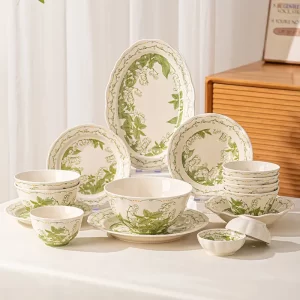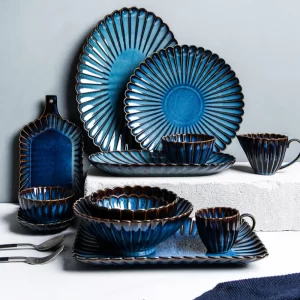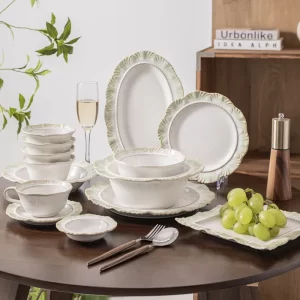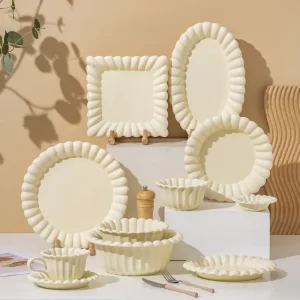

In today’s increasingly competitive restaurant industry, tableware is no longer just a tool for holding food; it’s a crucial component of brand visuals. Ceramic glazing directly determines the texture, color, and durability of tableware. High-quality glazes not only enhance the visual experience but also improve the stain resistance, heat resistance, and wear resistance of tableware.
As restaurant brands increasingly pursue differentiation, Custom Restaurant Tableware is gradually becoming a mainstream trend. From high-end restaurants to chain brands, more and more buyers are paying attention to the choice of glaze technology. In bulk purchasing, balancing design, cost, and durability is a core issue in wholesale restaurant tableware procurement.
Ceramic Glazing Trend Analysis in the Restaurant Industry
Currently, Ceramic Glazing is showing clear design trend changes in the market. The trend is shifting from traditional glossy glazes to more textured matte and reactive glazes.
Firstly, matte glazes, with their low reflectivity and soft visual effect, have become the preferred choice for high-end restaurants. This type of glaze can highlight the natural colors of food, making plating more sophisticated. Secondly, reactive glazes, with their unique flowing textures, allow each piece of tableware to be slightly different, making them ideal for emphasizing a “handcrafted” feel and brand personality.
Furthermore, dark colors (such as black, dark blue, and dark green) are rapidly gaining popularity. These glazes not only enhance visual contrast but also enhance the presentation of dishes. For example, sushi and desserts are more appealing on dark plates.
👉 Trend Summary:
- High-end restaurants: Prefer matte + reactive glaze
- Chain restaurants: Prefer consistent glossy glaze
- Trendy restaurants: Prefer unique textures and color variations

How to Choose the Right Glaze for Different Restaurant Types?
When choosing Ceramic Glazing, it’s crucial to consider the restaurant’s positioning, rather than simply following trends.
Fine Dining
Reactive glaze or matte glaze is recommended. These glazes enhance the overall texture and create an artistic atmosphere. For example, Michelin-starred restaurants often use irregular glazes to enhance visual depth.
- Learn more about the advantages of reactive glaze: What is Reactive Glaze?
Casual Dining
Glossy glaze or monochrome glaze is more suitable. The reasons are:
- Easy to clean
- Controllable cost
- Stable color
Asian Restaurants (e.g., Japanese, Chinese)
Dark glazes (black, dark blue) or textured glazes are ideal, highlighting the color contrast of the food. For example, ramen and sashimi look more visually striking in dark bowls.
Cafes/Dessert Shops
Light-colored glazes or semi-matte glazes are recommended. For example, cream or light pink can enhance the overall atmosphere and are suitable for taking photos and sharing. Core Logic:
Custom Restaurant Tableware = Brand Positioning × Glaze Style × Dining Experience


The Impact of Ceramic Glazing on Cost and Durability
When purchasing Wholesale Restaurant Tableware, the glaze not only affects the appearance but also directly impacts cost and lifespan.
Cost Factors
- Reactive glazes are generally more expensive due to natural variations in the finished product.
- Matte glazes are more difficult to control during firing, resulting in a slightly lower yield rate.
- High-gloss glazes offer stable production and are suitable for large-volume orders.
- Learn more about how glaze affects price: How Glazing Affects Ceramic Tableware Price
Durability and Practicality
- High-gloss glaze: Highly scratch-resistant, suitable for high-frequency use.
- Matte glaze: Good feel, but prone to scratches.
- Dark glaze: More stain-resistant, but uneven glaze should be avoided.
In addition, restaurants should also consider:
- Dishwasher safety
- High-temperature resistance
- Compliance with food safety standards (e.g., lead-free)
Recommendation: When choosing Ceramic Glazing, consider not only the design but also long-term operating costs.

Custom Ceramic Glazing: Creating Brand Differentiation
As brand competition intensifies, more and more restaurants are choosing Custom Restaurant Tableware to strengthen brand identity.
The advantages of custom glazing include:
- Exclusive colors (matching brand colors)
- Unique textures (enhancing brand recognition)
- Differentiated experience (strengthening customer recall)
For example:
- A restaurant with a natural theme uses a handcrafted reactive glaze.
- A chain brand uses a uniform high-gloss glaze in its brand color to improve brand recognition.
During the customization process, the following should be considered:
- Consistency of glaze color across different batches.
- Differences between mass production and samples.
- Balancing cost and MOQ.
Key point:
Good Ceramic Glazing is not just design, but also part of the brand strategy.

Wholesale Restaurant Tableware Purchasing Recommendations
For bulk buyers, choosing the right supplier is just as important as the glazing solution.
When purchasing Wholesale Restaurant Tableware, pay close attention to the following:
1️⃣ MOQ (Minimum Order Quantity)
Flexible MOQs reduce inventory pressure and are suitable for testing new designs.
2️⃣ Customization Capabilities
Does the supplier support:
- Glaze adjustments
- Logo customization
- Multi-category combinations (plates, bowls, cups)
3️⃣ Quality Control
Including:
- Glaze consistency
- Impact resistance
- Long-term stability
4️⃣ Delivery and Service
- Production cycle
- Export experience
- After-sales support
A good supplier helps restaurants find the optimal balance between cost, design, and quality.

Conclusion
In today’s food service industry, Ceramic Glazing has become a crucial factor influencing brand visuals and customer experience. From a market trend perspective, matte, reactive glazes, and dark colors are becoming mainstream. Different types of restaurants should choose glazes based on their own positioning and operational needs.
Whether building a high-end brand image or controlling costs for large-scale operations, choosing appropriate Custom Restaurant Tableware and Wholesale Restaurant Tableware solutions can bring long-term value to restaurants. In the future, as consumers’ demands for experiential aspects increase, innovation and customization of ceramic glazes will continue to be a core direction for industry development.
About Yongjian Ceramics
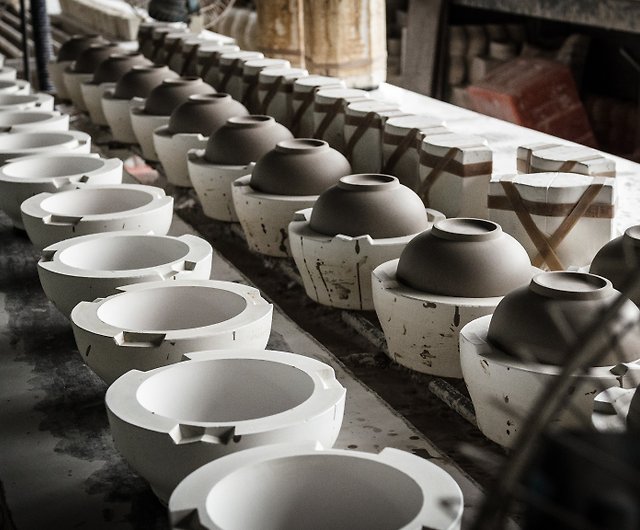
Founded in 1990, Yongjian Ceramics is a professional ceramic tableware manufacturer specializing in the production and wholesale of various ceramic tableware, including ceramic plates, bowls, cups, baking pans, and spoons. We have extensive experience in Custom Restaurant Tableware and can provide diverse Ceramic Glazing customization solutions based on customer needs.
We support flexible Wholesale Restaurant Tableware purchasing models with low minimum order quantities, suitable for customers of different sizes. Specific MOQs depend on the product type. Please contact our sales team for detailed information and customized solutions.
FAQ
Q1: Which type of ceramic glazing is the most durable?
Glossy glaze is generally more scratch-resistant and suitable for high-frequency use in restaurant environments.
Q2: Is reactive glazing suitable for chain restaurants?
Not recommended, as it is prone to natural variations, which can hinder maintaining brand consistency.
Q3: Is custom restaurant tableware very expensive?
Not necessarily. It depends on the design complexity and order volume. Proper planning can control costs.
Q4: How to reduce procurement risk for wholesale restaurant tableware?
It is recommended to conduct small-batch testing (low MOQ) before large-scale procurement to reduce risk.