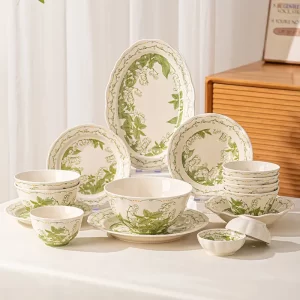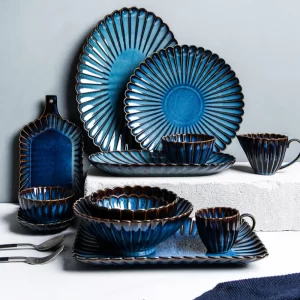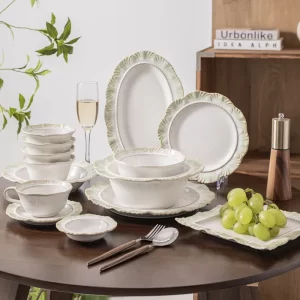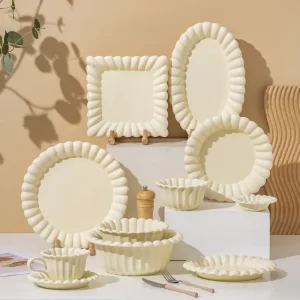

The demand for Wholesale Ceramic Plates continues to grow in the global food service and home goods market. Whether it’s restaurant chains, e-commerce sellers, or large retailers, when conducting cross-border sourcing, in addition to focusing on price, design, and delivery time, the compliance certifications of the products often directly affect whether they can clear customs smoothly and enter the target market. Especially in markets with strict regulations such as Europe and the United States, the safety, environmental friendliness, and production standards of ceramic tableware are strictly regulated. Therefore, understanding and mastering the key certifications required for Wholesale Ceramic Plates can not only help buyers reduce trade risks but also enhance product competitiveness and achieve long-term stable cooperation. This article will systematically outline the common certification requirements for wholesale ceramic plates during the export process and analyze them in conjunction with actual procurement scenarios.
Food Contact Safety Certification: The “Basic Threshold” for Market Entry
For Wholesale Ceramic Plates, the most crucial certification is food contact safety certification. These certifications primarily demonstrate that ceramic tableware will not release harmful substances such as lead and cadmium during food contact.
In the EU market, it must comply with EU Food Contact Materials Regulation (EC) No 1935/2004 and pass relevant testing standards (such as EN 1388). In the US, it must comply with FDA regulations for food contact materials.
For example, some ceramic plates exported to the US require lead and cadmium leaching tests by third-party testing agencies (such as SGS or Intertek). If the test results exceed the limits, the entire shipment may be detained by customs or even returned. Therefore, when selecting Wholesale Ceramic Plates, buyers should request the supplier to provide the latest test reports and confirm their suitability for the target market.
Practical Advice:
- Confirm the test report is recent (usually within 1 year).
- Check if the testing organization has internationally recognized qualifications.
- Be aware of differences in limit standards between different countries.

Quality and Production Management Certification: Ensuring Supply Stability
Besides the safety of the product itself, the standardization of the production process is equally important. Many professional buyers, when purchasing Wholesale Ceramic Plates, focus on whether the factory has quality management system certification, such as ISO 9001.
ISO 9001 certification means that the factory has systematic management capabilities in production processes, quality control, and customer management. For long-term B2B buyers, this type of certification can effectively reduce batch quality instability.
For example, a ceramic factory with an ISO system typically sets up standardized processes in raw material procurement, firing temperature control, and glaze testing, thereby reducing common problems such as color difference and cracking. This is especially crucial for customers purchasing Wholesale Ceramic Plates in large quantities.
Procurement Tips:
- Request to see ISO certificates and numbers
- Check if the factory has a complete QC process
- Evaluate the consistency between samples and bulk orders
Environmental and Social Responsibility Certifications: Enhancing Brand Value
As global consumers become increasingly environmentally conscious, environmental and social responsibility certifications are becoming important factors in Wholesale Ceramic Plates procurement. Examples include BSCI or SEDEX.
These certifications primarily focus on factory labor conditions, working environment, and social responsibility compliance. For products entering large European supermarkets or brand channels, these certifications are often an “invisible barrier.”
For example, many European retailers prioritize suppliers with BSCI audits to ensure supply chain sustainability. This not only affects order acquisition but also directly impacts brand image.
Important Notes:
- Not mandatory in all markets, but often required for high-end channels.
- Certifications require regular review; pay attention to expiration dates.
- Can serve as a significant support for brand premium.
Market-Specific Certifications: Country-Specific Compliance Requirements
Different countries and regions have different import requirements for Wholesale Ceramic Plates; therefore, certifications need to be matched to the target market.
For example:
- EU: Must comply with CE directives (applicable to some products) and food safety regulations.
- US: Must comply with FDA standards.
- Japan: Must comply with relevant testing requirements of the Food Sanitation Law.
In addition, some countries may require additional labeling specifications, such as country of origin (Made in China), material descriptions, and instructions for use.
Case Study: An e-commerce seller exported unlabeled ceramic plates to Europe. Due to non-compliance with labeling regulations, they were required to relabel them, resulting in additional warehousing and labor costs. This type of issue is very common in the export of Wholesale Ceramic Plates.
Recommendations:
- Confirm target market regulations in advance.
- Communicate labeling and packaging requirements with suppliers.
- Engage a third-party compliance agency for auditing if necessary.

Packaging and Transportation Compliance: Avoiding Losses and Customs Clearance Risks
In cross-border transportation, Wholesale Ceramic Plates are fragile items, making packaging and transportation compliance equally important. While this isn’t a traditional certification, it involves transportation standards and compliance requirements.
For example, exports to Europe and America typically require compliance with ISTA drop test standards to ensure the product is not easily damaged during transportation. Furthermore, wooden packaging must comply with ISPM 15 standards.
Good packaging not only reduces breakage rates but also improves customer satisfaction. For example, using double-layer corrugated cardboard boxes with foam inserts can significantly reduce transportation losses.
Practical Tips:
- Request packaging test reports from suppliers.
- Prioritize factories with export experience.
- Pay attention to container loading methods (e.g., Full Container Load (FCL) vs. Less than Container Load (LCL)).

Conclusion
In the context of an increasingly standardized global trade environment, certification has become a crucial factor that cannot be ignored when exporting Wholesale Ceramic Plates. From food safety certifications to quality management systems, from environmental responsibility to national regulations, each certification directly affects whether a product can successfully enter the market and its long-term sales performance. For buyers, understanding and verifying these certifications in advance can not only reduce trade risks but also enhance supply chain stability and brand competitiveness. Choosing suppliers with comprehensive certification systems will provide a solid guarantee for your business expansion.
About Yongjian Ceramics
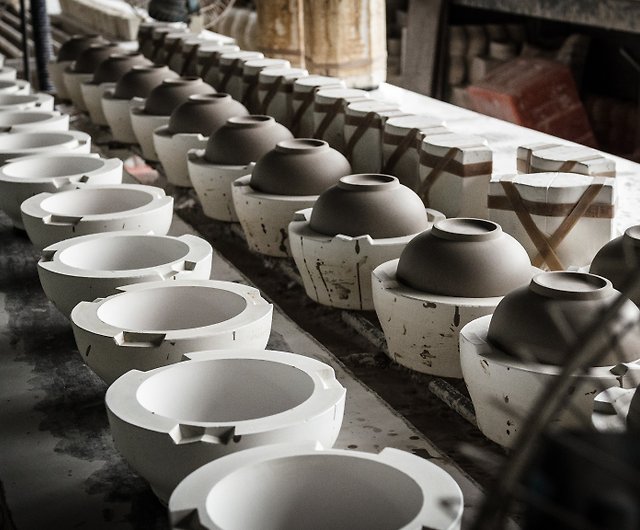
Established in 1990, Yongjian Ceramics is a professional ceramic tableware manufacturer specializing in the production and wholesale of various ceramic tableware, including ceramic plates, bowls, cups, baking pans, and ceramic spoons. We have extensive experience in custom ceramic tableware and can provide diverse design and process options according to customer needs. Yongjian supports flexible MOQs to suit different purchasing needs. The specific minimum order quantity depends on the product type; please contact our sales team for details. We are committed to providing global customers with high-quality, stable supply of Wholesale Ceramic Plates and complete tableware solutions.
FAQ
Q1: Can ceramic plates be imported without certification?
Some countries allow basic imports, but without food safety certification, products may not be able to be sold or may be removed from shelves, posing a higher risk.
Q2: What is the difference between a test report and certification?
A test report shows the specific product test results, while certification is usually a system or compliance certificate; both are important.
Q3: Is certification required for small-batch purchases?
Yes, regardless of order size, Wholesale Ceramic Plates must comply with local regulations to enter the market.