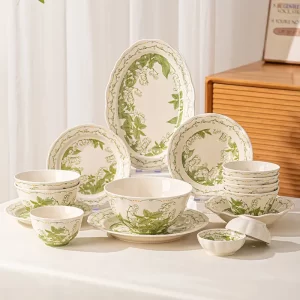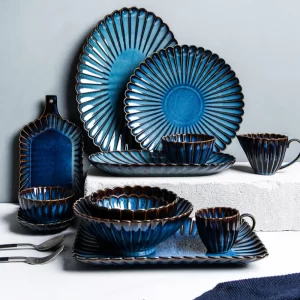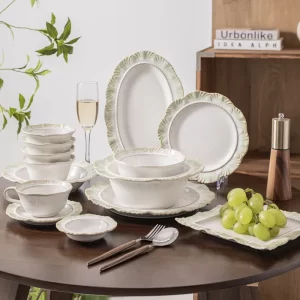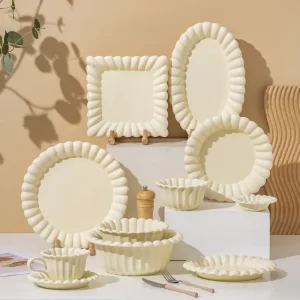
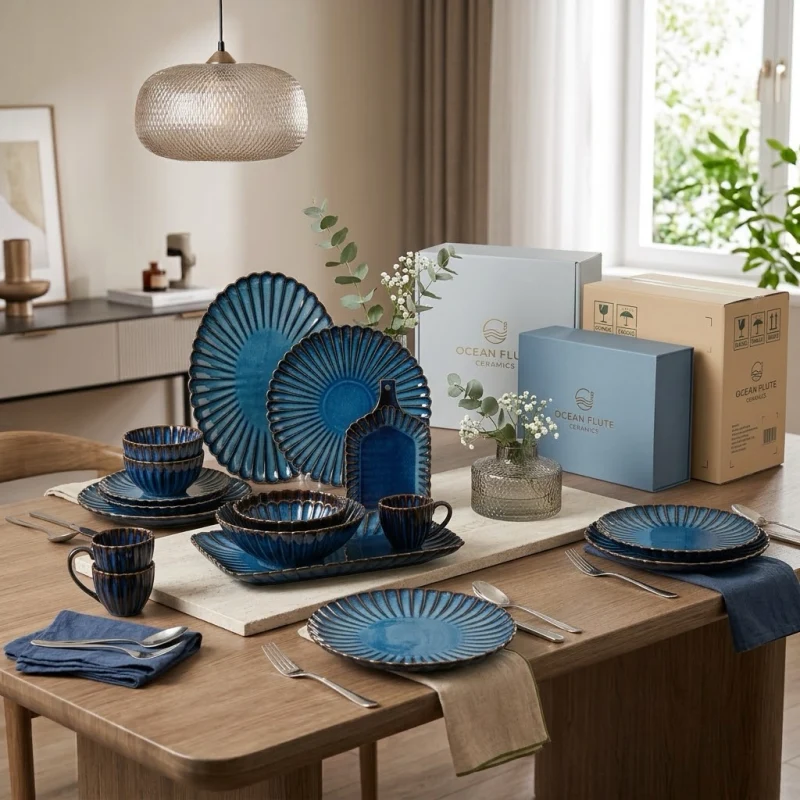
بالنسبة لعلامات «أمازون» التجارية، وعلامات الأدوات المنزلية، وسلاسل المتاجر، لا تُعد أدوات المائدة مجرد سلعة يومية، بل هي أداة أساسية لترسيخ هوية العلامة التجارية، وزيادة متوسط قيمة الطلب، وإبراز تميّز المنتج. وعلى عكس بيع المنتجات العامة،, أواني مائدة خزفية بعلامة تجارية خاصة تتيح للعلامات التجارية استخدام شعاراتها الخاصة، وتغليفاتها، وأنماطها، وألوانها، ومجموعات منتجاتها، مما يحول المنتجات الخزفية العادية إلى مجموعة أواني مائدة مميزة تحمل علامتها التجارية.
ومع ذلك، بالنسبة للمشترين من الخارج، فإن عملية البحث عن الموردين أواني مائدة خزفية بعلامة تجارية خاصة لا يقتصر الأمر على مجرد طباعة شعار على طبق. فهناك عوامل مثل المواد والأبعاد وجودة الطلاء الزجاجي وتوحيد الألوان والتغليف والحد الأدنى لكميات الطلب (MOQs) ومهل التسليم وخبرة التصدير، تؤثر جميعها بشكل مباشر على تكاليف الشراء النهائية وأداء المبيعات. ويمكن أن تؤدي الكميات الدنيا المطلوبة (MOQs) المرتفعة، على وجه الخصوص، إلى ضغوط على المخزون بالنسبة لعلامات أمازون التجارية وعلامات الأدوات المنزلية الصغيرة والمتوسطة الحجم. ولذلك، فإن اختيار مورد قادر على ضمان إنتاج مستقر، وكميات دنيا مطلوبة مرنة، وخيارات تخصيص متنوعة، هو مفتاح النجاح في إطلاق خط أواني مائدة خاص بالعلامة التجارية الخاصة.
يوضح هذا المقال الخطوات المتبعة في عملية التوريد أواني مائدة خزفية بعلامة تجارية خاصة—تشمل اختيار المنتجات، وطرق التخصيص، والحد الأدنى لكميات الطلب، وتقييم الموردين، والمبيعات في الأسواق العالمية—لمساعدة العلامات التجارية على تقليل مخاطر التطوير إلى أدنى حد ممكن وإنشاء خطوط إنتاج أكثر تنافسية.
1. ما هي أطقم الأواني الخزفية ذات العلامة التجارية الخاصة؟
أواني مائدة خزفية بعلامة تجارية خاصة يشير هذا المصطلح إلى أدوات المائدة الخزفية التي تصنعها جهة خارجية — سواء كانت منتجات قياسية جاهزة أو معدلة لتلبية متطلبات علامة تجارية معينة — ثم تُباع لاحقًا تحت الاسم التجاري أو الشعار أو العبوة أو التصميم المرئي الخاص بالمشتري.
بالمقارنة مع أدوات المائدة القياسية المباعة بالجملة، تتمثل الميزة الرئيسية لنموذج العلامة الخاصة في أن العلامات التجارية لا تحتاج إلى إنشاء بنية تحتية لتصنيع السيراميك من الصفر. يمكن للموردين توفير المنتجات الموجودة بالفعل كأساس، ثم يتم تكييفها لتتوافق مع المكانة التسويقية للعلامة التجارية. على سبيل المثال، يمكن لعلامة تجارية متخصصة في الأدوات المنزلية تابعة لأمازون اختيار أطباق وأوعية وأكواب وأواني خبز خزفية موجودة بالفعل، ثم إضافة شعارها وتحديد الألوان وتصميم عبوات مخصصة لإطلاق سلسلة منتجات كاملة بسرعة.
تشمل المنتجات الشائعة التي تُباع تحت علامات تجارية خاصة ما يلي:
- أطباق عشاء خزفية
- أوعية سيراميك
- أكواب وفناجين خزفية
- أطباق خبز السيراميك
- أطباق تقديم من السيراميك
- ملاعق خزفية
- أدوات المطبخ الخزفية
بالنسبة للعلامات التجارية التي تدخل سوق أواني المائدة الخزفية للمرة الأولى، يُنصح بالبدء بالأنماط الراسخة والموجودة بالفعل بدلاً من طلب قوالب جديدة تمامًا منذ البداية. فاستخدام المنتجات الموجودة عادةً ما يساعد على تقصير دورات التطوير مع تقليل تكاليف القوالب ومخاطر المخزون.
على سبيل المثال، يمكن لعلامة تجارية جديدة تخطط لإطلاق مجموعة أواني مائدة مكونة من ست قطع أن تختار أشكالًا موجودة بالفعل للأطباق والأوعية والأكواب، ثم ترسخ هويتها التجارية من خلال الشعارات وألوان الطلاء الزجاجي والأنماط والتغليف. ويحافظ هذا النهج على تميّز المنتج مع إبقاء الاستثمار الأولي تحت السيطرة.
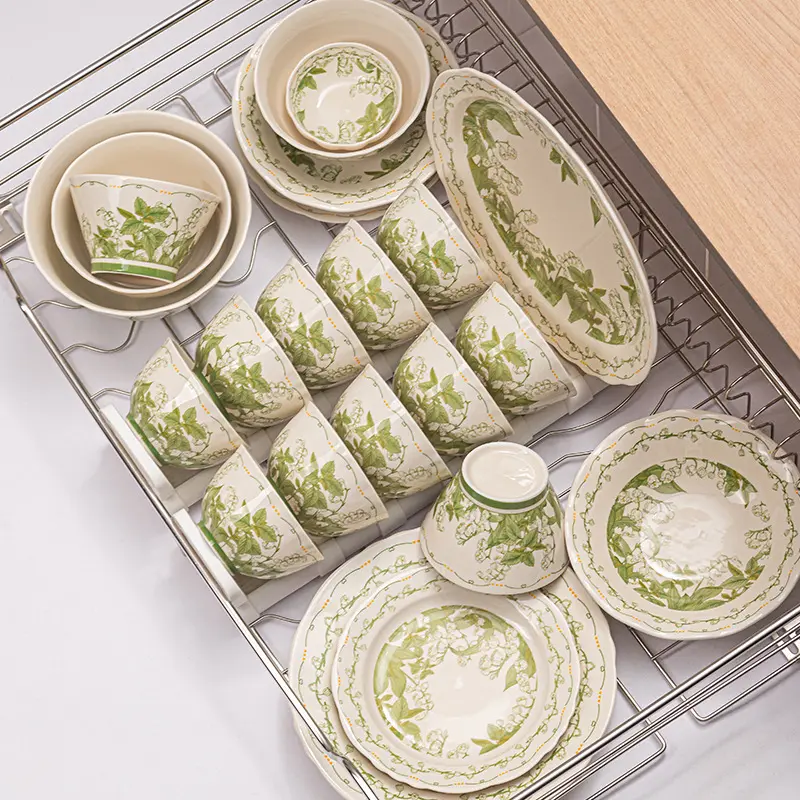
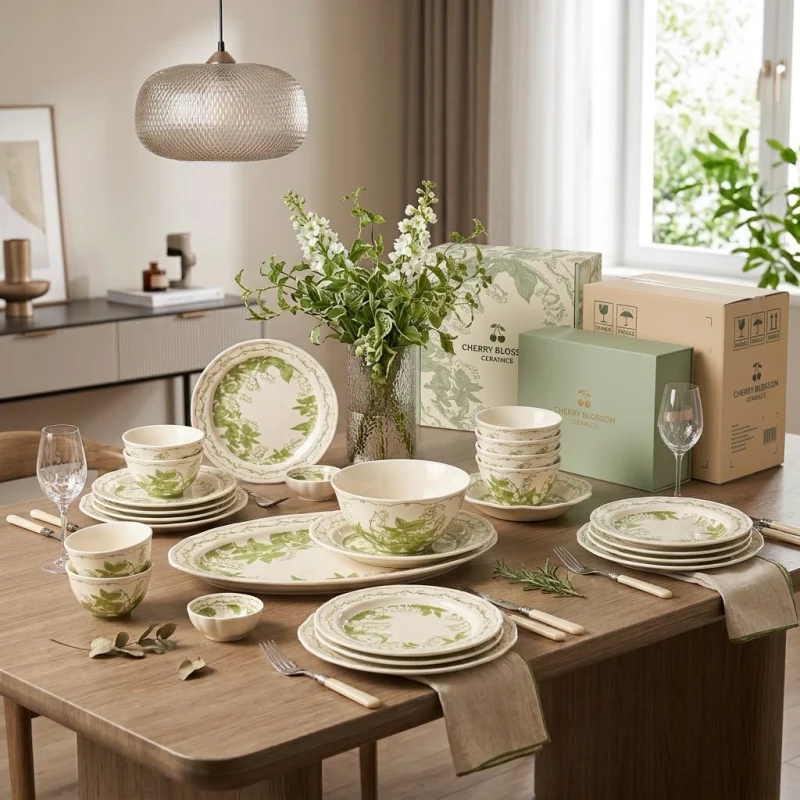
2. كيفية اختيار أطقم الأواني الخزفية لعلامتك التجارية
عند اختيار أواني مائدة خزفية تحمل علامة تجارية خاصة, ، ركّز على تحديد مكانة علامتك التجارية بدلاً من الاكتفاء بمقارنة أسعار المنتجات الفردية.
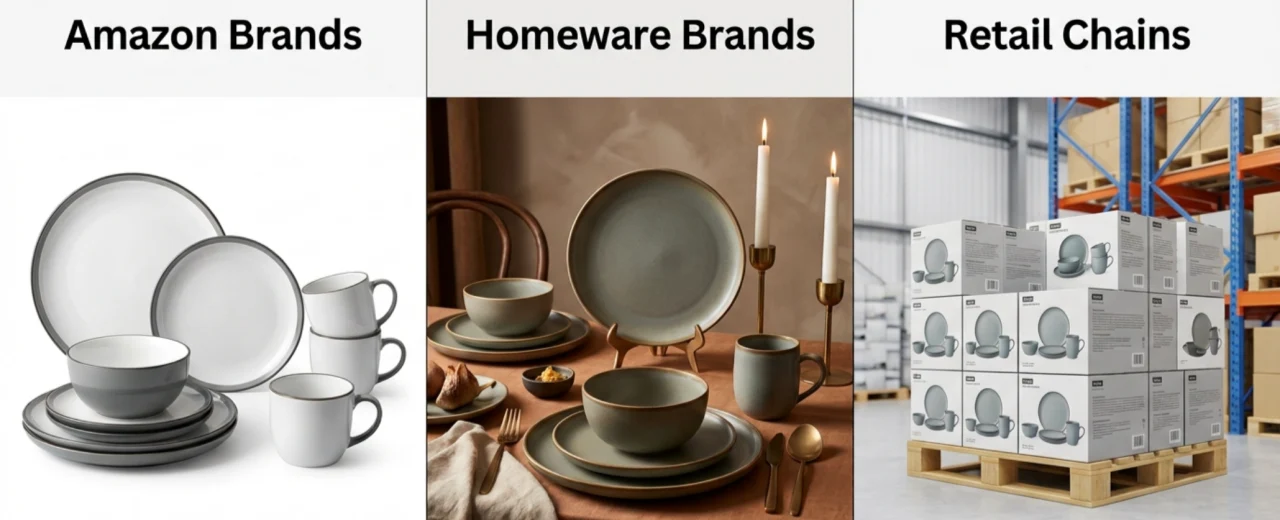
بالنسبة للعلامات التجارية على «أمازون»، يتعين على المنتجات عمومًا أن تحقق التوازن بين الجاذبية البصرية، وسلامة الشحن، وهوامش الربح، وأداء التقييمات. وقد تولي العلامات التجارية المتخصصة في الأدوات المنزلية اهتمامًا أكبر بأسلوب المجموعات، وتنسيق الألوان، واتساق المنتجات. أما سلاسل المتاجر، فتركز عادةً بشكل أكبر على استقرار الإمدادات، وتوحيد معايير المنتجات، وكفاءة التغليف، والقدرة على إعادة التزويد بالمنتجات على المدى الطويل.
يمكن للمشترين تقييم المنتجات بناءً على المعايير التالية:
أداء المواد والمنتجات
تؤثر المواد الخزفية المختلفة على الوزن، والقوة، وامتصاص الماء، والمظهر، والتكلفة. قبل الشراء، تأكد من نوع المادة والغرض المقصود من الاستخدام، وتأكد من الامتثال للوائح السلامة المتعلقة بالتلامس مع الأغذية ومعايير الاختبار ذات الصلة بالسوق المستهدف.
الطلاء الزجاجي والتشطيب السطحي
يؤثر الطلاء الزجاجي بشكل مباشر على الجاذبية البصرية لأواني المائدة. فالطلاء الزجاجي اللامع يناسب الأنماط التقليدية أو تلك المخصصة للسوق الشامل، في حين أن الطلاء الزجاجي غير اللامع يُعد خيارًا مثاليًّا للعلامات التجارية المنزلية العصرية؛ أما الطلاء الزجاجي التفاعلي فيضفي مظهرًا مميزًا يشبه الصنع اليدوي وطابعًا بصريًّا فريدًا.
إذا كانت إحدى العلامات التجارية تخطط لبيع نفس المجموعة على المدى الطويل، فإن اتساق الألوان عبر الدفعات أمر بالغ الأهمية. وقد تظهر الطلاءات الزجاجية التي تتسم بتباينات طبيعية — مثل الطلاءات التفاعلية — بعض الاختلافات اللونية بطبيعتها؛ ولذلك، يجب وضع معايير للألوان ونطاقات مقبولة للتباين البصري قبل تقديم الطلبات بالجملة.

حجم المنتج ووزنه
يُعد الحجم والوزن عاملين مهمين بشكل خاص بالنسبة للعلامات التجارية على «أمازون». فأواني الطعام الخزفية شديدة الثقل لا تؤدي فقط إلى زيادة تكاليف الشحن الدولي، بل تؤدي أيضًا إلى ارتفاع نفقات التخزين والتوزيع. وبالتالي، يجب أن يحقق تصميم المنتج توازنًا بين تجربة المستخدم وأبعاد العبوة وتكاليف الخدمات اللوجستية.
نصيحة بسيطة: بدلاً من الاكتفاء بسؤال “كم يبلغ سعر هذا المنتج؟”، قارن التكلفة الإجمالية، بما في ذلك سعر المنتج، والتغليف، والكمية في كل كرتونة، ووزن الكرتونة، وتكلفة الشحن الدولي.
3. خيارات التخصيص لأطقم الأواني الخزفية التي تحمل العلامة التجارية الخاصة
مستوى التخصيص لـ أواني مائدة خزفية تحمل علامة تجارية خاصة يمكن تعديلها بمرونة وفقًا لميزانية العلامة التجارية وحجم مبيعاتها؛ وهذا لا يعني بالضرورة أن كل مشروع يتطلب صنع قوالب جديدة.
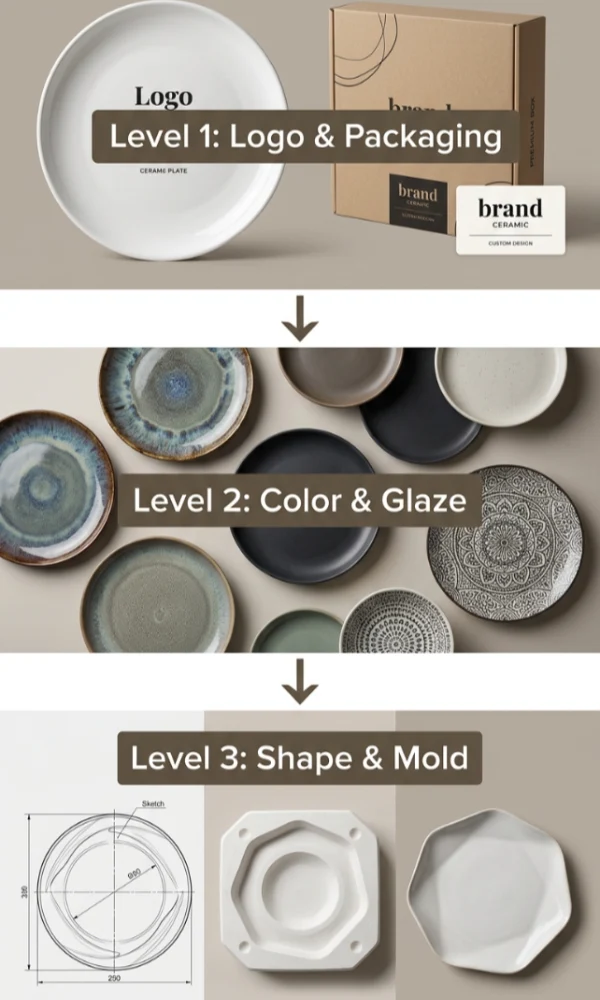
بالنسبة لمعظم العلامات التجارية، يمكن تصنيف التخصيص إلى ثلاث مستويات بناءً على مدى عمقه.
المستوى 1: تخصيص الشعار والتغليف
يُعد هذا النهج الأنسب للعلامات التجارية الجديدة والمشترين من الشركات الصغيرة والمتوسطة الحجم. ويشمل طباعة الشعار، وملصقات الشعار، وملصقات العلامة التجارية، والعلب الملونة، وعلب الهدايا، وبطاقات التعليمات، وتصميمات الكرتون الخارجي.
ونظرًا لأن هذه الطريقة لا تتطلب عادةً إجراء أي تعديلات على التصميم الهيكلي للمنتج، فإن درجة تعقيد عملية التطوير تكون منخفضة نسبيًا. ويمكن للعلامات التجارية التابعة لأمازون التي تختبر السوق للمرة الأولى اعتماد هذا النموذج للتحقق من أداء المبيعات.
المستوى 2: تخصيص اللون والطلاء الزجاجي والنقش
بمجرد أن تحقق العلامة التجارية بيانات مبيعات مستقرة، يمكنها المضي قدمًا في تخصيص الألوان وتأثيرات التزجيج والأنماط أو التشطيبات السطحية. على سبيل المثال، يمكن تعديل طبق عشاء أبيض قياسي ليصبح بلون بيج أو رمادي أو أخضر خاص بالعلامة التجارية، مع تصميمات متسقة للشعار والتغليف.
يعزز هذا النهج بشكل كبير من التعرف على العلامة التجارية، مع الحفاظ عمومًا على التكاليف في حدود معقولة مقارنةً بصنع قوالب جديدة تمامًا.
المستوى 3: تخصيص الأشكال والقوالب
إذا رغبت إحدى العلامات التجارية في ابتكار أشكال فريدة للأطباق أو الأوعية أو دمج هياكل وظيفية متخصصة، فقد يكون من الضروري تطوير قوالب جديدة. وهذا يمثل مستوى أعمق من أواني الطعام الخزفية المخصصة التطوير، الذي ينطوي على اعتبارات مثل تكاليف القوالب، والجداول الزمنية للتطوير، ومراحل إنتاج النماذج الأولية، وارتفاع الحد الأدنى لكميات الطلب (MOQs).
لذلك، ينبغي على المشترين اختيار المستوى المناسب من التخصيص بناءً على حجم المبيعات المتوقع. أما بالنسبة للعلامات التجارية التي دخلت السوق للتو، فلا داعي لتحمل تكاليف تطوير مفرطة لمجرد التميز.
4. الحد الأدنى لكمية الطلب: لماذا يُعد المرونة في الطلب أمرًا مهمًا للعلامات التجارية العالمية
يُعد الحد الأدنى لكمية الطلب (MOQ) عاملاً حاسماً عند التوريد أواني مائدة خزفية تحمل علامة تجارية خاصة.
ينطوي التصنيع التقليدي للسيراميك على تكاليف مرتبطة بالقوالب والطلاء الزجاجي وجدولة أفران الحرق والتعبئة والتغليف، مما يؤدي إلى تباينات كبيرة في الحد الأدنى لكمية الطلب (MOQ) بين المنتجات المختلفة. وفي حين يمكن لسلاسل البيع بالتجزئة الكبيرة الاستفادة من الشراء بالجملة لتوزيع تكاليف الإنتاج، فإن الحد الأدنى لكمية الطلب المفرط قد يؤدي إلى تراكم المخزون الزائد لدى العلامات التجارية التابعة لأمازون والعلامات التجارية الناشئة في مجال الأدوات المنزلية. تتضمن استراتيجية الشراء الأكثر عقلانية تحديد أحجام الطلبات بناءً على دورة حياة المنتج:
| مرحلة المنتج | استراتيجية الشراء الموصى بها |
|---|---|
| اختبار السوق | اختر منتجات جاهزة للاستخدام ومتوفرة في الأسواق للمشتريات بكميات صغيرة |
| نمو المبيعات | زيادة حجم الطلبات وإضافة شعارات أو عبوات مخصصة |
| مبيعات ثابتة | تخصيص الألوان والطلاء الزجاجي ومجموعات/مجموعات المنتجات |
| الأكثر مبيعًا | فكر في التصاميم الحصرية أو تطوير قوالب جديدة |
كميات الطلب الدنيا (MOQs) ليست أرقامًا ثابتة؛ فهي تعتمد على المنتج المحدد وتفاصيل التخصيص ومتطلبات الإنتاج. لذلك، عند طلب عرض أسعار، يجب ألا يكتفي المشترون بالسؤال “ما هي الكمية الدنيا للطلب؟” فحسب، بل يجب عليهم أيضًا تقديم معلومات مثل طراز المنتج، والكمية، وطريقة وضع الشعار، واللون، والتغليف، والسوق المستهدفة.
يمكن لشركة «يونغجيان» تحديد الحد الأدنى لكمية الطلب (MOQ) بناءً على المنتجات المحددة واحتياجات التخصيص، مما يوفر للمشترين خيارات أكثر مرونة في تقديم الطلبات. وبالنسبة للعلامات التجارية التي تسعى إلى اختبار منتجات جديدة، فإن هذه المرونة تقلل من الاستثمار الأولي في المخزون وتتيح التوسع التدريجي في حجم الطلبات بناءً على ردود فعل السوق.
5. كيفية اختيار مورد لأدوات المائدة الخزفية من مصنعي المعدات الأصلية (OEM)
عند اختيار مورد أدوات المائدة الخزفية من الشركات المصنعة للمعدات الأصلية (OEM), ، لا ينبغي الاكتفاء بمقارنة الأسعار فقط. يجب أن يتمتع المورد المناسب بقدرات في مجالات تطوير المنتجات، ومراقبة الجودة، وتنفيذ الطلبات الدولية، إلى جانب خبرة واسعة في مجال التصنيع.
يُنصح المشترون بالتركيز على المجالات الخمسة التالية:
① مجموعة المنتجات
هل يستطيع المورد توفير مجموعة شاملة من المنتجات، مثل الأطباق والأوعية والأكواب وأواني الخبز؟ فوجود مجموعة منتجات أوسع يسهل على العلامة التجارية إنشاء مجموعة متناسقة.
② الخبرة في مجال التصنيع
تؤثر الخبرة في صناعة السيراميك على اتساق المنتج، والتحكم في الطلاء الزجاجي، واستقرار عملية الحرق، وقدرات الإنتاج الضخم. وبالنسبة للشراكات طويلة الأمد، على وجه الخصوص، فإن استقرار الإنتاج أكثر أهمية من السعر المنخفض لطلبية واحدة.
③ القدرة على التخصيص
تأكيد خدمات تصنيع أطقم أواني الطعام الخزفية حسب الطلب المتاحة — مثل تطبيق الشعار، واللون، والطلاء الزجاجي، والأنماط، والتغليف، وتطوير القوالب — وتوضيح الحد الأدنى لكمية الطلب (MOQ) ومدة تطوير كل طريقة من طرق التخصيص.
④ مراقبة الجودة
قبل الشراء، تحقق من إجراءات مراقبة الجودة، بما في ذلك فحوصات الأبعاد والمظهر وجودة الطلاء الزجاجي، بالإضافة إلى اختبارات السقوط على العبوات واختبارات سلامة التلامس مع الأغذية. بالنسبة للعلامات التجارية التي تستهدف الأسواق الأوروبية والأمريكية، تأكد من الامتثال للوائح ومتطلبات الاختبار المحددة في بلدان المقصد.
⑤ التوريد وإعادة الطلب
غالبًا ما تتطلب العلامات التجارية لأدوات المائدة إعادة التزويد المستمر بالبضائع؛ ولذلك، ينبغي على المشترين توضيح الإجراءات المتعلقة بالموافقة على العينات، والإنتاج الضخم، والتعبئة والتغليف، وتحميل الحاويات، وطلبات إعادة الشراء اللاحقة، وذلك قبل وقت كافٍ من الموعد المحدد.
يُعد استقرار الإمداد أمرًا بالغ الأهمية بالنسبة لسلاسل المتاجر، أما بالنسبة لعلامات أمازون التجارية، فإن إعادة التزويد السريع بالمخزون يمكن أن تؤثر بشكل مباشر على تصنيفات المنتجات واستمرارية المبيعات. وبالتالي، فإن الشركة المصنعة القادرة على توفير إمداد مستقر وطويل الأمد من أواني مائدة خزفية بعلامة تجارية خاصة غالبًا ما يكون شريكًا أفضل من المورد الذي يكتفي بتقديم أقل سعر.

الخلاصة: إنشاء خط إنتاج قابل للتوسع لأدوات المائدة التي تحمل علامة تجارية خاصة
بالنسبة للعلامات التجارية العالمية،, أواني مائدة خزفية بعلامة تجارية خاصة توفر طريقة فعالة لدخول سوق أدوات المائدة الخزفية، وإبراز تميّز العلامة التجارية، وتوسيع خطوط إنتاج الأدوات المنزلية. ولا يحتاج المشترون إلى الاستثمار بكثافة في تطوير منتجات فريدة تمامًا من الصفر؛ بل يمكنهم البدء بمنتجات معروفة، ثم بناء هوية مميزة للعلامة التجارية تدريجيًّا من خلال تخصيص الشعارات والتغليف والألوان والطلاء الزجاجي.
يمكن للعلامات التجارية على «أمازون» أن تبدأ باختبار المنتجات على نطاق ضيق وبمخاطر منخفضة؛ ويمكن للعلامات التجارية المتخصصة في الأدوات المنزلية أن تبني مجموعات كاملة تستند إلى أنظمة ألوان وتصاميم موحدة؛ وينبغي لسلاسل المتاجر أن تعطي الأولوية لاستقرار الإمدادات، ومراقبة الجودة، وقدرات إعادة التزويد على المدى الطويل.
لا تركز استراتيجية التوريد الفعالة حقًّا على العثور على أدوات المائدة “بأقل سعر”، بل على تحقيق التوازن الأمثل بين جودة المنتج، وإمكانيات التخصيص، والحد الأدنى لكميات الطلب، ومدد التسليم، وموثوقية التوريد على المدى الطويل. إن الشراكة مع شركة تصنيع توفر خدمات مرنة في مجال الطلبات وخدمات تخصيص متدرجة تتيح للعلامات التجارية الانتقال بسلاسة من مرحلة اختبار السوق إلى مرحلة الشراء على نطاق واسع.
نبذة عن سيراميك يونغجيان
تأسست في عام 1990،, سيراميك يونغجيان هو الشركة المصنعة لأدوات المائدة الخزفية متخصصة في الإنتاج والبيع بالجملة. وتشمل مجموعة منتجاتها فئات مثل الأطباق الخزفية، والأوعية، والأكواب، وأواني الخبز، والملاعق. وتمتلك الشركة مخزونًا يزيد عن 10,000 صنف متوفر في المخزون وتصدر إلى أكثر من 100 دولة ومنطقة.
بفضل خبرتها الطويلة في إنتاج وتصدير السيراميك،, يونغجيان يمكنها تزويد العلامات التجارية التابعة لأمازون، والعلامات التجارية للأدوات المنزلية، وسلاسل المتاجر بالتجزئة بحلول مرنة بدءًا من عمليات شراء المنتجات الراسخة وصولاً إلى أواني مائدة خزفية بعلامة تجارية خاصة التخصيص، بما في ذلك الشعار والتغليف واللون والطلاء الزجاجي وغيرها من الاحتياجات المخصصة.
تعتمد كمية الطلب الدنيا لدى شركة يونغجيان على المنتج المحدد ومتطلبات التخصيص. يمكن للمشترين إرسال المنتجات المستهدفة والكميات التقديرية ومحتوى التخصيص واحتياجات السوق إلى فريق المبيعات، وسيقوم فريق المبيعات بتأكيد كمية الطلب الدنيا المناسبة والسعر والعينات وخطط الإنتاج، مما يساعد العلامات التجارية على إنشاء خطوط إنتاجها الخاصة من أدوات المائدة الخزفية بطريقة أكثر مرونة.