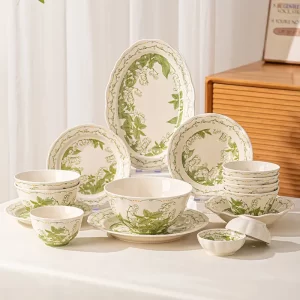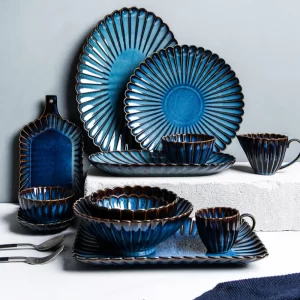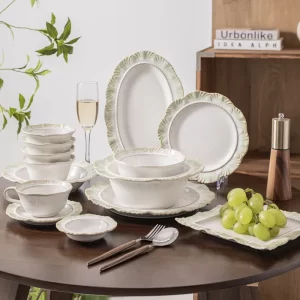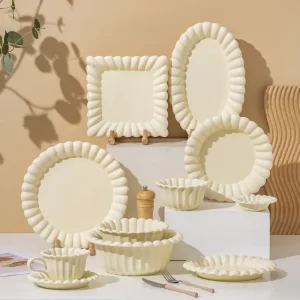

Heutzutage muss Geschirr in der Agrarindustrie Lebensmittel aufnehmen und wirkt sich direkt auf die Präsentation der Speisen, das Markenimage und das Kundenerlebnis aus. In der Gemeinschaftsverpflegung, insbesondere in Kettenrestaurants und bei Hotelbuffets, sind Schüsseln weit verbreitet - von Suppen über Hauptgerichte bis hin zu Desserts, alles was man braucht, ist professionelles Geschirr. Infolgedessen achten immer mehr Einkäufer in der Gastronomie auf die Materialien, Spezifikationen, Haltbarkeit und Anpassungsmöglichkeiten von Großhandel mit Keramikschalen.
Auswahl von Großhandel mit Keramikschalen ist eine Frage der Begrenzung, nicht nur der Kostenbegrenzung. Stapeln, brechen, lagern und finanzieren. Um den Einkäufern in der Gastronomie zu helfen, intelligentere Beschaffungsentscheidungen zu treffen, werden in diesem Artikel Aspekte wie Materialauswahl, Größengestaltung, Haltbarkeitskriterien, Stapelung und Lagerung, Personalisierung und Markenbildung umfassend beleuchtet.
Materialauswahl: Der Hauptunterschied zwischen Porzellan und Steingut
Beim Kauf Großhandel Keramikschalen, ist das Material das wichtigste Kriterium. Zu den wichtigsten Materialien auf dem Markt gehören derzeit Hochtemperaturporzellan und Steinzeug.
Hochtemperaturporzellan zeichnet sich durch eine hohe Dichte, eine sehr geringe Wasseraufnahme und eine glatte und empfindliche Oberfläche aus, was es für den Einsatz als hochwertiges Geschirr in der Gastronomie und im Hotelgewerbe geeignet macht. Seine Vorteile sind die hohe Festigkeit, die gute Wasserundurchlässigkeit und die Tatsache, dass es nicht leicht Ölflecken oder Gerüche aufnimmt. Steingut ist etwas dicker und hat ein rustikaleres Aussehen, das sich perfekt für die Freizeitgastronomie oder ein Spezialitätenrestaurant eignet.
Recht auf Lebensmittelsicherheit, qualifiziert Großhandel Keramikschalen wird lebensmittelechte Glasur sein, und die Prüfung wird bestanden. Produkte, die bei hohen Temperaturen (mehr als 1200 °C) gebrannt werden, werden für den häufigen Gebrauch in der Gastronomie empfohlen, um thermische Stabilität und langfristige Haltbarkeit zu gewährleisten.
Professionelle Beratung:
- Gehobene Restaurants → Bevorzugen Porzellanschalen mit hohem Weißgrad
- Casual Dining → Erwägen Sie dickwandiges Steingut für erhöhte Haltbarkeit
- Buffet-Restaurants → Empfehlen Sie verstärkte Felgendesigns

Größe und Kapazität: Anpassung an verschiedene Speiseszenarien
Die verschiedenen Arten von Restaurants haben sehr unterschiedliche Kapazitätsanforderungen für Großhandel Keramikschalen. Zum Beispiel:
- 4-6 Zoll große Schälchen: Geeignet für Saucen, Desserts und Beilagen
- 6-7 Zoll große mittelgroße Schalen: Geeignet für Reis und Suppen
- 8 Zoll und mehr tiefe Schüsseln: Geeignet für Nudeln, Salate und Hauptgerichte
Die Beschaffung sollte entsprechend der Menüstruktur geplant werden. So benötigt ein japanisches Restaurant möglicherweise eine Vielzahl von Größen, während ein westliches Restaurant eine einheitlichere Größe bevorzugt, um die Koordination beim Anrichten zu verbessern.
Darüber hinaus wirkt sich das Verhältnis von Tiefe und Durchmesser der Schale auch auf die optische Präsentation aus. Tiefe Schalen eignen sich besser für Suppen und Nudeln, während flache Schalen besser für elegante Platten geeignet sind. Bei der Auswahl Großhandel Keramikschalen, Berücksichtigen Sie das Fassungsvermögen (ml), den Durchmesser (cm) und die Höhe (cm) umfassend und vermeiden Sie eine Beurteilung allein nach dem Aussehen.
Tipps für die Beschaffung:
- Es wird empfohlen, Stichprobentests durchzuführen, um die tatsächliche Servierwirkung zu beurteilen.
- Standardisierte Spezifikationen erleichtern die Lagerverwaltung.
- Die Kontrolle der Anzahl der SKUs pro Artikel verbessert die Effizienz des Nachschubs.


Langlebigkeit und Dicke: Langfristig die Betriebskosten senken
Im Gaststättengewerbe stellt die Verschwendung von Geschirr einen erheblichen Kostenfaktor dar. Hochwertige Großhandel Keramikschalen sollte die folgenden Merkmale aufweisen:
- Verdicktes Felgendesign (erhöht die Widerstandsfähigkeit gegen Abplatzungen)
- Gleichmäßige Dicke (vermeidet ungleichmäßige Erwärmung)
- Struktur mit hoher Dichte (reduziert Rissbildung)
Im Allgemeinen ist eine Dicke von 3,5 bis 6 mm für handelsübliche Keramikschüsseln angemessen. Zu dünn sind sie bruchgefährdet, zu dick erhöhen sie das Gewicht und die Transportkosten.
Im Hochtemperaturzyklus des Geschirrspülers ist die Temperaturwechselbeständigkeit besonders wichtig. Es wird empfohlen, Produkte zu wählen, die Temperaturschocktests bestanden haben, um eine langfristige Stabilität zu gewährleisten. Die Investition in hochwertige Großhandel Keramikschalen, ist zwar pro Einheit etwas teurer, kann aber die jährlichen Wiederbeschaffungskosten erheblich senken.
Stapeln und Lagern: Verbesserung der Betriebseffizienz
Für Kettenrestaurants und Großkantinen ist der Stauraum ebenso wichtig wie die Effizienz der Essenszubereitung. Gut durchdacht Großhandel Keramikschalen sollten hervorragende Stapelfähigkeiten haben.
Zu den wichtigsten Überlegungen gehören:
- Rutschfestes Bodendesign
- Stabiles Stapeln
- Einfache Trennung
Eine instabile Stapelung erhöht das Risiko von Stürzen und verursacht zusätzliche Verluste. Außerdem verbessern einheitliche Schalengrößen die Effizienz des Trolley-Transports.
Die Daten zeigen, dass stapelbares Geschirr die Lagernutzung um etwa 15% erhöhen kann. Dies ist besonders wichtig für Kunden, die Großhandel Keramikschalen in großen Mengen.
Personalisierung und Branding: Das Image des Restaurants verbessern
Mit dem zunehmenden Trend zum Branding entscheiden sich immer mehr Restaurants für eine individuelle Gestaltung Großhandel Keramikschalen mit ihrem Logo.
Zu den gängigen Anpassungsmethoden gehören:
- Unterglasurdruck
- Lasergravur
- Siebdruck
Der Unterglasurdruck ist verschleißfester und abwaschbar und eignet sich für den häufigen Gebrauch. Das Logo sollte so platziert werden, dass es die Präsentation der Speisen nicht beeinträchtigt; im Allgemeinen wird es am Boden oder am inneren Rand der Schale angebracht.
Für kleine und mittlere Restaurants ist eine flexible Mindestbestellmenge (MOQ) besonders wichtig. Die Wahl von Lieferanten, die niedrige MOQs unterstützen, kann den Druck auf die Lagerbestände verringern und das Testen neuer Markendesigns erleichtern.
Schlussfolgerung
Die Auswahl der geeigneten Großhandel Keramikschalen ist kein einmaliger Kauf, sondern wichtig für das Restaurant, den Aufbau der Kultur und das Restaurantmanagement. Jedes Detail, vom Material und der Größe bis hin zur Haltbarkeit und der Verschachtelung, hat Auswirkungen auf die langfristigen Kosten und den Kundenservice des Restaurants.
In der immer wettbewerbsintensiveren Gastronomiebranche können Keramikschüsseln in Restaurantqualität einem Gastronomiebetrieb einen Vorteil in Bezug auf Präsentation, Effizienz und Image verschaffen. Den Einkäufern in der Gastronomie wird daher empfohlen, ihren eigenen Bedarf sorgfältig zu analysieren, bevor sie eine Bestellung aufgeben, und mit dem Hersteller auf technischer Basis zu kommunizieren, um eine bessere Lösung zu finden.
Über Yongjian Ceramics
Gegründet 1990, Yongjian-Keramik ist eine professionelle Hersteller von Keramikgeschirr spezialisiert auf die Herstellung und den Großhandel von Keramiktellern, Schüsseln, Tassen, Backformen und Löffeln. Wir haben umfangreiche Erfahrung mit kundenspezifischem Keramikgeschirr und können flexible Lösungen für Catering-Kunden anbieten.
Unser Großhandel Keramikschalen werden in einem Hochtemperatur-Brandverfahren hergestellt, das sowohl Ästhetik als auch Haltbarkeit gewährleistet. Die Mindestbestellmenge (MOQ) ist niedrig und ermöglicht den Kunden eine flexible Auftragsvergabe. Die Mindestbestellmenge hängt vom jeweiligen Produktmodell ab; bitte kontaktieren Sie unser Verkaufsteam für weitere Informationen.

FAQ
1. Sind Großhandels-Keramikschüsseln mikrowellen- und spülmaschinenfest?
Bei hohen Temperaturen gebrannte Produkte, die den Normen für Lebensmittel entsprechen, sind in der Regel für die Mikrowelle und die gewerbliche Spülmaschine geeignet.
2. Was ist die Mindestbestellmenge (MOQ)?
Die Mindestbestellmenge variiert je nach den Spezifikationen und Anpassungsanforderungen; bitte kontaktieren Sie unser Verkaufsteam für eine Bestätigung.
3. Unterstützen Sie individuelle Farben und Größen?
Es unterstützt die Anpassung verschiedener Glasurfarben, Größen und Logos und kann neue Formen entsprechend den Anforderungen der Marke entwickeln.