
Für Käufer, die in den europäischen Markt einsteigen, ist die Auswahl eines Hersteller von Keramikgeschirr die den EU-Vorschriften für Materialien mit Lebensmittelkontakt entspricht – und bleifreie Glasuren, umweltfreundliche Produktionsverfahren sowie eine strenge Qualitätskontrolle bietet –, ist entscheidend, um Handelsrisiken zu minimieren, die Wettbewerbsfähigkeit der Marke zu steigern und langfristige Partnerschaften aufzubauen.
In den letzten Jahren hat sich Keramikgeschirr – angetrieben durch das wachsende Umweltbewusstsein der europäischen Verbraucher und immer strengere EU-Vorschriften für Materialien, die mit Lebensmitteln in Berührung kommen – über einen bloßen Alltagsgegenstand hinaus entwickelt; es ist zu einem wichtigen Mittel für Marken geworden, um ihr Engagement für Nachhaltigkeit und Produktqualität unter Beweis zu stellen.
Unabhängig davon, ob es sich um große Einzelhändler, Supermarktketten, Gastronomiekonzerne oder aufstrebende Marken für Haushaltswaren handelt – der Fokus liegt mittlerweile darauf, ob Produkte bleifreie Materialien verwenden und Umweltstandards erfüllen sowie darauf, ob Lieferanten über konsistente und zuverlässige Fertigungskapazitäten verfügen. Nachhaltige Beschaffung ist zu einem entscheidenden Faktor bei Beschaffungsentscheidungen in Europa geworden.
Für viele Importeure besteht die eigentliche Herausforderung jedoch nicht darin, einfach nur eine Fabrik zu finden, die Keramikgeschirr herstellen kann, sondern einen Partner zu finden, der die Vorschriften des europäischen Marktes, die Qualitätsstandards und die Markenanforderungen wirklich versteht. Dieser Artikel analysiert zentrale Aspekte im Zusammenhang mit der Beschaffung von Keramikgeschirr für den europäischen Markt, wodurch Einkäufer Risiken minimieren und die Effizienz ihrer Beschaffungsprozesse steigern können.
Warum räumt der europäische Markt bleifreiem Keramikgeschirr zunehmend Vorrang ein?
In den letzten Jahren haben zahlreiche europäische Länder die Vorschriften für Materialien, die mit Lebensmitteln in Berührung kommen, verschärft. Den Verbrauchern geht es nicht mehr nur um Ästhetik; Sicherheit und Gesundheit haben oberste Priorität.
Was Geschirr aus Keramik betrifft, besteht eines der Hauptrisiken in der Migration von Blei und Cadmium aus der Glasur.
Obwohl die moderne Keramikproduktionstechnologie den Einsatz bleifreier Glasuren ermöglicht, kann es bei einigen Produkten der unteren Preisklasse aufgrund unzureichender Kontrollen der Rohstoffe oder der Brennverfahren nach wie vor zu einer übermäßigen Auswaschung von Schwermetallen kommen. Europäische Käufer legen in der Regel den Schwerpunkt auf die folgenden Schlüsselbereiche:
- Verwendung von bleifreien Glasuren
- Einhaltung der EU-Vorschriften für Materialien, die mit Lebensmitteln in Berührung kommen
- Möglichkeit, Prüfberichte von unabhängigen Stellen vorzulegen
- Gleichbleibende Chargenqualität
Für namhafte Kunden wiegt der durch einen Produktrückruf verursachte Imageschaden weitaus schwerer als die ursprünglichen Anschaffungskosten. Daher bevorzugen sie Hersteller von Keramikgeschirr mit soliden Qualitätsmanagementsystemen gegenüber solchen, die lediglich den niedrigsten Preis anbieten.
Immer mehr große Einzelhändler verlangen von ihren Lieferanten sogar umfassende Nachweise zur Rückverfolgbarkeit der Materialien, um Transparenz über die gesamte Lieferkette hinweg zu gewährleisten.
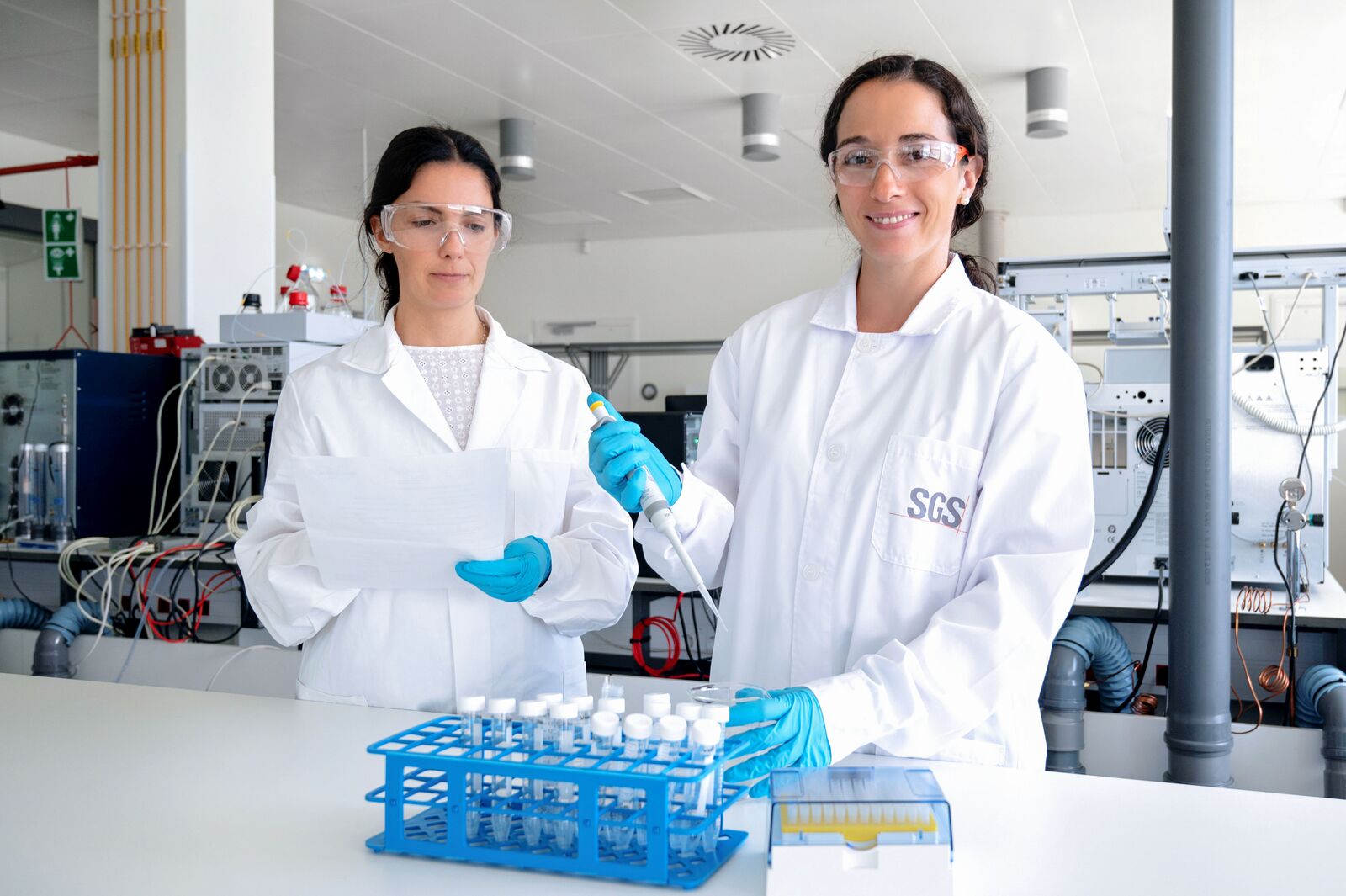
Umweltfreundliches Keramikgeschirr: Ein neuer Trend in der europäischen Beschaffung
Ökologische Nachhaltigkeit hat sich von einem bloßen Marketingargument zu einer grundlegenden Anforderung bei der Beschaffung entwickelt.
Entsprechend den Trends auf dem europäischen Markt stellen immer mehr Marken höhere Anforderungen umweltfreundliches Geschirr aus Keramik, gekennzeichnet durch:
Verwendung umweltfreundlicher Rohstoffe
Hochwertiger Naturton minimiert Verunreinigungen, verbessert die Produktstabilität und verringert das Risiko von Schadstoffen.
Energieeffiziente Brennverfahren
Moderne Brennöfen senken den Erdgasverbrauch, verbessern die Gleichmäßigkeit des Brennvorgangs und reduzieren gleichzeitig die CO₂-Emissionen.
Reduzierung von Produktionsabfällen
Etablierte Fabriken weisen in der Regel folgende Merkmale auf:
- Tonabfälle recyceln und wiederverwenden
- Glasurmaterialien zurückgewinnen
- Produktionsprozesse optimieren, um die Fehlerquote zu senken
Diese Maßnahmen senken nicht nur die Herstellungskosten, sondern stehen auch im Einklang mit den ESG-orientierten Beschaffungsgrundsätzen, die von europäischen Kunden zunehmend geschätzt werden.
Zudem fragen immer mehr europäische Kunden nach, ob für die Verpackungen recycelbare Materialien verwendet werden.
Daher bieten führende Hersteller von Keramikgeschirr häufig neben ihren umweltfreundlichen Produkten auch umweltfreundliche Verpackungslösungen an und unterstützen ihre Kunden so dabei, ein umfassendes “grünes” Markenimage aufzubauen.

Wie lässt sich feststellen, ob eine Fabrik für Keramikgeschirr wirklich für den europäischen Markt geeignet ist?
Wenn Einkäufer zum ersten Mal Lieferanten in China suchen, lassen sie sich oft leicht von attraktiven Mustern beeinflussen.
Tatsächlich erfordert eine hervorragende Keramikgeschirrfabrik umfassende Fertigungskapazitäten – es reicht nicht aus, lediglich schöne Muster herzustellen.
Es wird empfohlen, sich auf die folgenden Aspekte zu konzentrieren:
Produktkonsistenz
Der europäische Einzelhandelsmarkt verlangt in der Regel, dass Farbe und Abmessungen über verschiedene Chargen hinweg innerhalb derselben Bestellung einheitlich sind.
Wenn ein Werk nicht in der Lage ist, Farbabweichungen zu kontrollieren, wirkt sich dies unmittelbar auf das Einkaufserlebnis des Endverbrauchers aus. ### Qualitätsmanagementsystem
Etablierte Fabriken setzen in der Regel umfassende Qualitätskontrollprozesse ein, darunter:
- Kontrolle des Rohmaterials
- Prüfung von Halbfertigprodukten
- Stichprobenkontrollen von Fertigprodukten
- Kontrolle der Verpackung
Für jede Phase des Produktionsprozesses werden Standards festgelegt.
OEM- und ODM-Kompetenzen
Immer mehr europäische Marken streben danach, eigene Produktlinien zu entwickeln.
Daher ist die Fähigkeit eines Lieferanten, die folgenden Aspekte zu unterstützen, zu einem entscheidenden Kriterium geworden:
- Logo-Anpassung
- Entwicklung von Glasuren
- Schimmelbildung
- Verpackungsdesign
- Gestaltung des Produktsortiments
Ein wahrhaft professioneller Hersteller von Keramikgeschirr Das Unternehmen liefert nicht nur Produkte, sondern arbeitet auch mit seinen Kunden zusammen, um neue Artikel zu entwickeln und die Wettbewerbsfähigkeit der Marke zu steigern.

Warum entscheiden sich immer mehr Käufer für Keramikgeschirr im Großhandel?
Für Importeure hat das Beschaffungsmodell erhebliche Auswirkungen auf die Kapitaleffizienz.
Zwar bieten herkömmliche Großeinkäufe niedrigere Stückpreise, doch gehen sie mit einem hohen Lagerbestanddruck einher.
Heutzutage entscheiden sich immer mehr europäische Kunden für Großhandel für Keramikgeschirr aus mehreren Gründen:
Geringeres Bestandsrisiko
Die Nachfrage auf dem Markt entwickelt sich rasant weiter.
Dank flexibler Einkaufsmöglichkeiten können Kunden neue Produkte schnell testen, ohne große Lagerbestände vorhalten zu müssen.
Schnellere Produktaktualisierungen
Die Verbraucher schätzen die kontinuierliche Einführung neuer Kollektionen.
Dank der Unterstützung beim Einkauf kleiner Losgrößen können Marken saisonale Produkte schnell auf den Markt bringen.
Flexibleres Kapitalmanagement
Für kleine und mittelgroße Marken ist der Cashflow weitaus entscheidender als das Erreichen des absolut niedrigsten Stückpreises.
Daher bieten Fabriken, die Großhandel für Keramikgeschirr mit niedrigeren Mindestbestellmengen (MOQs) werden immer beliebter.
Es ist wichtig zu beachten, dass die Mindestbestellmengen je nach Produkt variieren, da sich Größe, Verarbeitungsaufwand und Werkzeuganforderungen unterscheiden.
Wir empfehlen, die genaue Mindestbestellmenge vor dem Kauf mit dem Lieferanten abzustimmen, um einen soliden Beschaffungsplan zu erstellen.
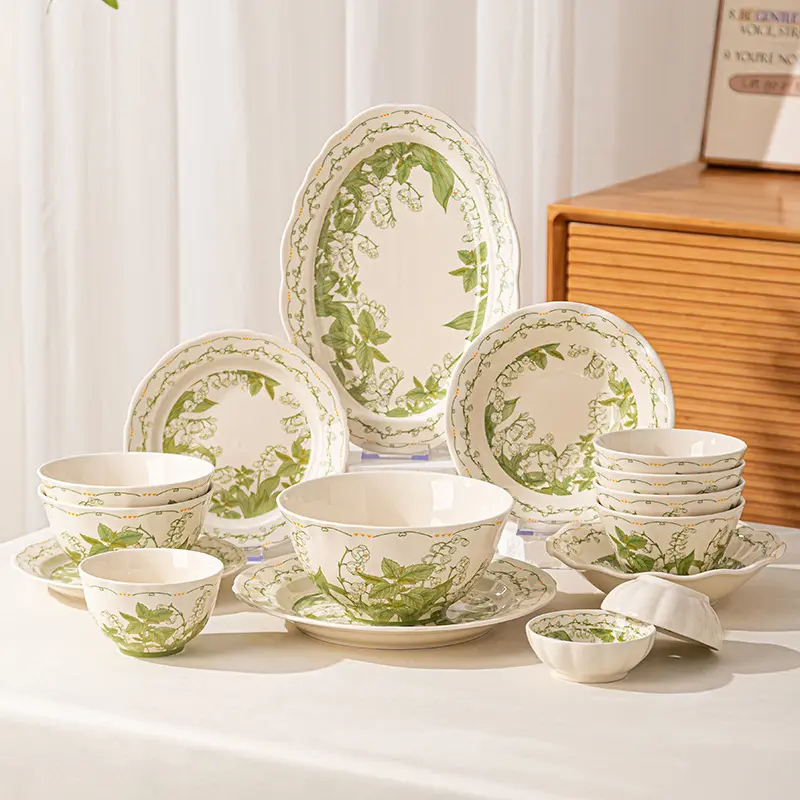
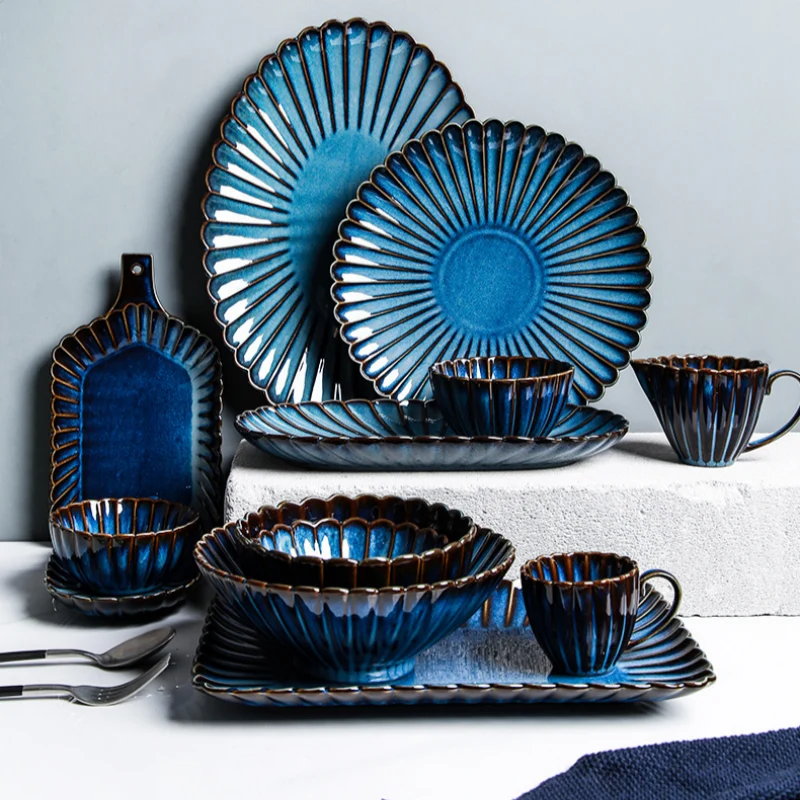
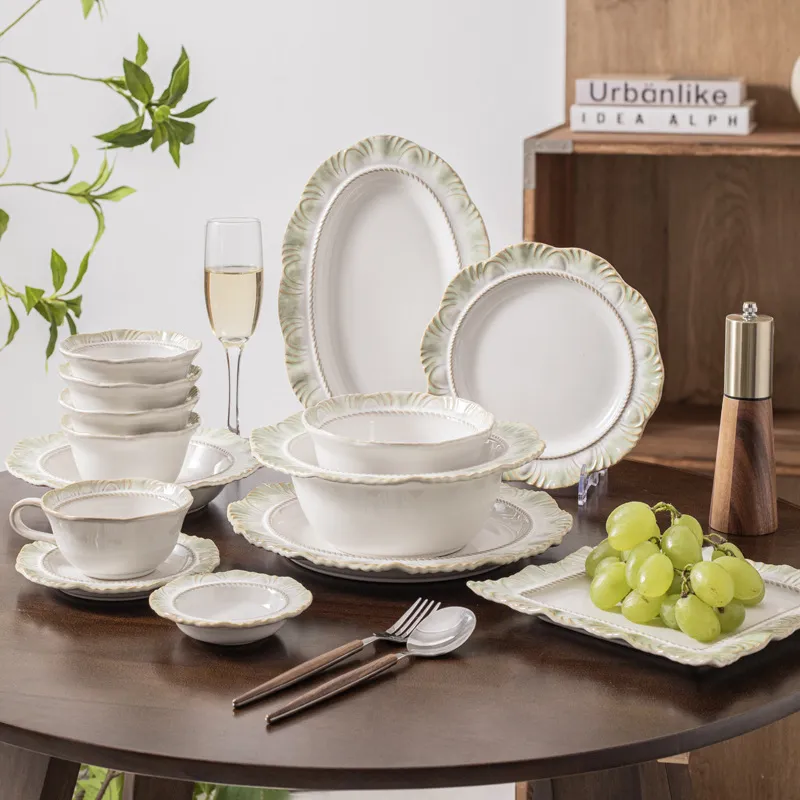
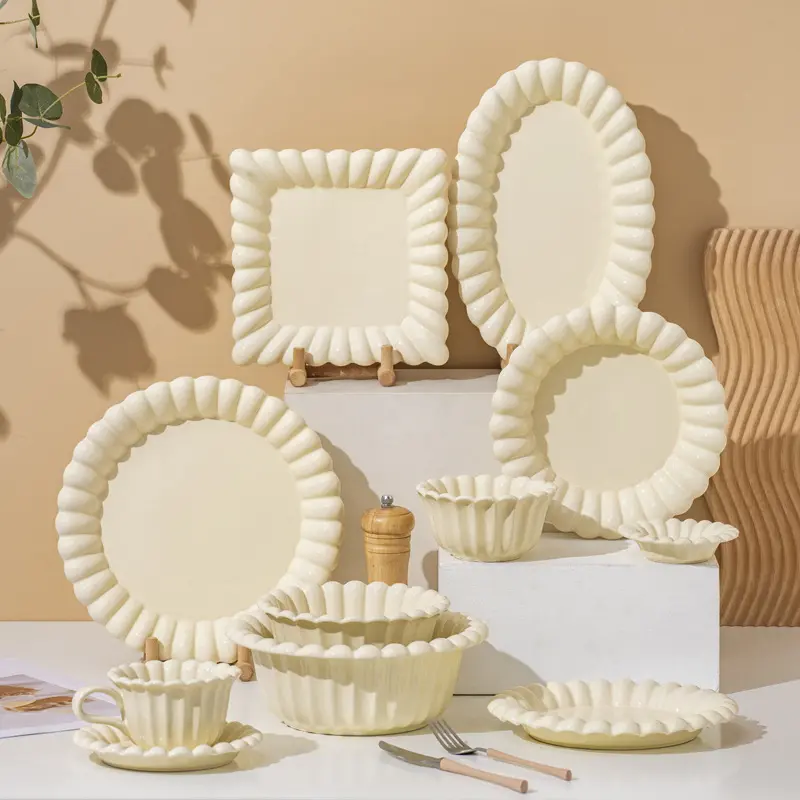
Wie lässt sich eine langfristige, stabile Lieferkette für Keramikgeschirr aufbauen?
Eine erfolgreiche Beschaffung geht über die bloße Erfüllung eines einzelnen Auftrags hinaus; das oberste Ziel ist der Aufbau einer langfristigen Partnerschaft.
Europäische Einkäufer legen in der Regel großen Wert darauf, dass ein Lieferant eine zuverlässige und langfristige Versorgung gewährleisten kann.
Um eine stabile Lieferkette aufzubauen, sollten Sie sich auf folgende Bereiche konzentrieren:
Frühzeitige Einbindung in die Entwicklung neuer Produkte
Die frühzeitige Einbindung des Werks in die Konstruktionsphase trägt dazu bei, die Kosten für spätere Änderungen zu senken.
Erstellung von Standardproben
Alle nachfolgenden Bestellungen werden auf der Grundlage des genehmigten Musters gefertigt.
Regelmäßige Informationen zur Marktnachfrage
Ein hervorragender Lieferant beschränkt sich nicht nur auf die Herstellung von Produkten, sondern gibt auch Einblicke in Markttrends und bietet technische Beratung in Bezug auf die handwerkliche Ausführung. ### Erstellung eines jährlichen Beschaffungsplans
Langfristige Aufträge ermöglichen es den Fabriken, ihre Produktionskapazitäten im Voraus zu planen und gleichzeitig stabilere Liefertermine für die Kunden zu gewährleisten.
Immer mehr internationale Marken stellen von traditionellen Geschäftsbeziehungen auf langfristige strategische Partnerschaften um – ein entscheidender Trend für die Zukunft der Keramikgeschirr Industrie.
Schlussfolgerung
Da der europäische Markt seine Standards in den Bereichen Lebensmittelsicherheit und Umweltschutz verschärft, wird die Beschaffung Keramikgeschirr Es geht dabei um mehr als nur Preisüberlegungen; zunehmend wird Wert auf Produktsicherheit, umweltfreundliche Herstellung, gleichbleibende Qualität und Kompetenzen im Lieferkettenmanagement gelegt.
Für Importeure, Marken und Großhändler bedeutet die Auswahl eines Herstellers, der die europäischen gesetzlichen Anforderungen erfüllt und über kontinuierliche Innovationsfähigkeit verfügt, eine wirksame Reduzierung der Beschaffungsrisiken und trägt zum Aufbau langfristiger Wettbewerbsvorteile bei.
Darüber hinaus sind Funktionen wie die Unterstützung von Großhandel für Keramikgeschirr Aufträge, flexible Mindestbestellmengen (MOQs), eine schnelle OEM/ODM-Entwicklung und zuverlässige Lieferungen werden für europäische Einkäufer zu entscheidenden Kriterien bei der Auswahl von Lieferanten. Auf einem zunehmend wettbewerbsintensiven internationalen Markt bietet der Aufbau langfristiger Partnerschaften mit professionellen Herstellern einen größeren geschäftlichen Mehrwert als das bloße Streben nach dem niedrigsten Preis.
Über Yongjian Ceramics
Gegründet 1990, Yongjian-Keramik ist eine professionelle Keramikgeschirr Hersteller mit über 30 Jahren Branchenerfahrung. Wir sind spezialisiert auf die Forschung und Entwicklung, die Produktion sowie den weltweiten Großhandel von Produkten wie Keramiktellern, Schalen, Bechern, Auflaufformen und Löffeln.
Nutzung umfangreicher OEM/ODM-Erfahrung, bieten wir Marken, Importeuren, Großhändlern und Einzelhandelsketten maßgeschneiderte Produkte, die Entwicklung von Glasuren, Verpackungsdesign sowie umfassende Lösungen im Bereich Geschirr an. Wir legen größten Wert auf Produktqualität, Sicherheit und zuverlässige Lieferung und optimieren kontinuierlich unsere Produktionsprozesse, um den ständig steigenden Qualitäts- und Umweltstandards des internationalen Marktes gerecht zu werden.
Außerdem bieten wir flexible Beschaffungsmöglichkeiten für Keramikgeschirr im Großhandel. Die Mindestbestellmengen variieren je nach Produkttyp, sodass Kunden ihre Bestellungen entsprechend der Marktnachfrage aufgeben können. Bitte wenden Sie sich an unser Vertriebsteam, um eine professionelle Beratung zu den jeweiligen Mindestbestellmengen zu erhalten; wir bieten Ihnen die für Ihren Beschaffungsplan am besten geeignete Lösung.

FAQ
Frage 1: Wie kann ich überprüfen, ob die Keramikgeschirr ist wirklich bleifrei?
Wir empfehlen, vom Lieferanten Prüfberichte von unabhängigen Stellen für Materialien mit Lebensmittelkontakt anzufordern, sich zu vergewissern, dass die Produkte mit bleifreier Glasur hergestellt werden, und sich nach den Herkunftsquellen der Rohstoffe sowie den Qualitätsmanagementprozessen zu erkundigen. ### F2: Welche Faktoren sind für europäische Kunden bei der Beschaffung von Keramikgeschirr von besonderer Bedeutung?
Zu den wichtigsten Faktoren zählen in der Regel Lebensmittelsicherheit, umweltfreundliche Produktion, Produktkonsistenz, zuverlässige Lieferung, OEM-Fähigkeiten, Verpackungslösungen sowie das Potenzial des Lieferanten für eine langfristige Partnerschaft.
Frage 3: Ist der Einkauf kleiner Stückzahlen bei Keramikgeschirr im Großhandel möglich?
Viele Spezialhersteller bieten flexible Einkaufsmöglichkeiten an, wobei die Mindestbestellmengen (MOQs) je nach Produkt variieren. Am besten klären Sie die Mindestbestellmenge mit dem Lieferanten ab, wobei Sie die Produktspezifikationen, die Verarbeitungsqualität und die Herstellungsverfahren berücksichtigen sollten.
Frage 4: Warum gewinnt umweltfreundliche Produktion zunehmend an Bedeutung?
Immer mehr europäische Marken beziehen ESG-Kriterien (Umwelt, Soziales und Unternehmensführung) sowie Nachhaltigkeitskriterien in ihre Lieferantenbewertungen ein. Der Einsatz umweltfreundlicher Rohstoffe, energieeffizienter Herstellungsverfahren und recycelbarer Verpackungen trägt nicht nur dazu bei, den Marktanforderungen gerecht zu werden, sondern stärkt auch das Markenimage und die Anerkennung durch die Verbraucher.