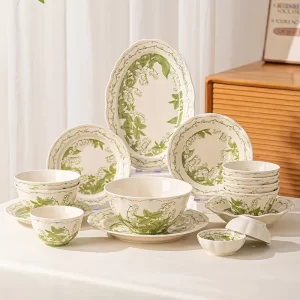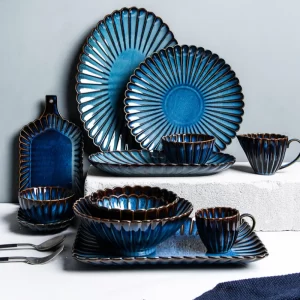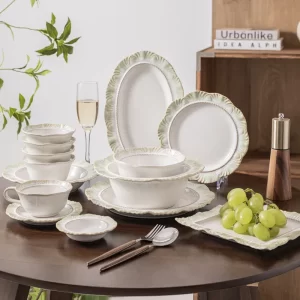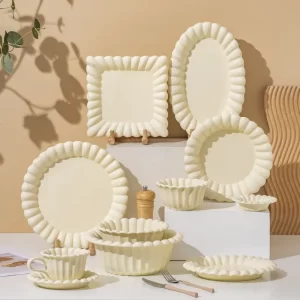
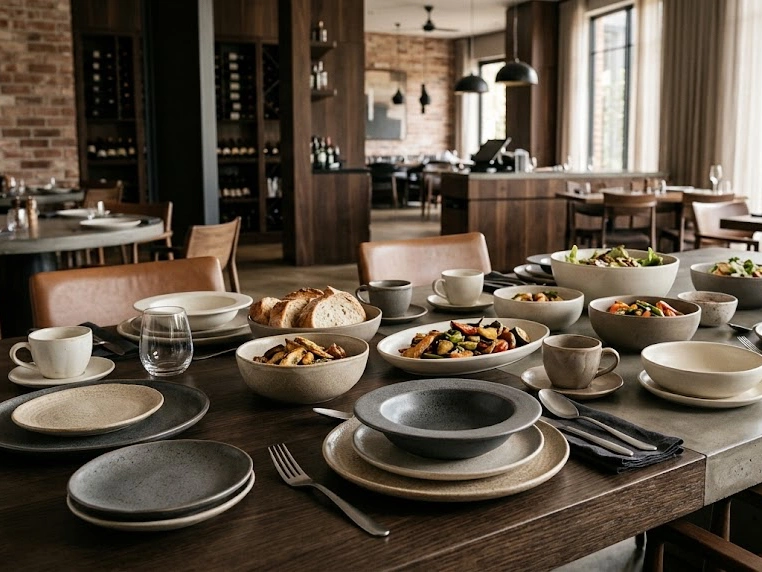
Restaurant groups with multiple locations should build ceramic tableware collections around standardization, durability, replenishment, operational needs, and brand consistency. A practical collection usually combines core tableware shared across locations with selected pieces for different concepts or menu requirements. Buyers should evaluate suppliers based on product consistency, repeat supply, customization, packaging, and production capacity.
Why Multi-Location Restaurant Groups Need a Different Tableware Strategy
Keramikgeschirr kaufen for one restaurant is very different from sourcing for a restaurant group.
A single restaurant can select products based mainly on its concept, menu, and interior design.
A restaurant group with multiple locations has additional requirements:
- Consistent table presentation
- Repeat purchasing
- Replacement pieces
- Standardized product specifications
- Stable supply
- Efficient purchasing
- Different restaurant concepts
This means a ceramic tableware collection for a restaurant group should be designed as a system rather than a collection of individual products.
Start With the Restaurant Group’s Core Requirements
Before selecting products, buyers should identify the common requirements across locations.
Consider:
Restaurant Concept
Are the locations:
- Casual dining
- Fine dining
- Café
- Bakery
- Hotel restaurant
- Fast casual
- Multiple concepts under one group?
Menu Requirements
The menu often determines the actual tableware requirements.
Zum Beispiel:
- Main courses need dinner plates
- Appetizers may need smaller plates
- Soups require bowls
- Pasta may require deeper plates
- Desserts may need smaller presentation pieces
- Shared dishes may require serving platters
The collection should therefore begin with operational requirements, not just aesthetics.


Build a Core Tableware System
The first layer should be products used across most or all locations.
A typical core ceramic tableware collection could include:
- Essteller
- Seitenplatten
- Suppenschalen
- Nudelschalen
- Dessertteller
- Becher
- Tassen
- Servierschalen
The exact assortment depends on the menu.
The purpose of the core range is to create consistency and simplify purchasing.
If the same dinner plate is used across multiple restaurants, the group can:
- Consolidate purchasing
- Simplify inventory
- Standardize staff operations
- Make replacements easier
- Maintain consistent presentation


Separate Core Products From Concept-Specific Products
Not every restaurant needs the same tableware.
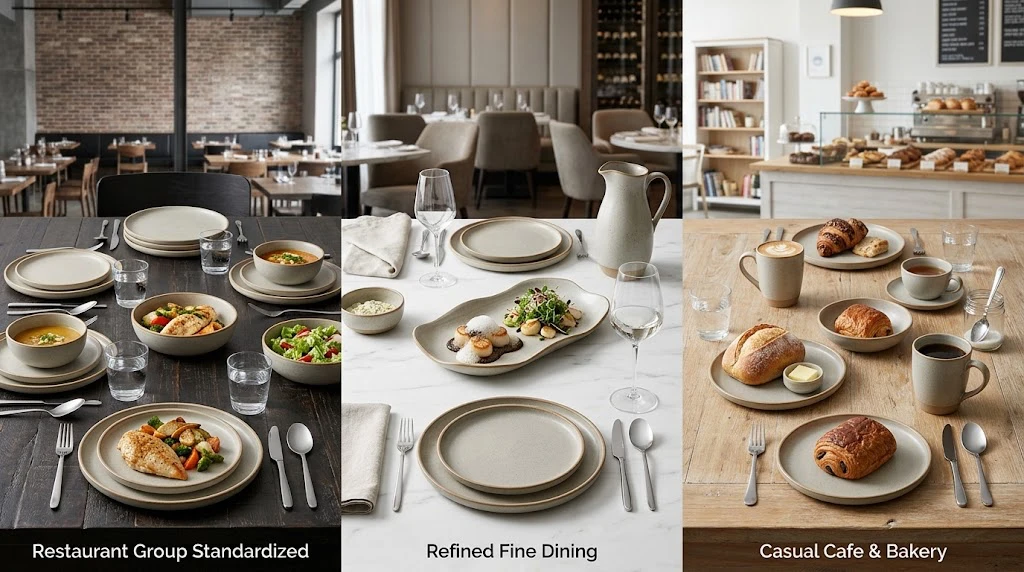
A group with several concepts can use:
Core Collection + Concept-Specific Collection
Zum Beispiel:
Group-Level Core
White or neutral plates, bowls, and cups used across multiple locations.
Feinschmecker
Special serving pieces or premium presentation plates.
Casual Dining
More durable and versatile everyday pieces.
Café
Smaller plates, mugs, cups, and bakery-oriented tableware.
This approach allows the group to maintain purchasing efficiency without forcing every restaurant into exactly the same visual identity.
Prioritize Durability for High-Volume Locations
For restaurant groups, appearance is important, but durability directly affects operating costs.
Buyers should consider:
- Daily usage frequency
- Dishwasher cycles
- Handling
- Stacking
- Chipping risk
- Replacement requirements
- Weight and storage
A beautiful product that is difficult to handle or replace may not be suitable for a high-volume restaurant.
When evaluating samples, buyers should consider how the products perform in actual restaurant operations rather than judging them only on a showroom table.
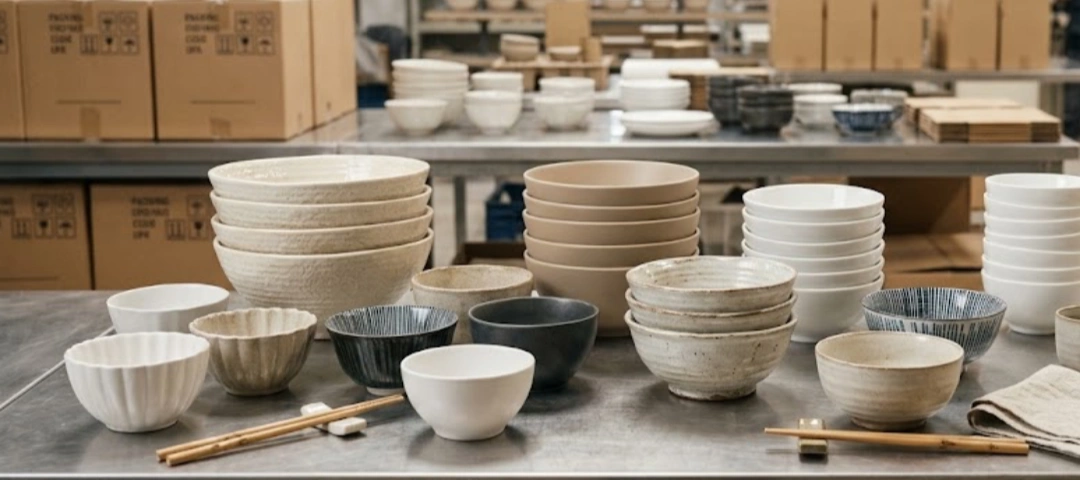
Design for Replacement
Breakage is unavoidable in commercial foodservice.
The important question is:
How easily can the restaurant replace the damaged pieces?
This makes product continuity a key supplier consideration.
Before placing an order, ask:
- Can the same design be reordered?
- Can the same size be maintained?
- Can colors and finishes remain consistent?
- Is the product regularly produced?
- Can individual pieces be ordered separately?
A restaurant group may use thousands of pieces across its locations. Replacement planning should therefore be considered from the beginning.
Standardize Specifications
A multi-location purchasing team should maintain clear product specifications.
For each core SKU, record:
- Product name
- Dimensions
- Gewicht
- Farbe
- Glaze or finish
- Verpackung
- Carton quantity
- Order quantity
- Supplier reference
- Customization details
This makes future purchasing much easier.
It also reduces the risk of accidentally ordering a visually similar but technically different product.
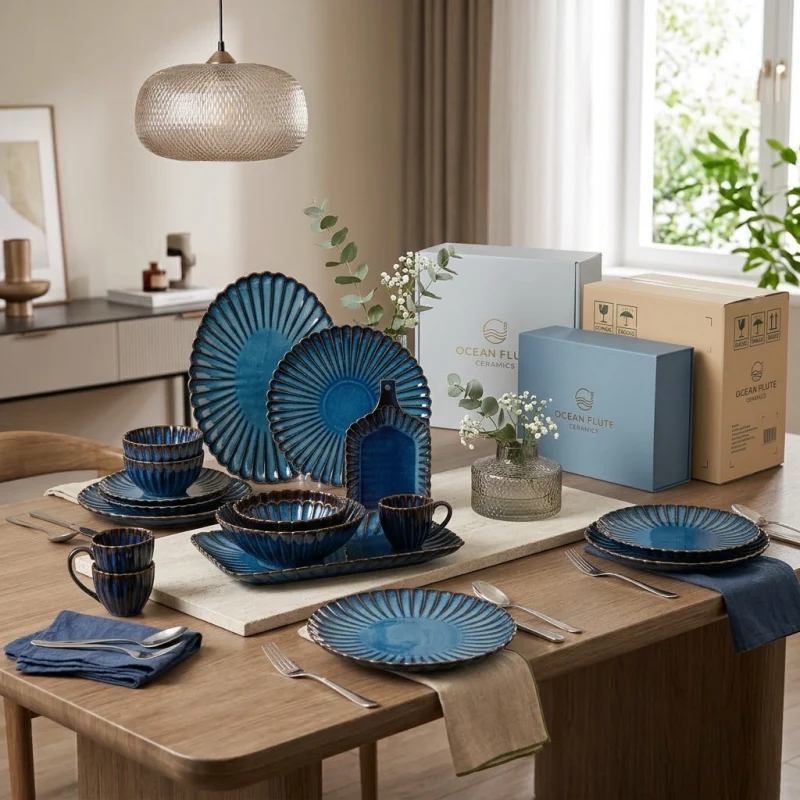
Use Customization to Strengthen Brand Identity
Restaurant groups may want their tableware to reflect their brand.
Personalisierung can be applied selectively.
Possible options include:
- Restaurant logo
- Benutzerdefinierte Farben
- Special surface finishes
- Branded packaging
- Selected decorative details
However, customization should be balanced against operational requirements.
For example, a restaurant group may not need a unique plate shape.
A standard ceramic plate with a custom logo or finish may deliver enough brand differentiation while making replacement and replenishment easier.
Consider Purchasing in Phases
A restaurant group does not necessarily need to source every product at once.
A phased approach can reduce purchasing risk.
Phase 1: Core Products
Select the high-volume plates, bowls, and cups.
Phase 2: Supporting Products
Add serving pieces and concept-specific products.
Phase 3: Expansion
Develop additional designs based on actual operational and customer feedback.
This approach is particularly useful when a restaurant group is opening new locations or updating an existing tableware system.
Evaluate the Supplier for Long-Term Supply
For multi-location buyers, supplier selection should go beyond sample quality.
A restaurant group should ask:
Can the Supplier Handle Repeat Orders?
Initial production is only part of the project.
Can the Supplier Maintain Product Consistency?
The second order should match the first closely enough for use in the same restaurant system.
Can the Supplier Support Different Quantities?
The group may need small replacement orders as well as large orders for new locations.
Can the Supplier Offer Flexible Sourcing?
Ready-made products can be useful for standard collections, while selected customization can create brand differentiation.
Can the Supplier Support Packaging Requirements?
Packaging needs may vary depending on warehouse and distribution arrangements.
How Yongjian Supports Restaurant Tableware Sourcing
Yongjian supplies ceramic tableware for B2B customers and offers a broad range of plates, bowls, cups, mugs, baking dishes, and related ceramic products.
For restaurant groups, this product breadth can make it easier to source multiple categories from one supplier.
Buyers can begin with suitable existing products and then discuss selected customization for projects that require stronger brand differentiation.
For larger or ongoing programs, the sourcing discussion should include:
- Core SKU selection
- Estimated annual demand
- Initial order quantity
- Replacement requirements
- Personalisierung
- Verpackung
- Delivery schedule
- Future location expansion
This gives the manufacturer a clearer understanding of the restaurant group’s actual purchasing plan.
A Restaurant Group Tableware Checklist
Before approving the collection, review:
- Products match the menu
- Core SKUs can be standardized
- Tableware is suitable for restaurant use
- Storage and stacking have been considered
- Replacement products can be sourced
- Product specifications are documented
- Customization requirements are clear
- MOQ fits the rollout plan
- Repeat-order capability has been discussed
- Supplier capacity is suitable for future locations
Final Takeaway
A successful ceramic tableware collection for restaurant groups needs to work both on the dining table and inside the purchasing system.
The best collection combines consistent design with practical specifications, manageable SKUs, reliable replenishment, and controlled customization.
For restaurant groups expanding across multiple locations, choosing a Hersteller von Keramikgeschirr that can support both initial orders and long-term repeat sourcing can make the collection easier to scale and maintain.