Excerpt: Learn how to manage ceramic tableware reordering, maintain consistent product collections, reduce purchasing risks, and keep popular dinnerware styles available for repeat orders.
For ceramic tableware retailers, the first order is only part of the purchasing process. Once a product becomes popular, maintaining its availability is just as important as introducing it to the market.
However, reordering ceramic tableware can bring several challenges. A glaze color may look slightly different between production batches, a popular design may become unavailable, or the original product specifications may not be clearly recorded. These differences can affect retail displays, customer expectations, and the consistency of an existing collection.
For retailers working with fabricantes de vajillas de cerámica, a reliable reordering process helps keep popular products available while reducing unnecessary changes to established collections.
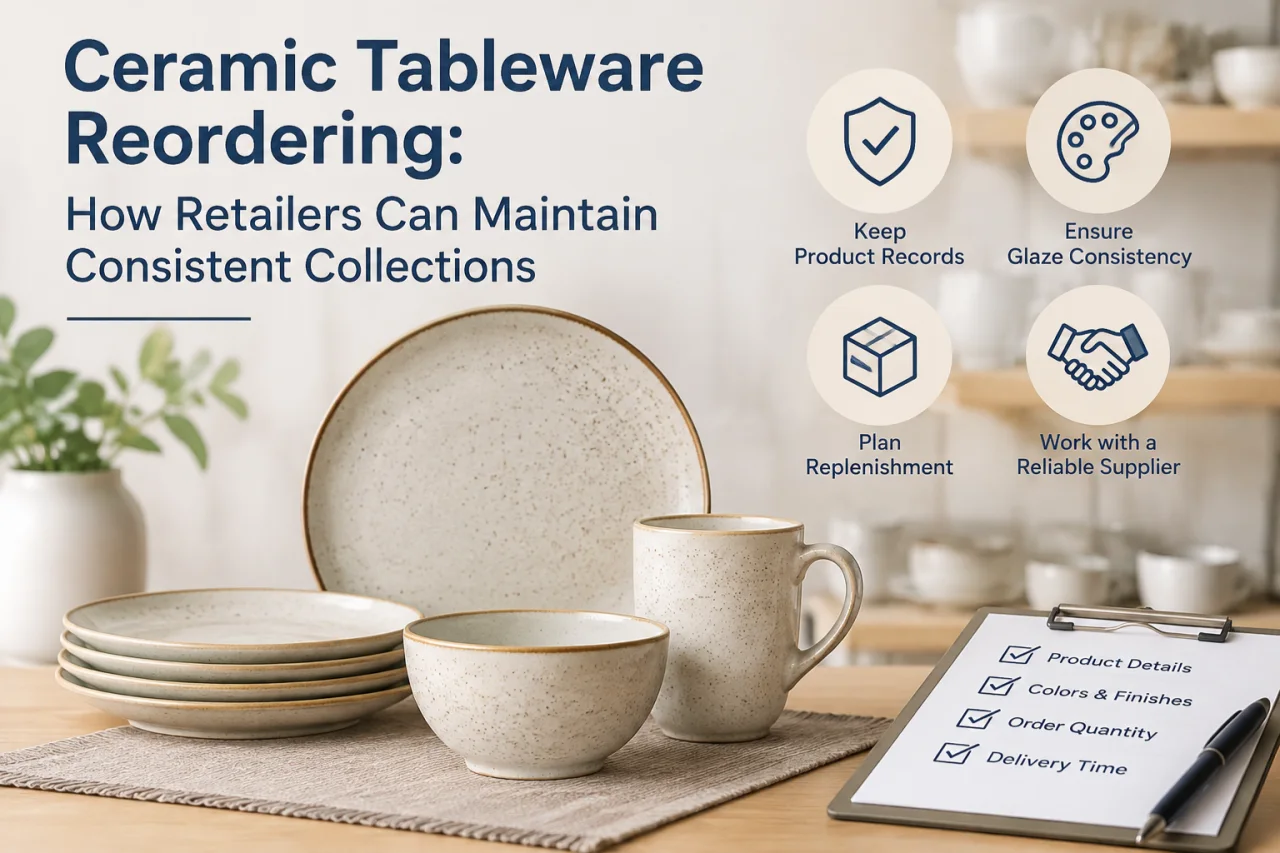
1. Keep Clear Records of Your Existing Ceramic Tableware
Accurate product information is the starting point for consistent reordering.
When placing repeat orders, retailers should avoid relying only on product names or previous purchase descriptions. Similar ceramic designs may have different sizes, glaze finishes, or product details.
Keep a record of:
- Product model numbers and reference images
- Product dimensions and material
- Glaze colors and surface finishes
- Order quantities and packaging requirements
- Previous samples or approved product references
These details help both the buyer and supplier identify the correct products when preparing a new order.
For retailers managing multiple dinnerware collections, organized product records also make it easier to compare sales performance and plan future replenishment.
2. Pay Attention to Glaze and Color Consistency
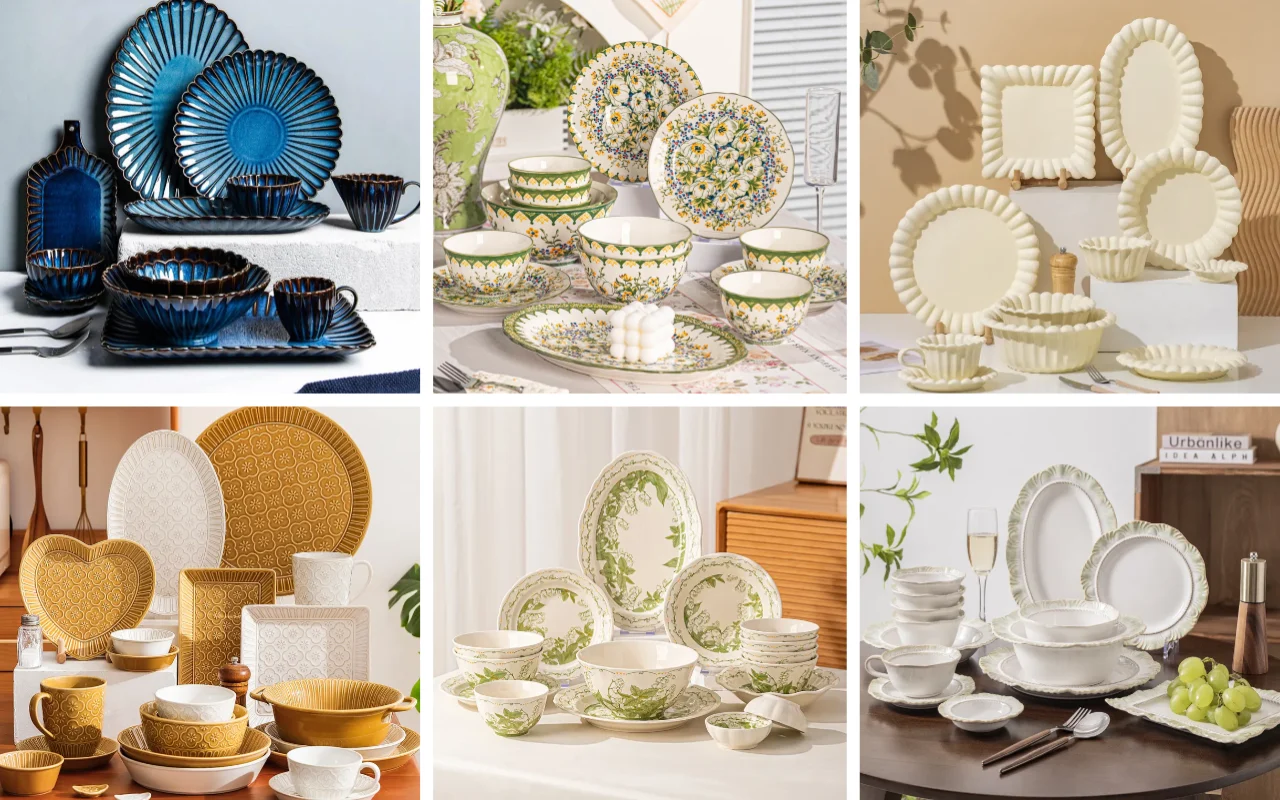
Ceramic products are made through processes that involve glaze application and firing. Depending on the glaze and production conditions, slight variations in color, texture, or finish may occur between batches.
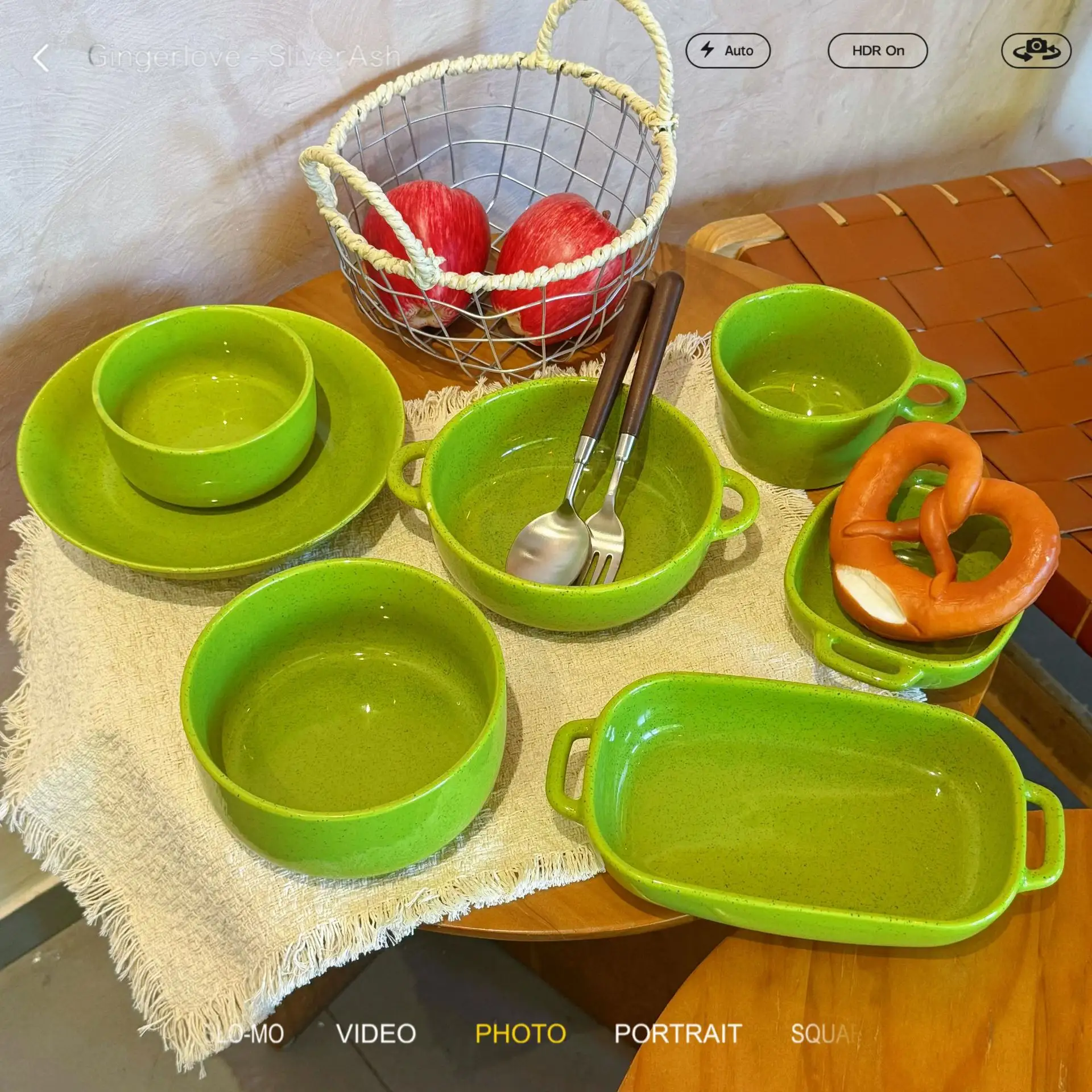
This is particularly important for retailers selling coordinated dinnerware sets. If plates, bowls, and serving pieces are displayed together, noticeable differences can affect the overall appearance of the collection.
To reduce inconsistencies:
- Confirm the original glaze and color reference before reordering.
- Keep approved product samples when possible.
- Communicate any specific appearance requirements to the supplier.
- Check whether the new order can follow the previous product specification.
For reactive glazes and other decorative finishes, buyers should understand that natural variations may be part of the product’s appearance. The acceptable range should be discussed before production rather than assumed to be identical across every batch.

3. Plan Reorders Around Sales Performance
Not every ceramic tableware design needs the same replenishment schedule.
Some products sell steadily throughout the year, while others are more seasonal or depend on changing homeware trends. Retailers can use sales data to decide which products need regular replenishment and which should be ordered in smaller quantities.
A practical approach is to divide products into three groups:
Best-selling products: Maintain sufficient inventory to support regular sales and avoid frequent stockouts.
Steady-selling products: Reorder according to actual sales performance and available inventory.
Slow-moving products: Review their performance before placing another large order.
This approach helps retailers allocate purchasing budgets more effectively instead of reordering every design at the same frequency.
It is also useful to discuss replenishment arrangements with a ceramic tableware supplier in advance, especially for products that contribute significantly to monthly sales.
4. Confirm Availability and Lead Time Before Reordering
A product that was available during the previous order may not always have the same availability later.
Retailers should confirm whether the selected design is still in stock, whether additional production is required, and whether any product details have changed.
Before placing a repeat order, check:
- Current product availability
- Cantidad mínima de pedido
- Whether the order requires new production
- Estimated production and delivery arrangements
- Packaging and shipping requirements
For retailers purchasing from suppliers with large product ranges, having access to existing designs can make replenishment easier. However, stock status and order arrangements should always be confirmed for the specific products.
5. Work with a Ceramic Tableware Supplier for Long-Term Reordering
A suitable supplier should do more than provide attractive products for the first order. Consistent product information, clear communication, and the ability to support repeat purchasing are also important.
Retailers can evaluate a supplier through several aspects:
- Product range: Can the supplier offer matching plates, bowls, cups, and serving pieces?
- Product identification: Are model numbers, dimensions, and finishes clearly recorded?
- Quality communication: Can product expectations and acceptable variations be discussed before ordering?
- Order flexibility: Are available stock products and minimum order quantities clearly explained?
- Personalización: Can the supplier discuss logo, packaging, or other product requirements when needed?
Building a stable purchasing relationship makes it easier to maintain a recognizable product range and respond to customer demand.

Maintain Your Ceramic Tableware Collection with Yongjian Ceramics
Cerámica Yongjian is a ceramic tableware manufacturer established in 1990, offering a wide selection of plates, bowls, cups, mugs, baking dishes, and other ceramic tableware.
With more than 10,000 stock products and customers in over 100 countries, Yongjian provides product options for retailers, wholesalers, and importers looking to source ceramic tableware in bulk.
Whether you are replenishing popular dinnerware designs or looking for matching products to support an existing collection, you can explore Yongjian’s product range and discuss availability, MOQ, and order requirements with the sales team.
Looking for a reliable source for repeat ceramic tableware orders?
Contact Yongjian Ceramics to discuss your product selection and replenishment needs.
-

Molde Cerámico Redondo de 10 Pulgadas al por Mayor con Borde Acanalado
-

Ramequines de Cerámica de 3.6 pulgadas al por mayor, Tazas para Soufflé para Horno Suministro
-

Platos para hornear al por mayor de 5,5 pulgadas, Molde de cerámica para tarta para restaurantes
-
Venta al por mayor de vajilla de cerámica verde de 7 piezas, apta para microondas