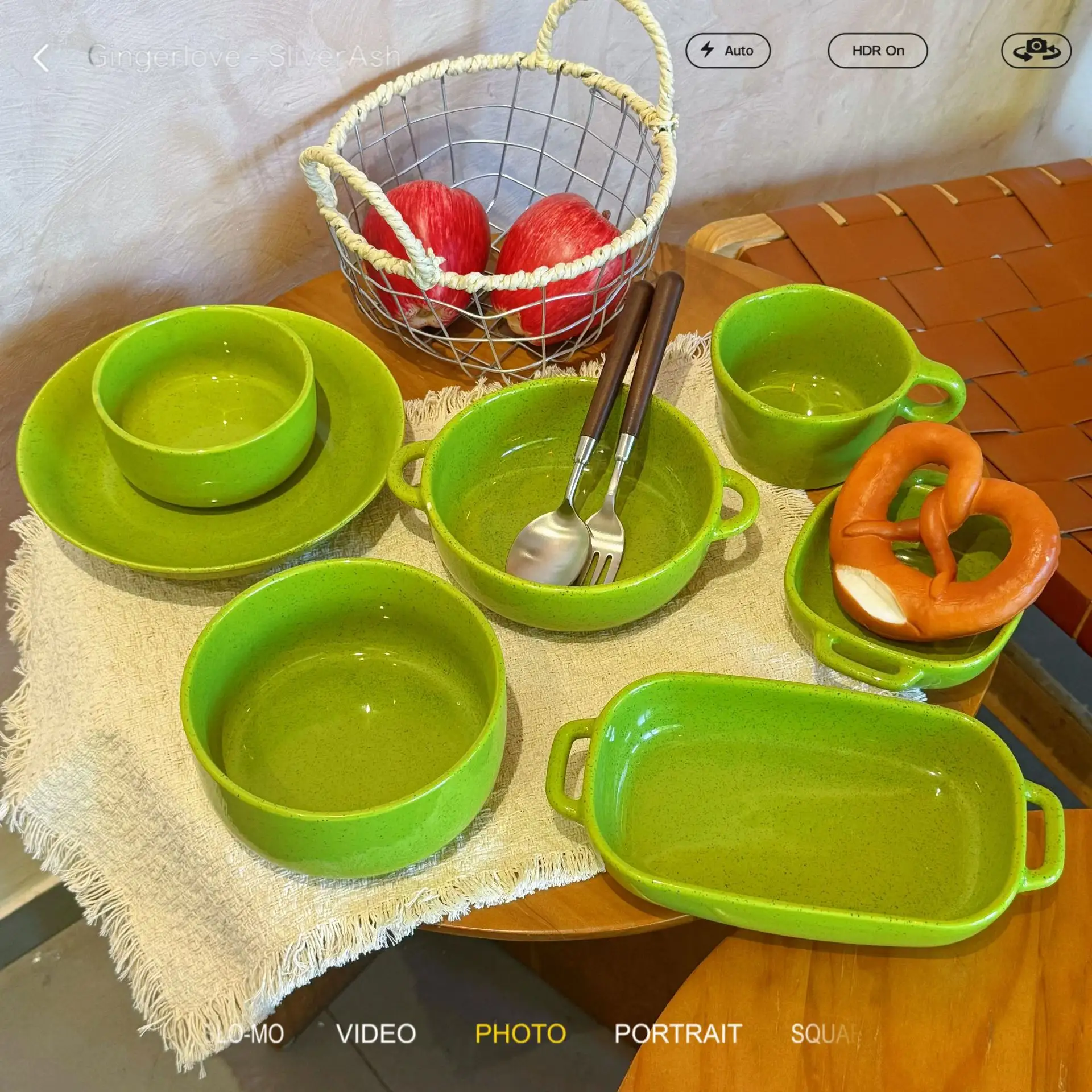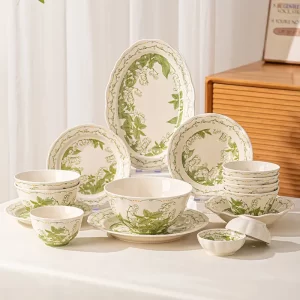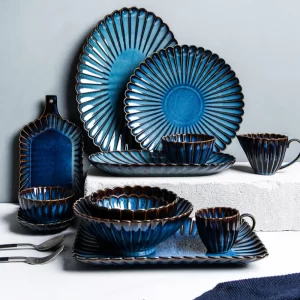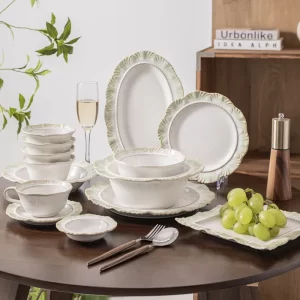
In the foodservice industry, while menu design, ambiance, and service quality are crucial, the strategic mix of restaurant tableware is often overlooked. For restaurant operators, hotel procurement managers, chain brands, and tableware importers, ceramic tableware does more than just shape a customer’s first impression; it directly impacts operating costs, inventory management, brand image, and the overall dining experience.
Many buyers face a common dilemma when selecting ceramic tableware: Should they stock more plates or bowls? Is there a standard ratio for different types of restaurants? Which sizes are the most practical? How can one balance budget constraints with the need for menu updates and future expansion?
In reality, there is no “one-size-fits-all” answer. A truly effective restaurant tableware configuration requires a holistic approach that considers the restaurant’s positioning, menu composition, service style, and procurement budget. This article provides a comprehensive guide to balancing ceramic plates and bowls, offering professional purchasing advice to help you build a tableware collection that is both efficient and commercially valuable.
Why the Tableware Mix Matters More Than Individual Product Choices
When making initial purchases, many buyers focus primarily on unit prices—such as seeking the lowest rates for wholesale ceramic plates or wholesale ceramic bowls. However, for long-term operations, the overall logic and functionality of the restaurant tableware system are far more important.
A tableware set comprises more than just various sizes of plates and bowls; it requires consideration of:
- Food plating styles
- Kitchen preparation efficiency
- Service workflows
- Storage space
- Ease of restocking
- Brand visual consistency
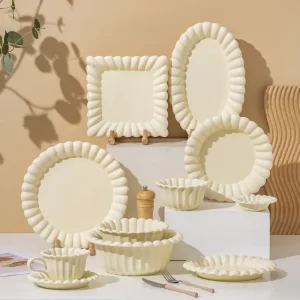
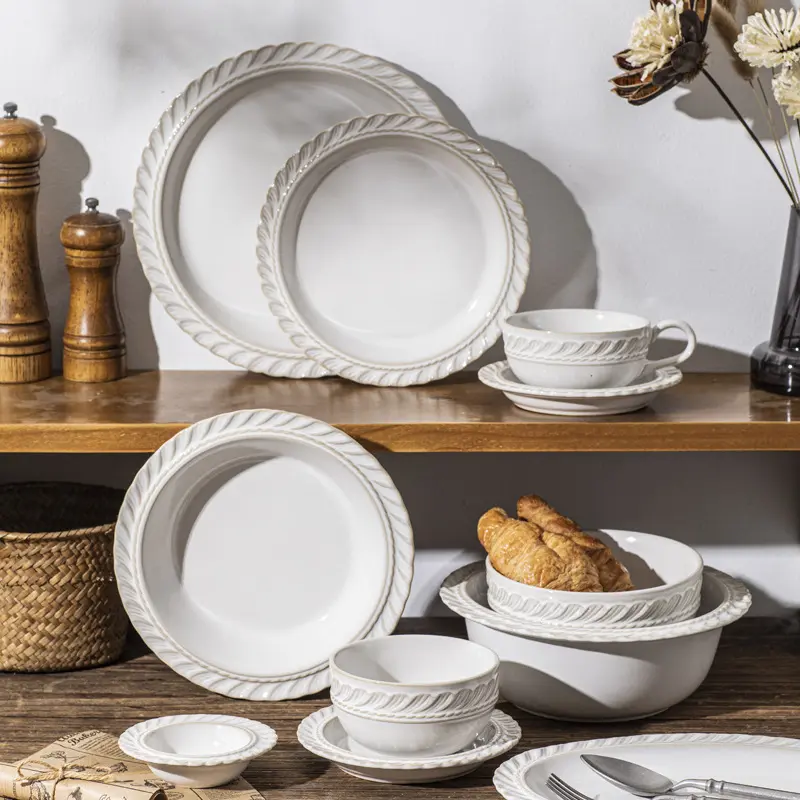
For instance, a Western-style restaurant where over 70% of main courses are served on flat plates would naturally require a higher proportion of plates. Conversely, an Asian restaurant serving large quantities of noodles, soups, and rice dishes would require a significantly higher ratio of bowls. Established restaurant brands typically do not source just a single size; instead, they build a comprehensive restaurant tableware system that includes:
- Dinner Plate
- Salad Plate
- Dessert Plate
- Soup Bowl
- Rice Bowl
- Pasta Bowl
- Serving Bowl

This combination not only meets diverse menu requirements but also creates a cohesive visual aesthetic on the table, thereby enhancing brand recognition.


Which Restaurants Are Best Suited for Ceramic Plates vs. Ceramic Bowls?
While both ceramic plates and bowls are fundamental tableware items, they serve distinct functions.
Advantages of Ceramic Plates
For restaurants serving steak, pizza, Western cuisine, breakfast, desserts, or shared dishes, wholesale ceramic plates are usually a key procurement priority.
Ceramic plates offer the following advantages:
- Showcasing the layering and depth of dishes
- Facilitating creative food presentation
- Ideal for promotional photography
- Enhancing the visual appeal of high-end dining establishments
For example:
A boutique café might require:
- 8-inch breakfast plates
- 10-inch main course plates
- 6-inch dessert plates
These three sizes alone can cover the majority of the menu.


Advantages of Ceramic Bowls
For Asian cuisine, ramen shops, hot pot restaurants, fast-food chains, and health-conscious eateries, wholesale ceramic bowls are often more critical.
Ceramic bowls are suitable for serving:
- Soups
- Salads
- Rice dishes
- Noodles
- Stews
- Poké bowls


In recent years, an increasing number of Western-style restaurants have also begun incorporating large-capacity bowls for salads, pasta, and healthy meals, driving continued global demand for ceramic bowls.
If more than 40% of the items on your menu require a vessel for liquids or mixed ingredients, it makes sense to increase the proportion of bowls in your inventory.
How to Plan the Ratio of Restaurant Tableware Based on Restaurant Type?
Different types of restaurants have vastly different needs when it comes to restaurant tableware. The following are common reference ratios used in the industry:
| Restaurant Type | Plates | Bowls |
|---|---|---|
| Western Restaurant | 70% | 30% |
| Asian Restaurant | 40% | 60% |
| Café | 75% | 25% |
| Buffet Restaurant | 60% | 40% |
| Hotel Restaurant | 55% | 45% |
| Fast Food Chain | 50% | 50% |
Of course, these are not fixed standards.
For example:
A fusion restaurant might serve:
- Steaks
- Pasta
- Salads
- Japanese-style rice bowls (donburi)
- Soups
In this case, a combination of various plate and bowl specifications is required, rather than simply increasing the quantity of one specific type of item.
Purchasing agents are advised to first inventory the specific tableware required for each menu item before determining the overall purchasing ratio; this approach is more scientific than relying solely on experience.
What factors should be considered when purchasing restaurant tableware wholesale?
When sourcing wholesale ceramic plates and wholesale ceramic bowls, many importers focus exclusively on price while overlooking long-term operational costs.
In reality, the following factors are more important:
1. Product Consistency
Products within the same batch should ensure:
- Consistent color
- Consistent dimensions
- Consistent glaze finish
- Minimal weight variation
This is particularly important for restaurant chains.
2. Durability
High-quality ceramics should be:
- Heat-resistant
- Dishwasher-safe
- Microwave-safe
- Scratch-resistant
- Resistant to edge chipping
Although durable products may have a slightly higher initial purchase price, the long-term cost of ownership is actually lower.
3. Stock Replenishment Capability
Tableware breakage is inevitable during restaurant operations.
Therefore, a supplier’s ability to consistently provide the same product models is crucial.
Reliable supply capabilities prevent color variations between batches, ensuring consistency across the entire restaurant tableware collection.

4. Customization Capability
An increasing number of dining brands wish to create a unique brand image. For example:
- Logo printing
- Custom colors
- Reactive glaze
- Matte glaze
- Special rim designs
- Exclusive packaging
Manufacturers with OEM/ODM capabilities can help brands build greater recognition.

How to Choose the Right Ceramic Tableware Manufacturer?
Beyond the product itself, a supplier’s capabilities determine the quality of the procurement experience.
An excellent ceramic tableware manufacturer typically offers the following advantages:
- Extensive export experience
- Robust quality control systems
- Diverse product ranges
- Rapid sample development
- OEM/ODM services
- Flexible production capabilities
Importers are advised to select suppliers capable of providing wholesale ceramic plates, wholesale ceramic bowls, and complete restaurant tableware collections.
This approach not only reduces supply chain management costs but also ensures consistency in color, size, and design style across the entire product line, thereby enhancing the brand image.
Furthermore, as market demands shift, more buyers prefer flexible procurement methods over stockpiling large quantities at once. Manufacturers that support lower minimum order quantities (MOQs) and offer flexible order scheduling based on product type can help clients reduce inventory pressure, test new products faster, and improve capital turnover efficiency.
Conclusion
Curating the right restaurant tableware affects not only a restaurant’s visual appeal but also directly impacts customer experience, operational efficiency, and procurement costs. Rather than simply comparing prices, creating a tableware collection that aligns with the restaurant’s positioning, menu structure, and brand style creates greater long-term value.
Buyers should prioritize analyzing their menu structure before determining the procurement ratio of wholesale ceramic plates to wholesale ceramic bowls, while also considering product durability, restocking reliability, and the supplier’s customization capabilities. Partnering with an experienced manufacturer that offers a comprehensive product line and flexible cooperation terms will enable restaurants to respond quickly to market changes and implement more efficient, competitive procurement strategies. —
Why Choose Yongjian Ceramics?
Established in 1990, Yongjian Ceramics is a professional manufacturer specializing in the R&D, production, and wholesale of ceramic tableware. Our product range includes plates, bowls, mugs, baking dishes, spoons, and more, offering one-stop procurement solutions for global dining brands, importers, wholesalers, and retailers.
With over 30 years of manufacturing experience, Yongjian Ceramics possesses robust OEM/ODM capabilities. We offer extensive customization options—including color, glaze, size, logo, and packaging—to help clients create their own exclusive brand collections. We also provide a wide array of existing product styles to support flexible purchasing models. Minimum Order Quantities (MOQs) vary by product model; please contact our sales team for specific MOQ details and product proposals. This flexibility allows clients to place orders based on market demand, effectively reducing inventory pressure and procurement risks.

FAQ
1. How often should restaurant tableware be updated?
We recommend evaluating your tableware collection every 2–3 years, depending on your restaurant’s operations. However, updates may be made sooner—such as during brand rebranding, menu adjustments, or in cases of high breakage—to maintain a consistent brand image.
2. Can I mix wholesale ceramic plates and bowls in a single order?
Yes. Most professional manufacturers support mixed-product orders. Specific ratios can be planned based on your menu structure, order volume, and product series.
3. How do I determine the right tableware sizes for my restaurant?
We recommend analyzing the plating requirements of your signature dishes before selecting sizes. Common combinations include 10–11 inch dinner plates, 8-inch salad plates, 6-inch dessert plates, and bowls ranging from 5 to 8 inches in capacity; these cover the needs of most restaurant settings.
4. Does Yongjian Ceramics accept small-batch orders?
We support flexible purchasing options. MOQs vary by product; please contact the Yongjian Ceramics sales team, and we will provide suitable MOQ proposals and price quotes based on your specific products and purchasing needs.