
The Middle East hospitality and foodservice market has experienced rapid growth in recent years. From luxury hotels and fine dining restaurants to café chains and homeware retailers, the demand for high-quality ceramic tableware continues to increase. For importers, wholesalers, and distributors, choosing the right supplier for Ceramic Dinnerware Wholesale is essential for maintaining product quality, controlling costs, and meeting market preferences.
Middle East buyers often look for ceramic dinnerware that combines elegant design, durability, and practical functionality. Products must also adapt to local dining habits, hospitality standards, and cultural preferences. In addition, reliable shipping, flexible MOQ policies, and customization capabilities are becoming increasingly important in global sourcing.
This guide explores key factors Middle East buyers should consider when purchasing ceramic dinnerware wholesale, including product trends, material quality, customization options, packaging requirements, and supplier selection strategies. Whether you are a distributor, hotel supplier, or retail brand, this article will help you make more informed sourcing decisions.
Why Ceramic Dinnerware Wholesale Is Growing in the Middle East
The Middle East market has become one of the fastest-growing regions for imported ceramic tableware. Countries such as the UAE, Saudi Arabia, Qatar, and Kuwait have strong hospitality industries driven by tourism, luxury dining, and international business events.
Expanding Hospitality Industry
Large-scale hotel projects and restaurant chains are increasing the demand for premium ceramic dinnerware. Many hotels prefer ceramic products because they provide a luxurious appearance while remaining durable for daily commercial use.
For example:
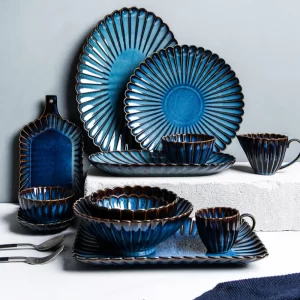
- Fine dining restaurants prefer reactive glaze ceramic plates for artistic presentation.
- Café chains often use matte ceramic mugs and bowls for modern aesthetics.
- Hotels usually require full ceramic dinnerware collections with unified designs.
Because of this trend, Ceramic Dinnerware Wholesale orders from Middle East buyers are increasingly focused on both design consistency and long-term durability.
Growing Demand for Premium Home Dining
The rise of social media food culture has also influenced home dining trends. Consumers in the Middle East are more willing to invest in stylish ceramic tableware for family gatherings and entertaining guests.
Popular styles include:
- Matte black ceramic dinnerware
- Reactive glaze collections
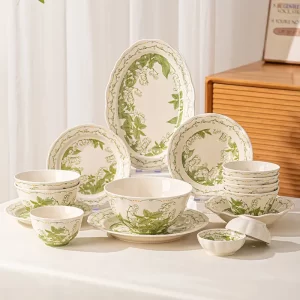
- Handmade-look ceramic plates
- Arabic-inspired patterns
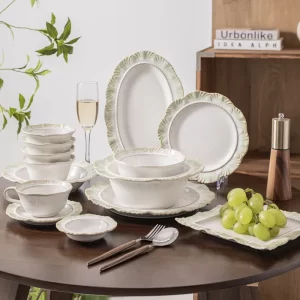
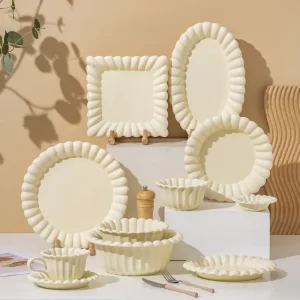
- Neutral minimalist designs
Wholesale buyers who understand these trends can better select products that match local consumer preferences.

Key Quality Standards for Ceramic Dinnerware Wholesale
Quality control is one of the most important factors in ceramic tableware sourcing. Middle East buyers usually prioritize durability, food safety, and heat resistance when selecting suppliers.
Food Safety Certifications
Ceramic dinnerware must comply with international food-contact safety standards. Buyers should confirm whether the supplier can provide relevant testing reports for:
- Lead and cadmium release
- FDA compliance
- LFGB testing
- Dishwasher safety
- Microwave safety
Reliable manufacturers perform strict quality inspections during production to ensure products meet export requirements.

Thermal Shock Resistance
Middle East restaurants often serve hot dishes, soups, and baked foods. Ceramic dinnerware should withstand temperature changes without cracking.
High-quality ceramic tableware usually undergoes thermal shock testing to ensure stability under commercial kitchen conditions.
Water Absorption Rate
Low water absorption improves product durability and hygiene performance. Porcelain and stoneware with low absorption rates are generally preferred for hotel and restaurant use.
When discussing Ceramic Dinnerware Wholesale orders, buyers should ask suppliers about:
- Firing temperature
- Glaze quality
- Chip resistance
- Scratch resistance
- Stackability
These factors directly affect long-term product performance and replacement costs.
Popular Ceramic Dinnerware Styles in the Middle East Market
Understanding local design trends helps wholesalers and importers choose the right collections for their customers.
Reactive Glaze Dinnerware
Reactive glaze ceramics have become highly popular because each piece features unique color variations and handcrafted aesthetics. These products are widely used in restaurants and boutique hotels.
Common colors include:
- Deep blue
- Emerald green
- Sand beige
- Matte black
- Earth tones
Minimalist Matte Collections
Modern restaurants in Dubai and Riyadh increasingly prefer minimalist ceramic tableware with matte finishes. These products create elegant food presentation while matching contemporary interior designs.
Arabic-Inspired Patterns
Traditional geometric patterns and gold-rim ceramic collections remain popular in luxury hospitality environments and festive dining occasions.
Baking Dishes and Serving Ware
In addition to plates and bowls, Middle East buyers often source:
- Ceramic baking dishes
- Oven-safe casserole dishes
- Serving platters
- Soup bowls
- Ceramic condiment sets
Suppliers offering complete product categories can help buyers simplify procurement and maintain consistent product styles.


How to Choose the Right Ceramic Dinnerware Wholesale Supplier
Selecting the right supplier is critical for reducing sourcing risks and ensuring stable product quality.
Manufacturing Experience
Experienced ceramic manufacturers usually have stronger production management systems and better export knowledge.
Buyers should evaluate:
- Factory establishment history
- Production capacity
- Export experience
- Quality control processes
- OEM & ODM capabilities
Manufacturers with decades of experience are often more reliable in handling large wholesale orders and customization projects.
Customization Capabilities
Customization has become increasingly important in the Middle East hospitality market. Restaurants and hotel brands frequently request:
- Custom logos
- Unique glaze colors
- Exclusive shapes
- Packaging customization
- Seasonal collections
A professional Ceramic Dinnerware Wholesale supplier should offer flexible customization solutions while maintaining stable product quality.
Flexible MOQ Policies
Many importers prefer suppliers with lower minimum order quantities because it reduces inventory pressure and allows market testing.
Flexible MOQ policies are especially useful for:
- New product launches
- Small retail brands
- Trial market orders
- Mixed container sourcing
Buyers should communicate MOQ requirements clearly during early negotiations.
Shipping and Packaging Experience
Ceramic products require strong export packaging to reduce breakage during international transportation.
Good suppliers usually provide:
- Drop-test packaging
- Reinforced carton protection
- Customized barcode labels
- Pallet packaging
- Container loading optimization
Efficient packaging reduces logistics damage and improves customer satisfaction.
Tips for Reducing Risks in Ceramic Dinnerware Wholesale Purchasing
International sourcing always involves potential risks. Buyers can reduce problems through careful planning and supplier evaluation.
Request Samples Before Mass Production
Product samples help buyers evaluate:
- Color consistency
- Product weight
- Surface finishing
- Packaging quality
- Actual craftsmanship
It is recommended to test products in real usage environments before confirming bulk orders.
Confirm Production Lead Time
Production schedules may vary depending on seasonal demand and order quantity. Buyers should confirm:
- Sample lead time
- Mass production timeline
- Shipping schedule
- Peak season delays
Clear communication helps avoid delivery problems.
Use Third-Party Inspections
Many professional importers arrange pre-shipment inspections to verify product quality before loading containers.
Inspection checks often include:
- Quantity verification
- Appearance inspection
- Packaging inspection
- Drop testing
- Barcode accuracy
Build Long-Term Supplier Partnerships
Stable partnerships often lead to:
- Better pricing
- Priority production scheduling
- Faster communication
- More customization support
- Improved consistency
Long-term cooperation is especially valuable for growing ceramic dinnerware wholesale businesses.
Future Trends in Ceramic Dinnerware Wholesale
The ceramic tableware industry continues evolving alongside global hospitality and lifestyle trends.
Sustainable Production
More buyers are paying attention to environmentally friendly manufacturing processes, including:
- Energy-saving kilns
- Recyclable packaging
- Eco-friendly glaze materials
- Sustainable raw materials
Multi-Functional Tableware
Restaurants increasingly prefer ceramic products that work for multiple serving purposes. Stackable and oven-safe designs are becoming more popular.
Social Media Driven Design
Visual presentation plays a major role in restaurant branding. Unique ceramic dinnerware designs can improve food photography and customer engagement online.
As a result, creative and customizable ceramic collections will continue driving demand in the Middle East market.
Conclusion
The Middle East market offers strong opportunities for importers and distributors involved in Ceramic Dinnerware Wholesale. Growing hospitality investments, premium dining trends, and rising demand for stylish home tableware continue driving market expansion.
For buyers, success depends on selecting reliable ceramic manufacturers with strong quality control systems, flexible customization capabilities, and export experience. Product durability, food safety compliance, packaging quality, and design trends should all be carefully evaluated during sourcing.
By understanding local market preferences and building stable supplier partnerships, wholesalers can improve competitiveness while reducing procurement risks. Choosing the right ceramic dinnerware supplier is not only about price—it is about long-term quality, flexibility, and reliable cooperation.
About Yongjian Ceramics
Yongjian Ceramics is a professional ceramic tableware manufacturer established in 1990, specializing in the production and wholesale of ceramic dinnerware products including ceramic plates, ceramic bowls, ceramic mugs, ceramic baking dishes, ceramic spoons, and more. With decades of manufacturing experience, Yongjian provides OEM and ODM customization services for global buyers, restaurants, hotels, and distributors.
Yongjian Ceramics has extensive experience in customized ceramic tableware production, offering various glaze finishes, shapes, colors, and packaging solutions. The company focuses on product quality, export standards, and stable supply capabilities for international markets.
In addition, Yongjian supports flexible ordering solutions with relatively low minimum order quantities, allowing buyers to place orders more conveniently according to their business needs. The minimum order quantity depends on the specific product type, and buyers are welcome to contact the sales team for detailed information.